
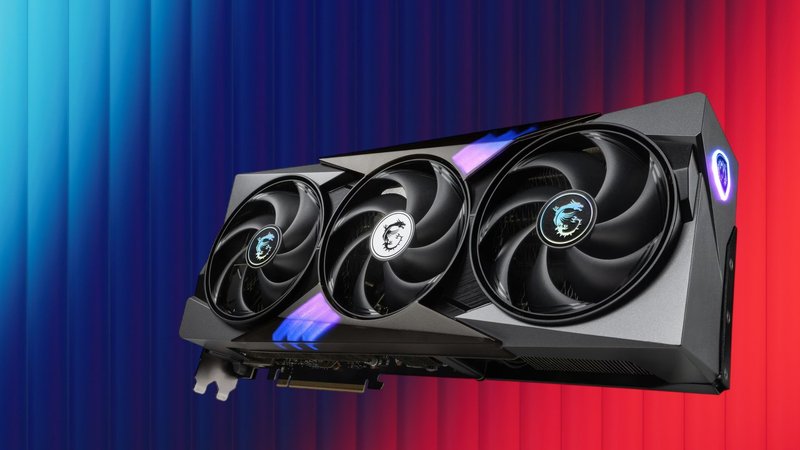
The news is not technical but commercial: AMD's CEO has defined the company as 'data center first'. For anyone tracking the GPU market, that phrase sounds like a verdict. It is not entirely new, but hearing it from the company itself changes the picture: demand for data center accelerators absorbs production capacity and leaves the consumer market at the back of the queue.
Where the silicon goes
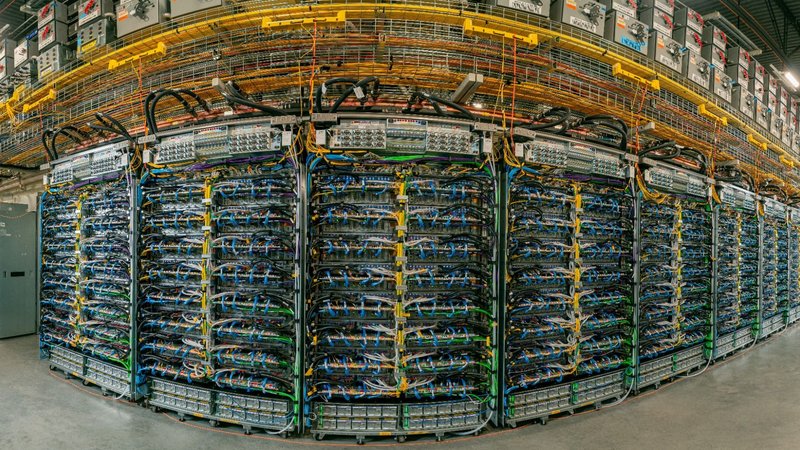
Semiconductor makers have long been steering wafers, advanced packaging, and VRAM toward server cards, because margins are higher and enterprise contracts are more stable. The AMD CEO's statement adds no numbers or roadmap, but it formalizes a hierarchy: data centers first, everything else later. That does not mean desktop GPUs will disappear, but volumes and prices will not return to the levels many had grown used to.
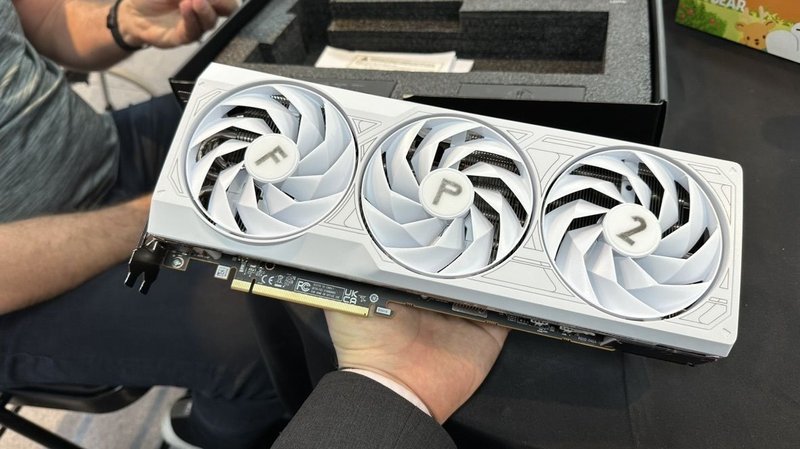
For teams building local stacks for LLMs, the message carries specific weight. Consumer GPUs have long been the entry point for self-hosted inference without investing in server hardware. But if the vendor says data centers come first, the availability of desktop cards with enough VRAM becomes less certain. Many LLMs require quantization to fit into limited video memory; without enough VRAM, throughput in tokens per second collapses. The result is that the TCO of a small on-premise cluster changes: you can no longer just compare the list price of a card, you must factor in wait times, secondary-market prices, and hardware lifespan.
The hidden cost of self-hosted
The announcement also reveals a customer hierarchy: hyperscalers, cloud providers, and large enterprises with their own data centers move to the front. Teams that want to keep data on premises and run inference on their own hardware find themselves competing with buyers that purchase at much higher volumes. In sovereignty terms, this is not a technology problem but a hardware access problem: if available GPUs are mostly tied up in expensive server configurations or enterprise contracts, the cost of a fully local infrastructure rises, and planning must start from different assumptions.
AI-RADAR offers analytical frameworks at /llm-onpremise to weigh these trade-offs between cost, control, and hardware availability, without shortcuts. The question that remains, for anyone assembling an AI lab, is not whether AMD will still make consumer GPUs, but how long the retail channel can guarantee prices and volumes compatible with an on-premise project.





💬 Comments (0)
🔒 Log in or register to comment on articles.
No comments yet. Be the first to comment!