HCL-Foxconn e CTCI Avviano un Progetto OSAT in India
La joint venture formata da HCL e Foxconn ha annunciato un'importante collaborazione con CTCI, un'azienda taiwanese specializzata in ingegneria e costruzioni. L'obiettivo è la realizzazione di un nuovo impianto OSAT (Outsourced Semiconductor Assembly and Test) in India, segnando un passo significativo per il panorama tecnicico del paese e per la filiera globale dei semiconduttori.
Questa mossa strategica sottolinea l'impegno delle due aziende nel rafforzare la capacità produttiva di chip al di fuori dei centri tradizionali. L'India si posiziona così come un attore sempre più rilevante nella catena di valore dei semiconduttori, un settore critico per l'innovazione tecnicica e per la disponibilità di hardware essenziale per carichi di lavoro complessi, come quelli legati agli LLM e all'intelligenza artificiale.
Il Ruolo Strategico degli Impianti OSAT nella Filiera dei Semiconduttori
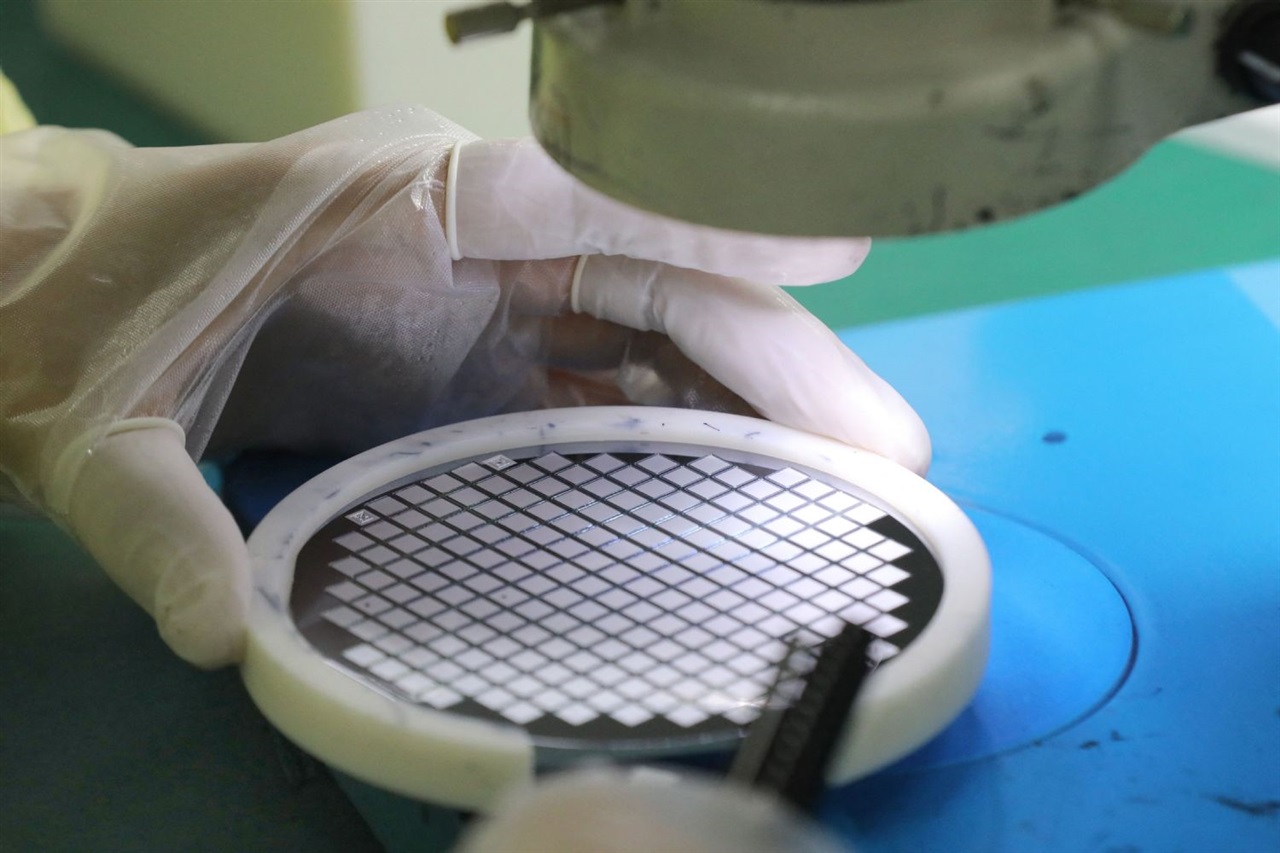
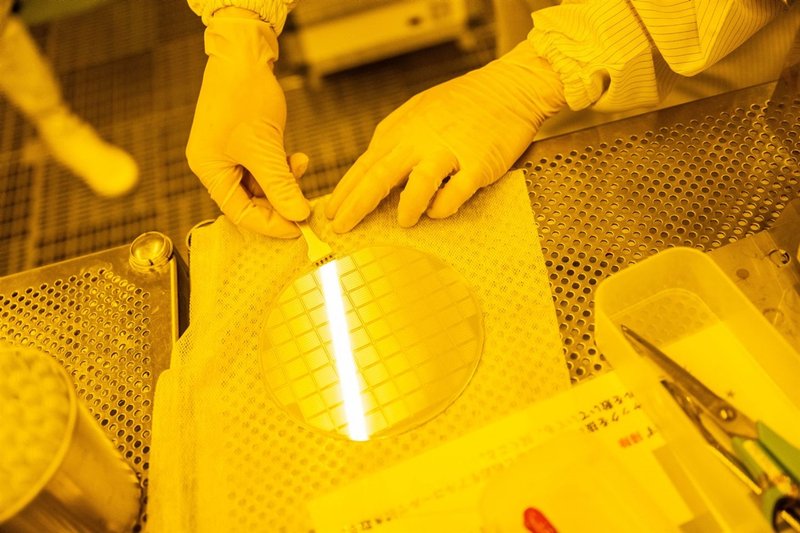
Gli impianti OSAT svolgono una funzione indispensabile nella produzione di semiconduttori. Dopo che i wafer di silicio sono stati fabbricati nelle fonderie (fab), devono essere assemblati, incapsulati e testati per trasformarsi in chip utilizzabili. Questo processo include il taglio dei wafer in singoli die, il loro collegamento a un substrato, l'incapsulamento per protezione e, infine, una serie di test rigorosi per garantirne la funzionalità e l'affidabilità. Senza questi passaggi, i chip non potrebbero essere integrati in dispositivi elettronici o schede madri.
La qualità e l'efficienza delle operazioni OSAT sono fondamentali per le prestazioni finali dei componenti, inclusi i processori e le GPU che alimentano i sistemi di intelligenza artificiale. Un impianto OSAT all'avanguardia può contribuire a ridurre i tempi di produzione e a migliorare la resa, aspetti cruciali per soddisfare la domanda crescente di hardware AI, che richiede spesso specifiche elevate in termini di VRAM, throughput e capacità di calcolo.
Implicazioni per la Supply Chain e i Deployment On-Premise
La costruzione di un nuovo impianto OSAT in India ha profonde implicazioni per la diversificazione della supply chain globale dei semiconduttori. La concentrazione della produzione in poche aree geografiche ha evidenziato vulnerabilità in passato, rendendo essenziale la creazione di nuove capacità produttive in regioni diverse. Questa iniziativa contribuisce a mitigare i rischi e a garantire una maggiore resilienza nella fornitura di componenti critici.
Per le aziende che valutano deployment di LLM e carichi di lavoro AI on-premise, la disponibilità e la stabilità della supply chain hardware sono fattori determinanti. Un accesso più affidabile e diversificato ai chip può influenzare direttamente il TCO (Total Cost of Ownership) delle infrastrutture self-hosted, riducendo i tempi di attesa e i costi logistici. Inoltre, la sovranità dei dati e il controllo sull'infrastruttura sono spesso prioritari per le organizzazioni, e la disponibilità di hardware locale supporta queste esigenze, specialmente in contesti che richiedono ambienti air-gapped o conformità normativa stringente. Per chi valuta deployment on-premise, AI-RADAR offre framework analitici su /llm-onpremise per valutare i trade-off tra diverse architetture e forniture hardware.
Prospettive Future e Contesto Globale
L'investimento di HCL e Foxconn, con il supporto di CTCI, si inserisce in un trend globale di espansione e decentralizzazione della produzione di semiconduttori. Molti paesi stanno cercando di rafforzare le proprie capacità manifatturiere per ridurre la dipendenza da singole regioni e per stimolare l'innovazione interna. L'India, con il suo vasto mercato e la sua crescente base di talenti tecnici, è ben posizionata per diventare un hub significativo in questo settore.
Questo progetto non solo promette di creare nuove opportunità economiche e posti di lavoro qualificati in India, ma contribuisce anche a stabilizzare la fornitura globale di componenti essenziali per l'avanzamento dell'intelligenza artificiale. La capacità di produrre, assemblare e testare chip localmente è un pilastro fondamentale per la sicurezza tecnicica e per la competitività a lungo termine in un'era dominata dall'AI.










💬 Commenti (0)
🔒 Accedi o registrati per commentare gli articoli.
Nessun commento ancora. Sii il primo a commentare!