Un Ritorno nel Settore Ad Tech con una Nuova Visione
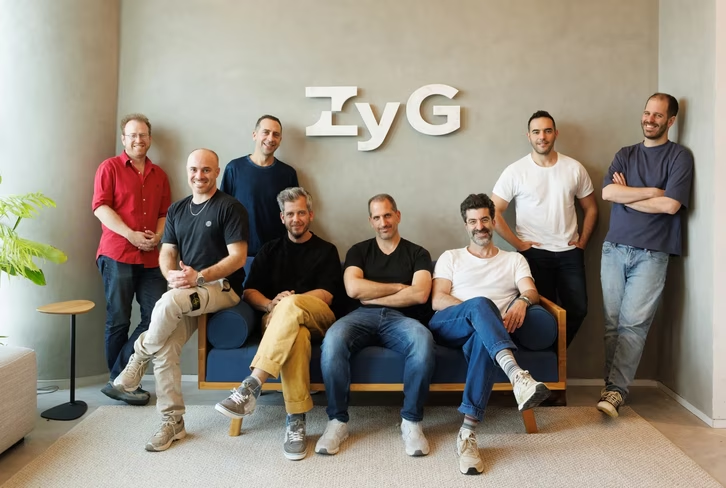
I fondatori di IronSource, azienda che per un decennio ha fornito strumenti cruciali per la monetizzazione delle app mobile attraverso la pubblicità, hanno annunciato il loro ritorno nel panorama tecnicico. La loro precedente avventura si era conclusa con la cessione a Unity per una cifra significativa di 4,4 miliardi di dollari nel 2022. Questo passaggio ha segnato un punto di svolta, poiché Unity ha successivamente deciso di smantellare la rete pubblicitaria che IronSource aveva meticolosamente costruito.
Dopo aver lasciato Unity nel 2024, i fondatori hanno ora lanciato una nuova iniziativa. Questa nuova scommessa si fonda su una premessa audace e potenzialmente dirompente: gli agenti AI sono destinati a sostituire i tradizionali acquirenti di spazi pubblicitari, ridefinendo le dinamiche del mercato pubblicitario digitale.
L'Ascesa degli Agenti AI nel Marketing
La visione centrale della nuova azienda è che gli agenti AI non saranno semplici strumenti di automazione, ma entità autonome capaci di prendere decisioni complesse e strategiche, tradizionalmente appannaggio di professionisti umani. Questi agenti potrebbero gestire l'intero ciclo di vita delle campagne pubblicitarie, dall'analisi dei dati alla negoziazione, dall'ottimizzazione in tempo reale all'acquisto effettivo degli spazi.
L'adozione di agenti AI in questo contesto promette di portare efficienze senza precedenti, riducendo i costi operativi e potenzialmente aumentando il ritorno sull'investimento grazie a un'analisi più rapida e approfondita dei dati. Per le aziende, ciò significa la possibilità di scalare le operazioni pubblicitarie con maggiore agilità e precisione, liberando risorse umane per compiti più creativi e strategici.
Implicazioni per il Settore e i Professionisti
Questa prospettiva solleva interrogativi significativi sul futuro dei ruoli professionali nel settore dell'ad tech. Se gli agenti AI dovessero effettivamente assumere le funzioni degli acquirenti di spazi pubblicitari, si assisterebbe a una profonda trasformazione delle competenze richieste. I professionisti potrebbero dover spostare il loro focus verso la supervisione degli agenti, la definizione di strategie di alto livello e lo sviluppo di nuovi modelli di interazione con l'intelligenza artificiale.
Il mercato dell'ad tech, già in costante evoluzione, potrebbe subire un'accelerazione verso modelli operativi più automatizzati e basati sui dati. Le aziende che sapranno integrare efficacemente queste nuove capacità AI potrebbero ottenere un vantaggio competitivo sostanziale, mentre quelle più lente nell'adattarsi potrebbero trovarsi in difficoltà.
Considerazioni sul Deployment e la Sovranità dei Dati
L'implementazione di sistemi basati su agenti AI, specialmente in settori sensibili come la pubblicità, comporta importanti considerazioni tecniche e strategiche. Per le aziende che valutano l'adozione di tali tecnicie, la scelta tra deployment in cloud e soluzioni self-hosted o on-premise diventa cruciale. Le architetture on-premise o ibride possono offrire un maggiore controllo sulla sovranità dei dati e sulla compliance normativa, aspetti fondamentali quando si gestiscono grandi volumi di informazioni sensibili sui consumatori e sulle campagne.
La gestione di LLM e dei framework necessari per gli agenti AI richiede infrastrutture robuste, con requisiti specifici in termini di VRAM e capacità di calcolo per l'inference. Per chi valuta deployment on-premise, esistono framework analitici su /llm-onpremise che possono aiutare a valutare i trade-off tra costi, performance e controllo. La decisione finale dipenderà da un'attenta analisi del TCO e delle esigenze specifiche di sicurezza e performance dell'organizzazione.







💬 Commenti (0)
🔒 Accedi o registrati per commentare gli articoli.
Nessun commento ancora. Sii il primo a commentare!