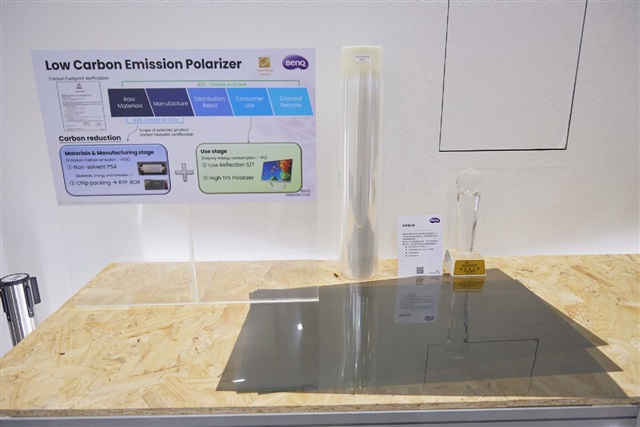
Una Trasformazione Strategica per l'Industria Taiwanese
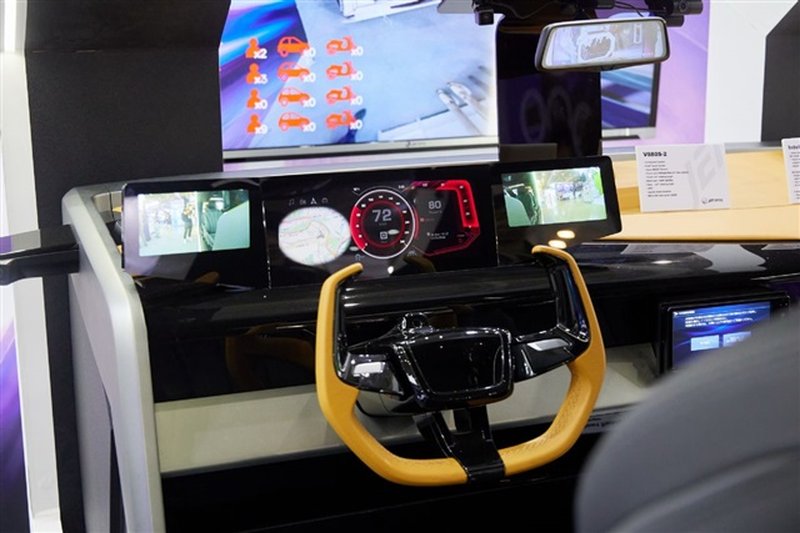
L'industria tecnicica di Taiwan è da tempo un pilastro dell'economia globale, con una forte specializzazione in diversi segmenti. Recentemente, i tre maggiori produttori di polarizzatori dell'isola hanno annunciato una significativa riorganizzazione strategica. Questa mossa li vede abbandonare, o quantomeno ridurre la dipendenza da, i loro mercati tradizionali per concentrarsi su settori emergenti e ad alto potenziale di crescita: il medicale, i semiconduttori e l'automotive.
Questa trasformazione non è solo un adattamento, ma una chiara indicazione delle tendenze di mercato globali. Le aziende cercano di diversificare i propri ricavi e di posizionarsi in segmenti meno volatili e con margini più elevati, sfruttando le proprie competenze manifatturiere e tecniciche in nuove applicazioni. Il settore dei semiconduttori, in particolare, riveste un'importanza cruciale per l'ecosistema tecnicico moderno, inclusi i carichi di lavoro legati all'intelligenza artificiale.
Il Ruolo Chiave dei Semiconduttori nell'Era dell'AI
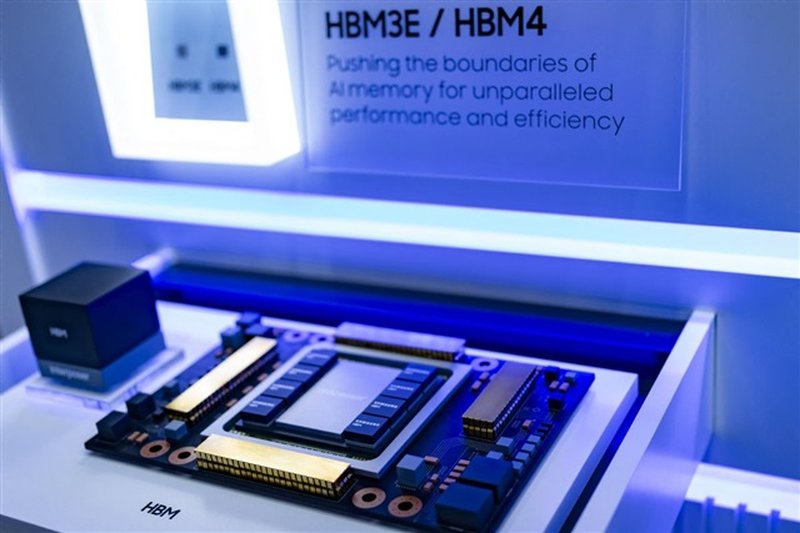
Il riposizionamento nel settore dei semiconduttori è particolarmente rilevante per chi opera nel campo dell'intelligenza artificiale e dei Large Language Models (LLM). La produzione di silicio è la spina dorsale dell'hardware necessario per l'addestramento (training) e l'inference di modelli AI complessi. GPU, NPU e altri acceleratori specifici richiedono processi produttivi avanzati e una catena di approvvigionamento robusta e affidabile.
Questa transizione da parte dei produttori di polarizzatori potrebbe contribuire a rafforzare ulteriormente la filiera dei semiconduttori di Taiwan, già leader mondiale. Una maggiore capacità produttiva e una diversificazione delle competenze all'interno di questo ecosistema sono fondamentali per garantire la disponibilità di componenti critici. Ciò è particolarmente vero per le aziende che scelgono deployment self-hosted o on-premise per i loro carichi di lavoro AI, dove l'accesso a hardware performante e la gestione del Total Cost of Ownership (TCO) sono fattori decisivi.
Implicazioni per l'Framework AI e il TCO
Per CTO, DevOps lead e architetti di infrastrutture, la stabilità e la resilienza della catena di fornitura dei semiconduttori hanno un impatto diretto sulle decisioni di investimento. La disponibilità di silicio avanzato influenza non solo i tempi di consegna, ma anche i costi e la capacità di scalare le infrastrutture AI. Un ecosistema di produzione più ampio e diversificato può mitigare i rischi legati a interruzioni della supply chain, offrendo maggiore prevedibilità.
La scelta tra deployment on-premise e soluzioni cloud per gli LLM è spesso guidata da considerazioni di sovranità dei dati, compliance e TCO. Per chi opta per infrastrutture self-hosted o air-gapped, avere accesso a componenti hardware affidabili e a prezzi competitivi è essenziale. Questa evoluzione nel panorama manifatturiero taiwanese, pur non fornendo dettagli specifici su VRAM o throughput, suggerisce un rafforzamento complessivo della base produttiva che, indirettamente, può beneficiare l'intero settore dell'AI. Per chi valuta deployment on-premise, esistono trade-off che AI-RADAR esplora in dettaglio nei suoi framework analitici disponibili su /llm-onpremise.
Prospettive Future e Resilienza del Mercato
La mossa strategica dei produttori di polarizzatori taiwanesi evidenzia una tendenza più ampia verso la resilienza e l'adattabilità nel settore tecnicico. Spostarsi verso il medicale, l'automotive e, soprattutto, i semiconduttori, permette a queste aziende di capitalizzare su megatrend globali e di ridurre la dipendenza da un singolo segmento di mercato. Questo approccio non solo garantisce maggiore stabilità per le singole imprese, ma rafforza anche la posizione di Taiwan come hub tecnicico globale.
In un contesto geopolitico ed economico in continua evoluzione, la capacità di un'industria di reinventarsi e di diversificare le proprie competenze è un indicatore chiave di forza. La transizione verso la produzione di componenti per semiconduttori, in particolare, è un segnale positivo per tutti gli attori che dipendono da un approvvigionamento stabile e innovativo di hardware per alimentare le proprie ambizioni nell'intelligenza artificiale.




💬 Commenti (0)
🔒 Accedi o registrati per commentare gli articoli.
Nessun commento ancora. Sii il primo a commentare!