
La Pressione sulla Pipeline di Approvvigionamento dei Chip AI
La rapida espansione del settore dell'intelligenza artificiale, in particolare l'adozione diffusa dei Large Language Models (LLM), sta generando una domanda senza precedenti per i chip dedicati. Questa impennata non si riflette solo nella richiesta di GPU e acceleratori, ma si estende a monte della catena di approvvigionamento, influenzando componenti critici per la produzione di questi stessi chip. Un segnale evidente di questa pressione emerge dall'allungamento dei tempi di consegna per le probe card MPI, che hanno raggiunto i sei mesi.
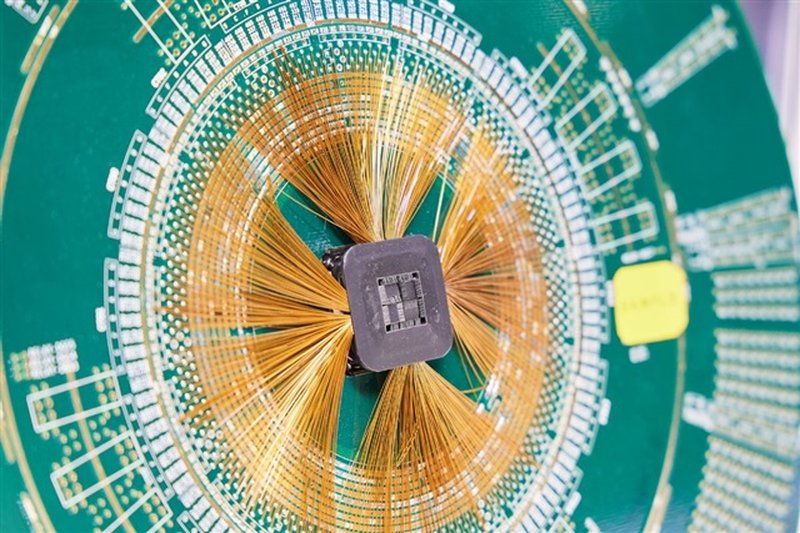
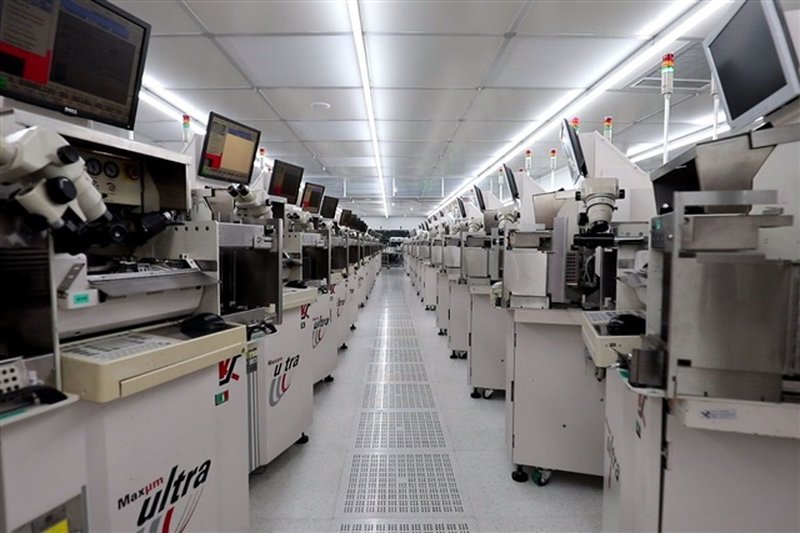
Le probe card MPI sono strumenti essenziali nel processo di fabbricazione dei semiconduttori. Vengono utilizzate per testare l'integrità e la funzionalità dei singoli chip direttamente sul wafer di silicio, prima che vengano tagliati e incapsulati. La loro precisione e affidabilità sono fondamentali per garantire che i chip AI, noti per la loro complessità e le elevate prestazioni richieste, soddisfino gli standard qualitativi. L'estensione dei tempi di attesa per queste componenti indica una saturazione della capacità produttiva e una crescente difficoltà a tenere il passo con la richiesta globale.
Dettagli Tecnici e Impatto sulla Produzione
Le probe card MPI sono dispositivi altamente specializzati, progettati su misura per specifici layout di chip. La loro fabbricazione richiede processi di ingegneria di precisione e materiali avanzati, rendendole un collo di bottiglia intrinseco nella produzione di massa di semiconduttori. L'aumento della domanda di chip AI, che richiedono cicli di testing più rigorosi e complessi a causa della loro architettura avanzata, ha amplificato questa criticità.
L'allungamento dei lead time a sei mesi per queste componenti non è un dettaglio trascurabile. Significa che l'intero ciclo di produzione dei chip AI subisce un ritardo, dall'inizio del testing alla consegna del prodotto finito. Questo impatta direttamente la disponibilità sul mercato di GPU e altri acceleratori AI, elementi cardine per la costruzione di infrastrutture computazionali dedicate. Le aziende che si affidano a questi chip per le loro operazioni di training e Inference si trovano di fronte a un panorama di approvvigionamento sempre più incerto.
Implicazioni per il Deployment On-Premise di LLM
Per le organizzazioni che valutano o hanno già implementato soluzioni LLM self-hosted, l'allungamento dei tempi di consegna delle probe card MPI si traduce in sfide concrete. La disponibilità di hardware specifico, come le GPU ad alta VRAM, è un fattore determinante per la scalabilità e le performance dei deployment on-premise. Ritardi nella produzione dei chip significano ritardi nella consegna dei server e delle schede acceleratrici, compromettendo la pianificazione dei progetti e potenzialmente aumentando il Total Cost of Ownership (TCO) a causa di tempi di inattività o di attesa prolungati.
La sovranità dei dati e il controllo sull'infrastruttura sono motivazioni chiave per scegliere un deployment on-premise. Tuttavia, la dipendenza da una catena di approvvigionamento globale per l'hardware introduce un elemento di rischio che deve essere attentamente gestito. Le aziende devono considerare strategie di approvvigionamento a lungo termine, diversificazione dei fornitori e, ove possibile, la valutazione di architetture hardware alternative o l'ottimizzazione dell'uso delle risorse esistenti tramite tecniche come la Quantization per ridurre i requisiti di VRAM. Per chi valuta deployment on-premise, AI-RADAR offre framework analitici su /llm-onpremise per valutare trade-off e pianificare al meglio.
Prospettive Future e Strategie di Mitigazione
L'attuale situazione evidenzia la fragilità delle catene di approvvigionamento globali di fronte a picchi di domanda in settori strategici come l'AI. Mentre i produttori di semiconduttori lavorano per espandere la capacità produttiva delle probe card e di altri componenti critici, le aziende che dipendono da questi chip devono adottare un approccio proattivo. Questo include una pianificazione infrastrutturale più robusta, che tenga conto di potenziali ritardi e fluttuazioni dei prezzi.
Guardando al futuro, è probabile che la pressione sulla catena di approvvigionamento persista finché la domanda di AI continuerà a crescere a ritmi elevati. Le decisioni di deployment, sia on-premise che ibride, richiederanno una comprensione approfondita non solo delle specifiche tecniche e dei costi operativi, ma anche della resilienza della supply chain. La capacità di anticipare e mitigare questi rischi diventerà un fattore competitivo cruciale per le aziende che puntano a sfruttare appieno il potenziale degli LLM.








💬 Commenti (0)
🔒 Accedi o registrati per commentare gli articoli.
Nessun commento ancora. Sii il primo a commentare!