The AI Chip Wave and Its Repercussions
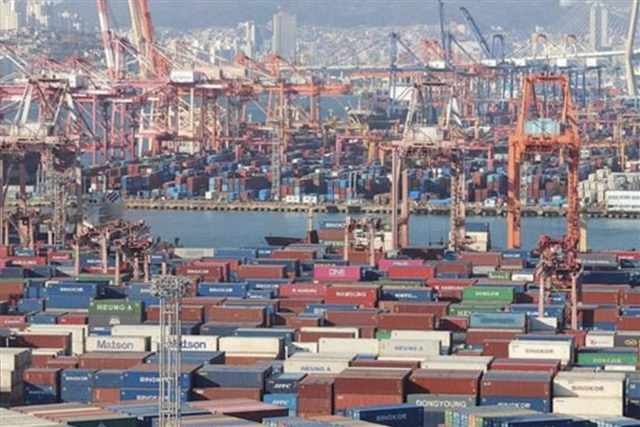
South Korea, a key player in the global semiconductor manufacturing landscape, is experiencing a significant surge in exports of chips dedicated to artificial intelligence. This phenomenon is a clear indicator of unprecedented global demand, driven by the increasingly widespread adoption of Large Language Models (LLM) and other AI applications across various industrial sectors.
However, this exponential growth has a downside: it is intensifying an existing supply crunch for these critical components. The scarcity of specialized AI silicio has profound implications for the entire technological supply chain, influencing strategic and operational decisions globally.
Implications for On-Premise Deployment: Hardware and TCO
The scarcity of AI chips, particularly high-performance GPUs with ample VRAM, represents a critical challenge for organizations aiming to implement self-hosted AI solutions. The procurement of specific hardware, essential for LLM inference and training, becomes more complex and costly in a market characterized by high demand and limited supply.
This scenario directly impacts initial Capital Expenditure (CapEx) and the overall Total Cost of Ownership (TCO) of AI infrastructures. Companies face extended lead times and volatile prices, factors that can significantly delay or alter artificial intelligence projects. Infrastructure planning thus becomes an exercise in balancing availability, cost, and the performance required for intensive workloads.
Data Sovereignty and Supply Chain Resilience
Reliance on a global supply chain for AI chips raises fundamental questions regarding data sovereignty and operational resilience. For entities requiring air-gapped environments or needing to comply with stringent data residency regulations, the inability to procure on-premise hardware can force strategic compromises.
Maintaining control over one's data and AI models is closely linked to the availability of dedicated physical infrastructure. A supply crunch can undermine these strategic objectives, pushing some organizations towards cloud solutions that, while offering greater availability, may not be ideal for their compliance and security needs. This highlights the importance of a robust and diversified supply chain for critical components.
Future Outlook and Mitigation Strategies
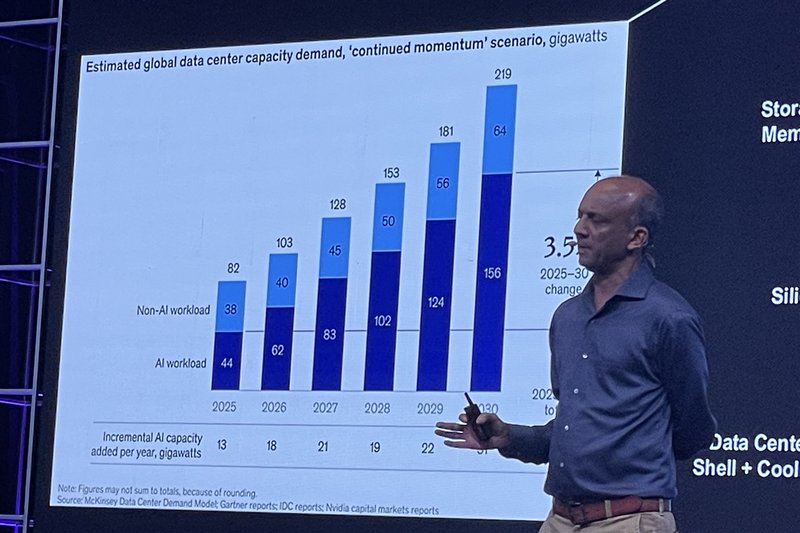
The demand for specialized AI silicio is set to grow further, fueled by the evolution of models and their adoption in increasingly broad sectors. Companies must adopt proactive strategies to mitigate the risks associated with hardware scarcity. This includes diversifying suppliers, evaluating alternative hardware architectures (such as enhanced CPUs or specific ASICs), and optimizing the utilization of existing resources through techniques like Quantization.
For those evaluating on-premise deployments, analytical frameworks are available on AI-RADAR.it/llm-onpremise to assess the trade-offs between different options. Long-term planning and a deep understanding of the compromises between performance, cost, and availability are essential to navigate this dynamic market scenario and ensure the continuity of artificial intelligence projects.







💬 Comments (0)
🔒 Log in or register to comment on articles.
No comments yet. Be the first to comment!