Introduction: RISC-V and the Future of AI
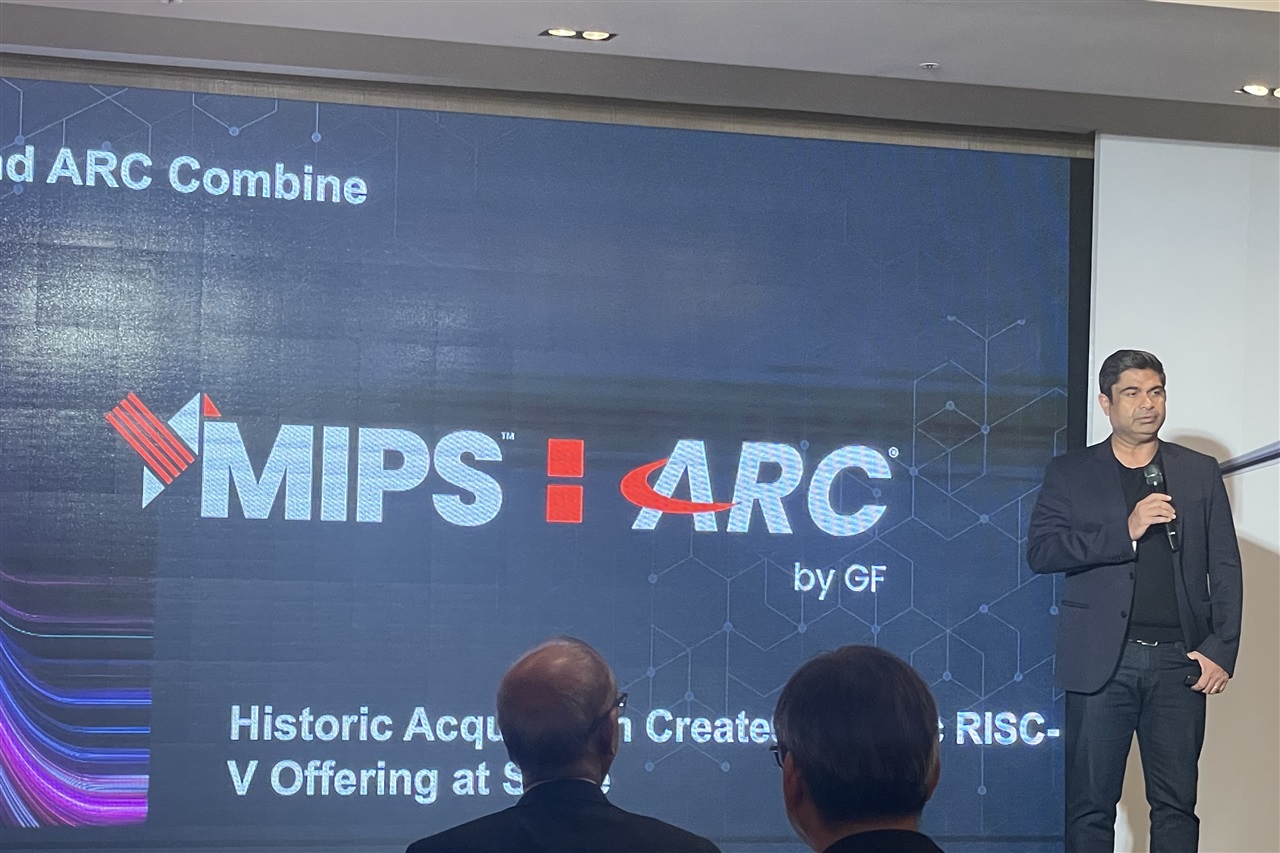
During the Computex forum, a key event for the technology industry, the MIPS CEO brought RISC-V into the spotlight, presenting it as a pivotal architecture for the development of artificial intelligence on physical hardware. This stance from a leader of an established CPU architecture like MIPS highlights a growing focus on open and customizable alternatives in the semiconductor sector, particularly for AI workloads.
The debate around processor architecture is more vibrant than ever, with AI pushing the boundaries of computational capabilities. The emergence of RISC-V as a serious contender in the physical AI landscape suggests a shift in deployment strategies, moving towards more controlled and hardware-optimized solutions.
RISC-V and the AI Landscape
RISC-V is an open-source Instruction Set Architecture (ISA), meaning it is freely available for anyone to use in designing and manufacturing chips. Unlike proprietary architectures such as x86 or ARM, RISC-V offers unprecedented flexibility, allowing companies to customize processor designs to meet specific needs. This characteristic is particularly advantageous in the context of AI, where workloads can vary enormously and require highly specialized hardware accelerators.
The ability to create custom silicon can translate into superior energy efficiency and optimized performance for specific Large Language Models (LLM) or machine learning algorithms. This approach contrasts with the adoption of generic hardware, which often involves compromises in terms of power consumption and throughput for intensive AI workloads.
Implications for On-Premise Deployment
For organizations evaluating the deployment of AI workloads on-premise, adopting RISC-V can offer significant advantages. The open-source nature of the architecture ensures greater control over the supply chain and security, reducing reliance on single vendors. This is crucial for sectors with stringent data sovereignty and regulatory compliance requirements, where air-gapped or self-hosted solutions are preferred.
Furthermore, the possibility of optimizing silicon for specific inference or training needs can have a direct impact on the Total Cost of Ownership (TCO). While the initial development of custom chips may require a greater investment (CapEx), long-term operational costs (OpEx) related to energy consumption and software licensing could be significantly reduced. This makes RISC-V an attractive option for companies looking to maximize the efficiency and sustainability of their AI infrastructures.
Future Prospects and Trade-offs
Despite the promising advantages, the adoption of RISC-V in the AI sector also presents challenges. The software ecosystem, while rapidly growing, is not yet as mature as that of established architectures. This may require additional investments in developing optimized toolchains, compilers, and frameworks. Companies must carefully evaluate these trade-offs, balancing the benefits of customization and control with the costs and complexity of integration.
However, the interest from key figures like the MIPS CEO at Computex signals a clear direction. As AI becomes increasingly pervasive and deployment needs diversify, architectures like RISC-V could play an increasingly central role, especially for AI solutions that demand granular hardware control and attention to data sovereignty. AI-RADAR continues to monitor the evolution of these technologies, offering analytical frameworks to help companies evaluate the trade-offs between on-premise and cloud solutions for their AI workloads.





💬 Comments (0)
🔒 Log in or register to comment on articles.
No comments yet. Be the first to comment!