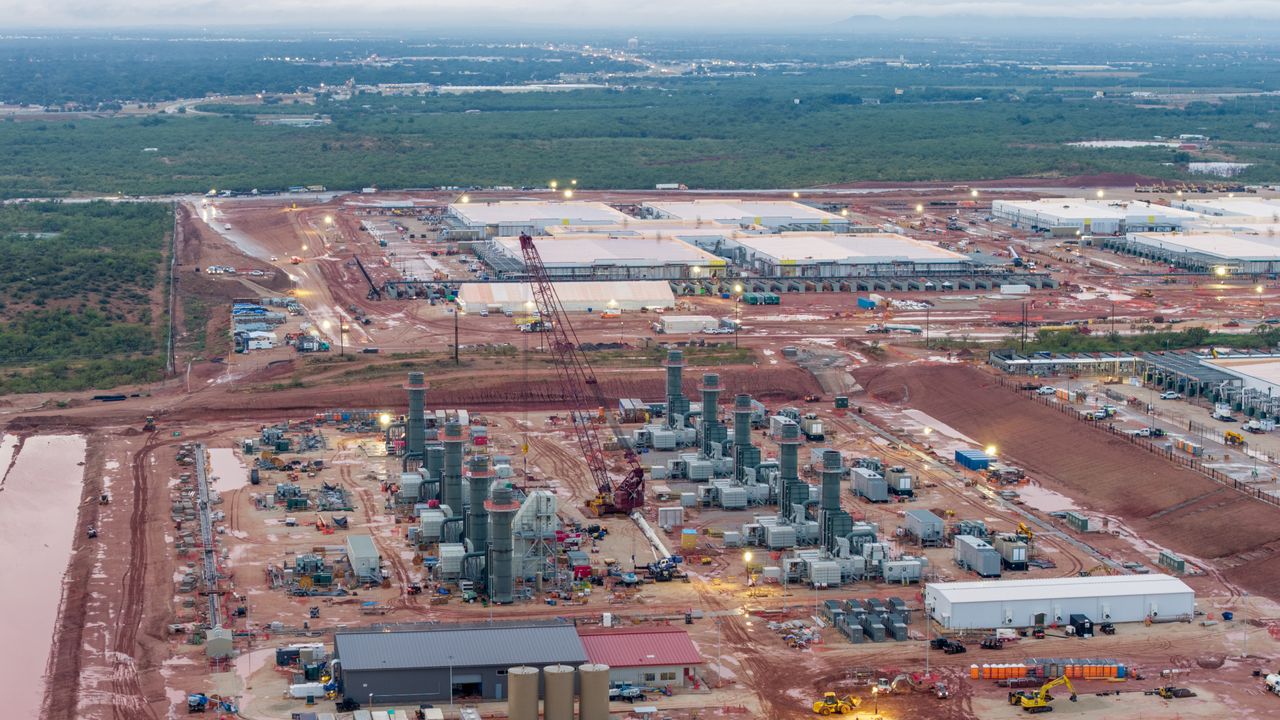
Energy at the Core of AI Data Centers: The Stargate Case
The landscape of Large Language Models (LLM) and generative artificial intelligence is redefining global infrastructure needs. Central to this transformation is the demand for massive computing power, which in turn requires a stable and reliable energy supply. A concrete example of this trend emerges from the Stargate AI data center, located in Abilene, Texas, which is investing in on-site energy infrastructure.
During a recent media tour, GE Vernova-made gas turbines, key components of a natural gas plant currently under construction, were observed firsthand. This initiative underscores a growing strategy among operators of large AI-dedicated data centers: ensuring direct control over their energy supply, reducing reliance on the public electricity grid, and optimizing long-term operational costs.
Technical Details and Implications for AI Deployments
The decision to implement an on-site natural gas plant, featuring turbines from a well-established provider like GE Vernova, is not coincidental. AI-related workloads, particularly those for LLM training and inference, are extremely energy-intensive and demand a constant, high-quality power supply. Power outages or voltage fluctuations can significantly impact operational stability and the longevity of high-performance hardware, such as GPUs.
An on-site power generation facility offers several strategic advantages. It helps mitigate risks associated with grid stability and energy price fluctuations, which are crucial factors for the Total Cost of Ownership (TCO) of an AI data center. Furthermore, it provides greater control over energy availability, essential for maintaining high throughput levels and low latencies, vital parameters for the most demanding AI applications.
Context and Trade-offs for On-Premise AI
For organizations evaluating on-premise AI deployments, the energy question represents one of the fundamental pillars of infrastructure planning. The ability to host and power a significant number of GPU-equipped servers, with high VRAM and compute power requirements, is often the primary constraint. The construction of a dedicated energy plant, like Stargate's, reflects a strategic decision aimed at maximizing operational independence and data sovereignty, crucial aspects for regulated sectors or those handling sensitive information.
This strategy, of course, involves trade-offs. While it offers greater control and potential TCO savings in the long run, it requires a significant initial capital expenditure (CapEx) and complex management of the energy infrastructure. Evaluating these alternatives, including reliance on the public grid with backup systems or building dedicated plants, is a critical exercise for CTOs and system architects.
Future Outlook and Deployment Decisions
The example of the Stargate data center in Texas highlights how physical infrastructure, particularly energy infrastructure, is intrinsically linked to AI deployment capabilities. Decisions regarding power supply are not merely engineering matters but strategic choices that influence the scalability, resilience, and economic sustainability of AI workloads.
For those evaluating on-premise deployments of LLMs and other AI applications, understanding these trade-offs is essential. AI-RADAR focuses precisely on analyzing these decisions, offering analytical frameworks on /llm-onpremise to assess the implications of hardware, energy, and architecture. The ability to effectively power AI is and will remain a determining factor for the success of enterprise technology strategies.






💬 Comments (0)
🔒 Log in or register to comment on articles.
No comments yet. Be the first to comment!