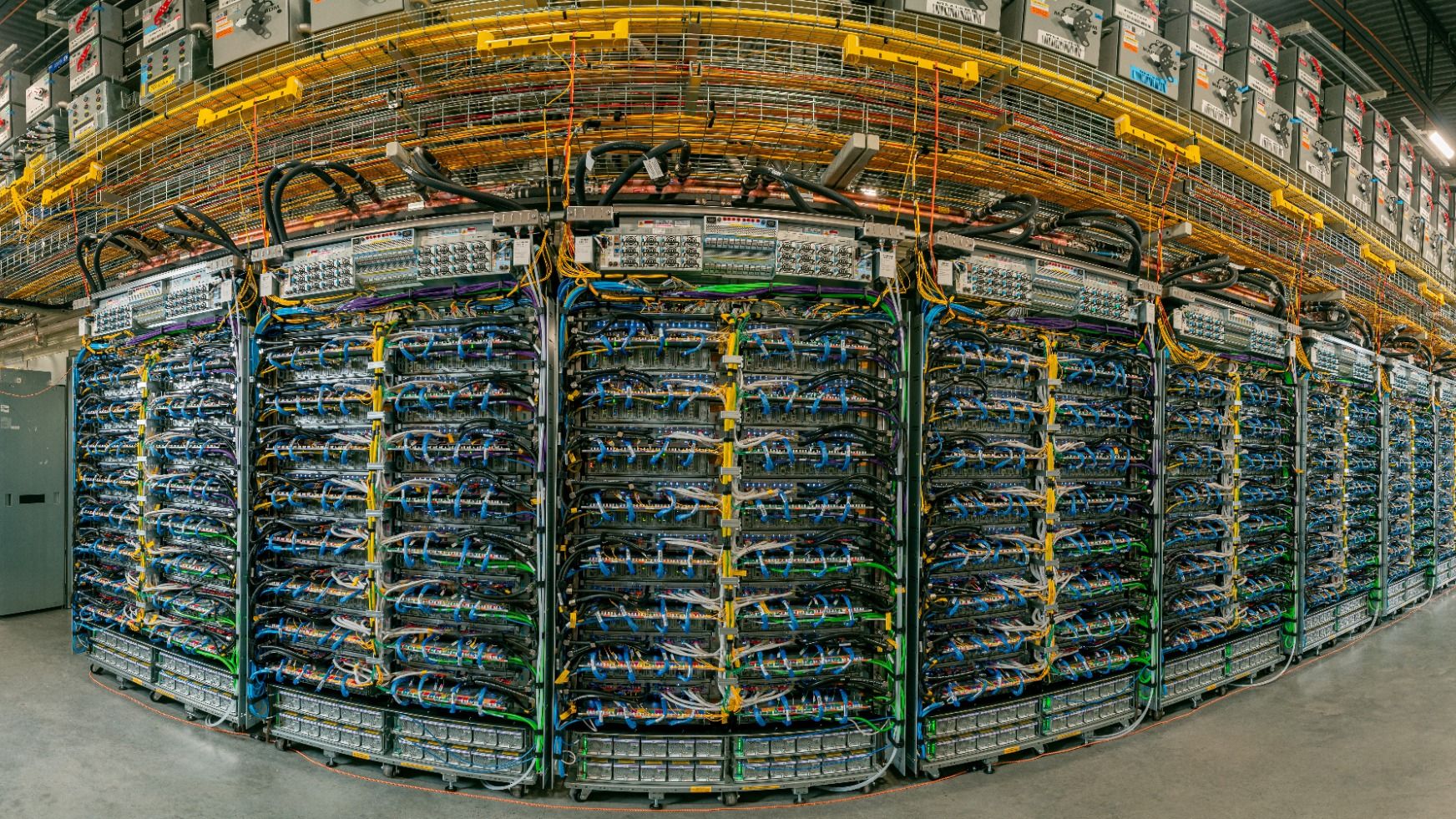
Anthropic's IPO filing reveals a telling detail about the economics of large language models: most of the compute the company buys goes to research and development, not to the infrastructure that serves customers. At the same time, the company has laid out contracts worth $800 billion for TPUs and GPUs—a scale that underscores how capital-intensive the race for frontier models has become.
The imbalance between R&D and serving has direct implications. First, compute investment is not being driven by inference demand but by the need to train ever-larger models. GPUs and TPUs are primarily used to push the limits of research, not to answer end-user requests. Second, multi-year contracts with accelerator suppliers shift bargaining power toward hardware makers and data center operators, reducing flexibility for AI labs.
For the self-hosted ecosystem, the signal is twofold. Serving already-trained models typically requires fewer resources than training and can be optimized with techniques such as quantization and batch processing, making local deployments feasible for targeted inference workloads. At the same time, the massive compute required for research remains out of reach for most organizations and reinforces dependence on cloud and specialized providers. Organizations building self-hosted infrastructure must therefore distinguish clearly between model development and model serving. For those evaluating self-hosted deployment, there are trade-offs between training and inference costs: our analysis at /llm-onpremise offers frameworks to navigate them.
Immediate winners are accelerator producers and large cloud providers, which lock in long-term spending commitments. Potential losers are smaller labs and companies hoping to compete solely on serving: if most of the value is concentrated in research, those without comparable capital risk being marginalized. Data sovereignty also comes into play: dependence on external training infrastructure makes it harder for European organizations to maintain control over sensitive data, pushing toward hybrid solutions where fine-tuning and inference happen locally, while pre-training stays on specialized cloud.
The IPO filing is not just an accounting snapshot; it is a map of priorities. And the map says that, for now, the frontier is paid for in research, not in answers.





💬 Comments (0)
🔒 Log in or register to comment on articles.
No comments yet. Be the first to comment!