
The Evolving AI Accelerator Landscape
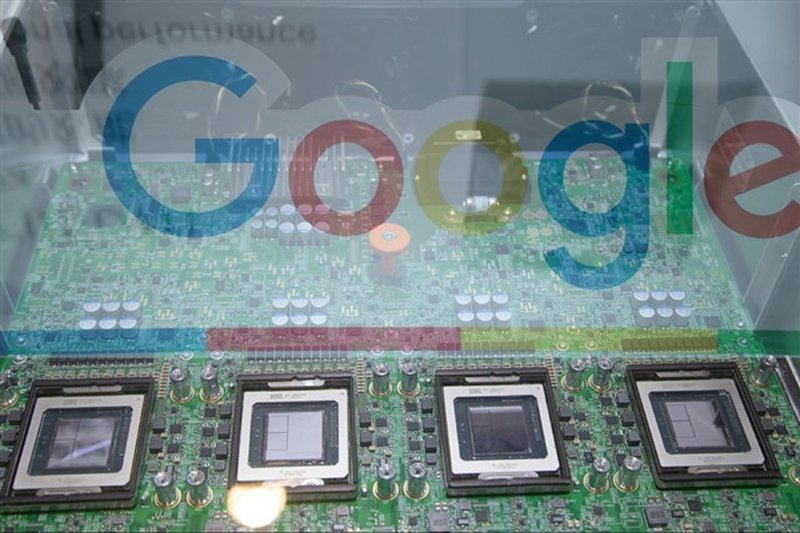
The artificial intelligence accelerator sector is in constant flux, driven by the growing demand for computational power for training and inference of Large Language Models (LLMs). A recent report from DIGITIMES indicates a significant evolution in the dedicated AI chip market, particularly concerning Google's Tensor Processing Units (TPU) orders. The news points to a change in supply dynamics, with new players emerging and redefining the balance.
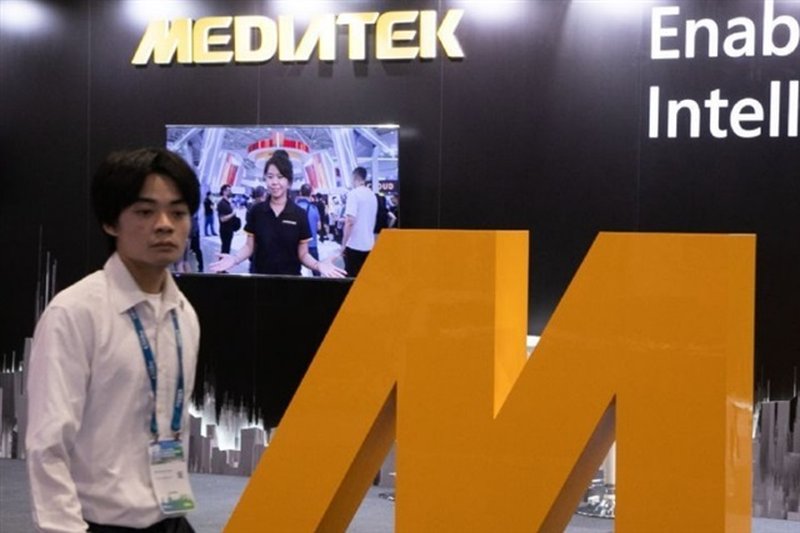
Traditionally, Google has relied on its own TPUs to power its AI services. However, the report suggests that companies like MediaTek, Marvell, and Broadcom are gaining an increasingly relevant market share. This diversification scenario reflects a broader trend in the industry, where the search for optimized and flexible hardware solutions is leading to an expansion of offerings and increased competition among silicon providers.
New Players and Opportunities in the AI Silicon Market
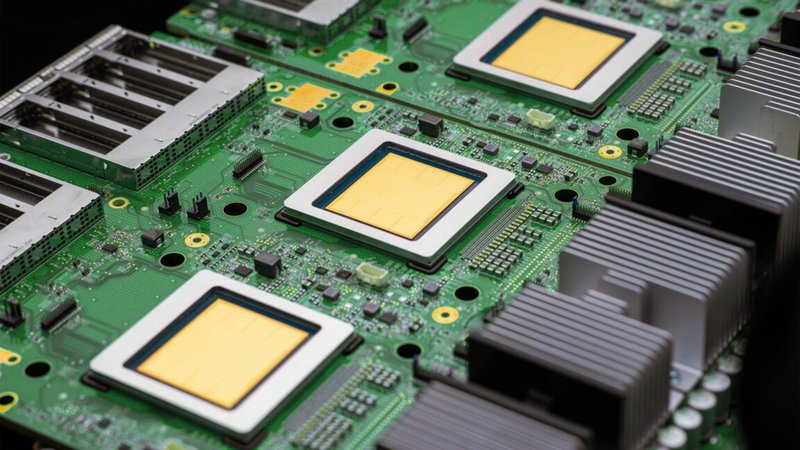
The rise of MediaTek, Marvell, and Broadcom in the AI accelerator segment introduces new opportunities and challenges for companies needing to choose their infrastructure. These suppliers, known for their expertise in specific silicon sectors, are now bringing their competencies to the AI field, offering alternatives to proprietary or dominant solutions. This market fragmentation can translate into a greater variety of hardware options, each with its own characteristics in terms of performance, energy efficiency, and costs.
For CTOs and infrastructure architects, the availability of a wider range of chips means being able to evaluate solutions more tailored to their specific needs. Whether it's optimizing TCO for large-scale inference workloads or ensuring data sovereignty through on-premise deployments, choosing the right silicon becomes a critical factor. Competition among suppliers can also stimulate innovation and lead to continuous improvements in hardware specifications, such as available VRAM, throughput, and latency.
Implications for On-Premise and Hybrid Deployments
The diversification of AI chip suppliers has direct repercussions on deployment strategies, particularly for organizations prioritizing self-hosted or hybrid solutions. The increase in hardware options can facilitate the construction of customized on-premise AI infrastructures, offering greater control over costs, security, and regulatory compliance. The ability to choose among different silicon providers allows companies to negotiate better and find the right balance between performance and budget.
However, greater choice also implies higher decision-making complexity. Companies must carefully evaluate not only the technical specifications of the silicon but also compatibility with existing software frameworks, long-term support, and integration with network and storage infrastructure. For those evaluating on-premise deployments, AI-RADAR offers analytical frameworks on /llm-onpremise to assess the trade-offs between different solutions, considering factors such as TCO, data sovereignty, and performance requirements.
Future Prospects and the Challenge of Choice
The shift in Google's TPU order landscape, with the rise of MediaTek, Marvell, and Broadcom, is a clear signal of the maturing AI accelerator market. This evolution offers companies the opportunity to access a broader range of hardware solutions, potentially better suited to specific workloads and deployment constraints. The ability to choose among different silicon architectures can be a determining factor in optimizing the performance and costs of AI operations.
In this dynamic context, the main challenge for technology decision-makers will be to navigate the multiple options available. A thorough evaluation of the trade-offs between different suppliers, considering aspects such as VRAM density, power consumption, and the software ecosystem, will be crucial for implementing resilient and efficient AI infrastructures. Vendor neutrality and fact-based analysis remain pillars for informed strategic decisions.




💬 Comments (0)
🔒 Log in or register to comment on articles.
No comments yet. Be the first to comment!