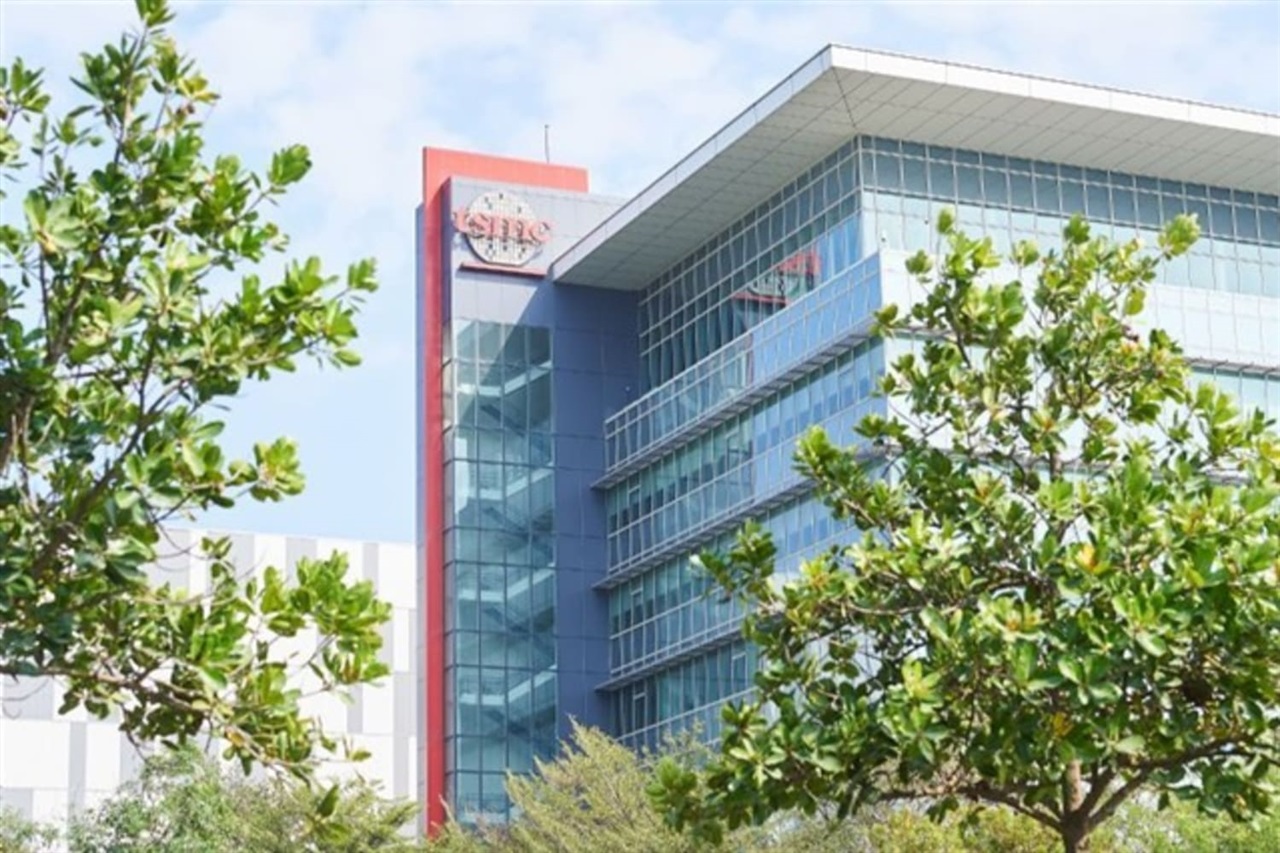
Economic Growth Driven by Artificial Intelligence in Taiwan
The Southern Taiwan Science Park (STSP) positions itself as a strategic hub within the Asian technology ecosystem, projecting a production value of US$94 billion. This ambitious estimate is directly linked to "AI tailwinds," the favorable currents generated by the advancement and widespread adoption of artificial intelligence. AI is no longer a niche technology but an enabling factor that is reshaping entire industrial sectors, from advanced manufacturing to healthcare, logistics, and financial services.
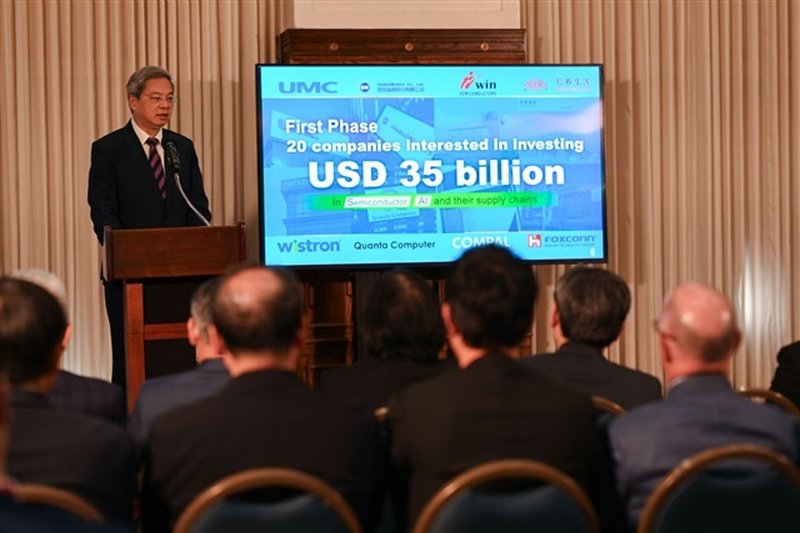
The ability to integrate solutions based on LLMs and other generative AI models is becoming a key indicator of economic competitiveness. Regions like the Southern Taiwan Science Park, which host a wide range of high-tech companies, directly benefit from this transformation, attracting investment and stimulating innovation. The availability of specialized talent and robust infrastructure are fundamental elements to fully capitalize on these opportunities.
Implications for AI Infrastructure and Deployment
The expansion of AI, particularly with the increasing use of Large Language Models, imposes significant infrastructure requirements. Companies aiming to fully leverage AI's potential must address complex strategic decisions regarding the deployment of their workloads. The choice between self-hosted on-premise solutions and cloud services is not trivial and depends on factors such as TCO (Total Cost of Ownership), data sovereignty, and compliance needs.
For intensive workloads, such as training or inference of large LLMs, hardware plays a crucial role. The availability of GPUs with high VRAM and computing power, like the A100 or H100 series, is often a bottleneck. An on-premise deployment can offer greater control over hardware, security, and latency—critical aspects for sensitive applications or air-gapped environments. However, it requires a significant initial investment and in-house expertise for infrastructure management and maintenance.
Data Sovereignty and Control: A Decisive Factor
In a global context where data protection is increasingly stringent, data sovereignty emerges as a decisive factor for many organizations. Regulations like GDPR and other local laws impose specific requirements on data localization and processing, making on-premise or hybrid deployments particularly attractive for regulated sectors such as banking or government. Keeping data and AI models within one's own infrastructure boundaries ensures greater control and reduces risks associated with reliance on external providers.
The ability to manage the entire local stack, from bare metal to orchestration frameworks, allows companies to optimize performance and customize the environment according to their specific needs. This approach is particularly relevant for those developing proprietary models or handling sensitive data, where transparency and security of the entire pipeline are paramount. For those evaluating on-premise deployments, AI-RADAR offers analytical frameworks on /llm-onpremise to assess the trade-offs between costs, performance, and control.
Future Prospects for the AI Ecosystem
The ambition of the Southern Taiwan Science Park reflects a global trend: AI is set to be a primary economic driver for decades to come. Competition to attract investment and talent in the AI sector will intensify, pushing regions to improve their infrastructure and create ecosystems conducive to innovation. An area's ability to support both research and development, as well as the large-scale deployment of AI solutions, will be crucial for its success.
Strategic decisions made today regarding AI infrastructure will have a lasting impact on the ability of companies and nations to capitalize on this technological wave. Balancing innovation with security, scalability with control, and initial costs with long-term TCO will remain a central challenge for CTOs and system architects.






💬 Comments (0)
🔒 Log in or register to comment on articles.
No comments yet. Be the first to comment!