Microbi dal passato per sfide future
Il genio militare al lavoro per proteggere i soldati dal freddo estremo passa anche per lo studio di microbi risalenti a quasi 40.000 anni fa. Scienziati del U.S. Army Engineer Research and Development Center (ERDC) hanno riportato in vita questi microrganismi, scoprendo nel processo 26 nuove specie.
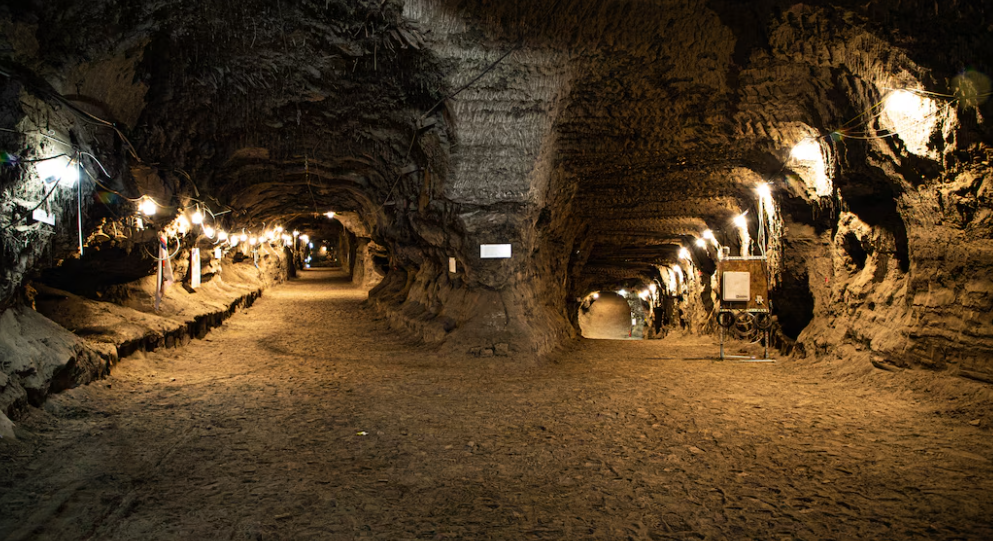
La ricerca, condotta nel Permafrost Tunnel Research Facility in Alaska, si concentra sullo studio delle proprietà di questi microbi per sviluppare tecnicie innovative. L'obiettivo è proteggere i militari dal congelamento, creare nuovi antigelo e migliorare le tecniche di sgelo di veicoli e attrezzature.
Applicazioni pratiche e scoperte biomediche
Robyn Barbato, microbiologa senior e leader del team di microbiologia del suolo di CRREL, ha sottolineato come i microbi siano "i migliori chimici". Lo studio del permafrost e del ghiaccio terrestre può portare alla scoperta di proprietà utili per affrontare problemi reali.
Oltre alle applicazioni militari, la ricerca potrebbe portare a scoperte nel campo biomedico. L'analisi delle proteine di questi microrganismi potrebbe aprire nuove strade per lo sviluppo di farmaci e terapie innovative. I campioni raccolti, contenenti spore rimaste in stasi per millenni, vengono coltivati e conservati nella libreria ICE COLD del CRREL.
Un tesoro di biodiversità
Il permafrost si rivela un ambiente ricco di biodiversità, con circa dieci milioni di cellule batteriche per grammo. Questo studio apre nuove prospettive sulla vita microbica e sulle sue potenziali applicazioni in diversi settori.





💬 Commenti (0)
🔒 Accedi o registrati per commentare gli articoli.
Nessun commento ancora. Sii il primo a commentare!