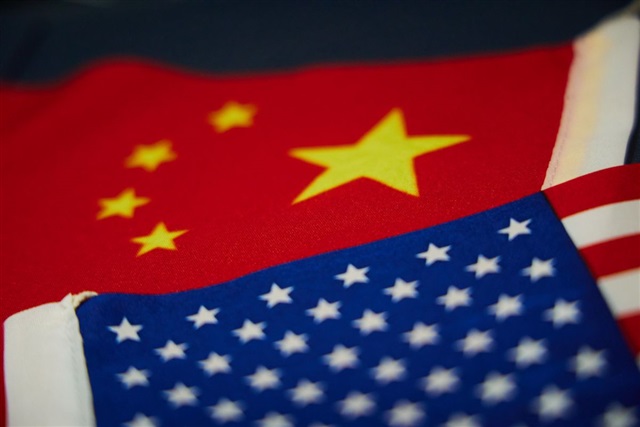
Il mutamento degli equilibri nella manifattura globale
Secondo un'analisi di DIGITIMES, il panorama degli investimenti taiwanesi in Cina ha subito una trasformazione radicale. La quota di investimenti è crollata dall'84% a un mero 4%, un dato che sottolinea un profondo riassetto delle dinamiche produttive e commerciali a livello mondiale. Questo spostamento non è un evento isolato, ma riflette tendenze più ampie di diversificazione e regionalizzazione delle catene di approvvigionamento.
Tale evoluzione ha ripercussioni significative su settori ad alta intensità tecnicica, inclusa la produzione di componenti essenziali per l'intelligenza artificiale. Per le organizzazioni che pianificano deployment di Large Language Models (LLM) e altre soluzioni AI, comprendere queste dinamiche è cruciale per la pianificazione strategica e la gestione del rischio.
L'impatto sulla supply chain dell'hardware AI
La produzione di hardware specializzato per l'AI, come le GPU ad alte prestazioni con elevata VRAM, i processori e i moduli di memoria, dipende da una complessa rete globale di fornitori e produttori. Un riassetto così marcato negli schemi di investimento e produzione può introdurre nuove variabili nella supply chain, influenzando la disponibilità, i tempi di consegna e i costi dei componenti.
Per le aziende che optano per un approccio self-hosted o bare metal per i loro carichi di lavoro AI, la stabilità e la prevedibilità della supply chain hardware sono fattori determinanti. La capacità di acquisire e mantenere un'infrastruttura robusta è direttamente collegata alla resilienza della rete produttiva globale. Eventuali interruzioni o ritardi possono avere un impatto diretto sulla capacità di implementare e scalare soluzioni di Inference e training on-premise.
Implicazioni per i deployment on-premise e la sovranità dei dati
La scelta di un deployment on-premise per i carichi di lavoro AI è spesso motivata dalla necessità di garantire la sovranità dei dati, la compliance normativa e un controllo granulare sull'ambiente operativo. Tuttavia, la realizzazione di queste architetture dipende intrinsecamente dalla disponibilità di hardware specifico. Le fluttuazioni nella supply chain possono quindi complicare la pianificazione del Total Cost of Ownership (TCO) e l'esecuzione dei progetti.
Per i CTO e gli architetti di infrastruttura, è fondamentale considerare non solo il costo iniziale dell'hardware, ma anche la sua disponibilità a lungo termine e la resilienza della catena di approvvigionamento. Un ambiente air-gapped o un'infrastruttura locale richiedono un approvvigionamento strategico che tenga conto delle potenziali vulnerabilità geopolitiche e produttive. La diversificazione dei fornitori e la valutazione di alternative diventano elementi chiave per mitigare i rischi.
Prospettive future e resilienza strategica
Il cambiamento negli investimenti taiwanesi in Cina è un segnale che le aziende devono integrare considerazioni geopolitiche e di supply chain nelle loro strategie di deployment AI. La ricerca di maggiore resilienza e autonomia nella gestione dell'infrastruttura AI on-premise richiederà un'attenta analisi dei rischi e delle opportunità.
Per chi valuta deployment on-premise, esistono framework analitici su /llm-onpremise che possono aiutare a valutare i trade-off tra costi, performance e resilienza della supply chain. In un contesto di riorganizzazione globale, la capacità di anticipare e adattarsi a queste dinamiche sarà un fattore critico per il successo a lungo termine delle strategie AI aziendali. La pianificazione strategica deve ora estendersi ben oltre le specifiche tecniche, abbracciando una visione olistica che includa la geopolitica della produzione hardware.









💬 Commenti (0)
🔒 Accedi o registrati per commentare gli articoli.
Nessun commento ancora. Sii il primo a commentare!