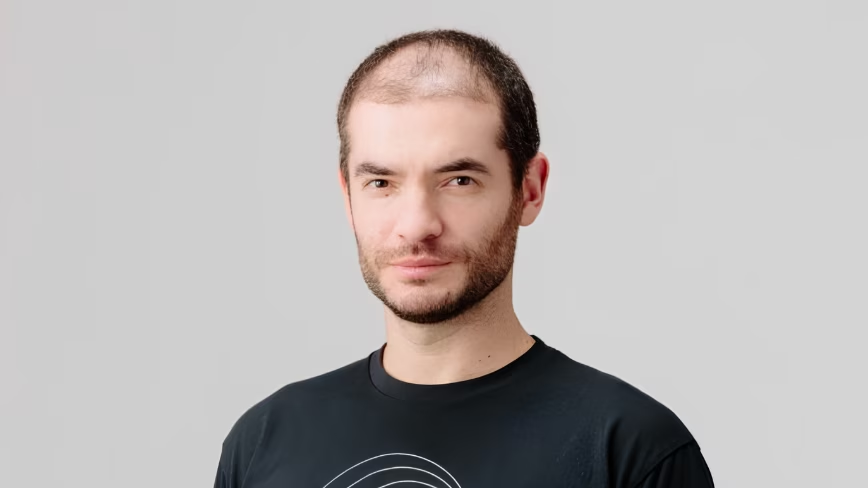
La Rivelazione di Ilya Sutskever e il Contesto Legale
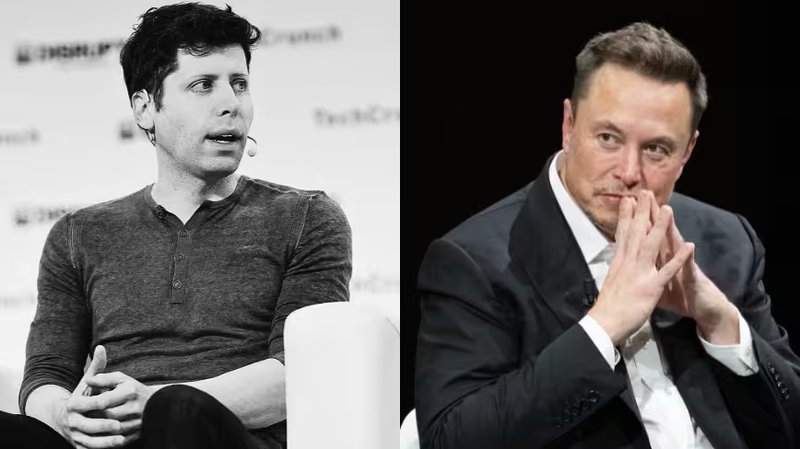
Ilya Sutskever, figura di spicco nel panorama dell'intelligenza artificiale e già capo scienziato di OpenAI, ha rivelato di possedere una quota di 7 miliardi di dollari nell'azienda. La dichiarazione è stata rilasciata sotto giuramento durante il contenzioso legale tra Elon Musk e OpenAI, un evento che ha acceso i riflettori sulle dinamiche interne e finanziarie di uno dei principali attori nel campo dei Large Language Models.
Attualmente, Sutskever è alla guida di Safe Superintelligence Inc., una nuova iniziativa focalizzata sullo sviluppo di un'intelligenza artificiale sicura. La sua testimonianza nel contesto della causa legale offre uno sguardo raro e significativo sulla struttura proprietaria di OpenAI, un'azienda che ha catalizzato l'attenzione globale per i suoi progressi nell'AI generativa.
Implicazioni Finanziarie e di Leadership nel Settore AI
La quota di 7 miliardi di dollari detenuta da Ilya Sutskever lo posiziona tra i maggiori azionisti individuali di OpenAI. Questa cifra non solo sottolinea il valore economico raggiunto dall'azienda, ma evidenzia anche l'importanza delle figure chiave che hanno contribuito alla sua crescita e al suo successo tecnicico. Tali rivelazioni finanziarie sono cruciali per comprendere la distribuzione del potere e dell'influenza all'interno delle organizzazioni che guidano l'innovazione nell'AI.
Eventi di questa natura possono avere un impatto significativo sulla percezione del mercato e sulla fiducia degli investitori. La trasparenza sulle partecipazioni azionarie di figure di alto profilo fornisce un indicatore della stabilità e della direzione strategica di un'azienda, fattori che i decision-maker aziendali monitorano attentamente quando valutano partnership o l'adozione di tecnicie AI su larga scala.
Dinamiche di Mercato e Decisioni di Deployment per gli LLM
Le vicende interne e le rivelazioni finanziarie di aziende leader come OpenAI non sono solo notizie di cronaca, ma elementi che possono influenzare le strategie di deployment per i Large Language Models a livello enterprise. La stabilità della leadership, la visione a lungo termine e la solidità finanziaria di un fornitore di tecnicia AI sono considerazioni fondamentali per CTO, DevOps lead e architetti infrastrutturali.
Per chi valuta deployment on-premise o soluzioni ibride per i propri carichi di lavoro AI, la comprensione del panorama competitivo e delle dinamiche di mercato è essenziale. La direzione strategica di attori chiave può influenzare la disponibilità di modelli, il supporto tecnico e l'evoluzione dei framework, impattando direttamente il Total Cost of Ownership (TCO) e la sovranità dei dati. AI-RADAR, ad esempio, offre framework analitici su /llm-onpremise per valutare questi trade-off, fornendo strumenti per decisioni informate tra soluzioni self-hosted e cloud-based.
Prospettive Future nel Panorama dell'Intelligenza Artificiale
La rivelazione della quota di Sutskever si inserisce in un periodo di intensa evoluzione e talvolta turbolenza nel settore dell'intelligenza artificiale. Le sfide legate alla governance, alla sicurezza e all'etica dell'AI sono al centro del dibattito, e la leadership delle aziende che sviluppano queste tecnicie è sotto costante esame. La presenza di figure con interessi finanziari così significativi solleva interrogativi sulle motivazioni e sulle direzioni future dell'innovazione.
Per i professionisti IT e i decision-maker, rimanere aggiornati su questi sviluppi non è solo una questione di informazione, ma una necessità strategica. Le decisioni prese oggi dai leader dell'AI plasmeranno il futuro della tecnicia e, di conseguenza, le opzioni disponibili per le aziende che cercano di integrare gli LLM nelle proprie infrastrutture. Monitorare queste dinamiche è cruciale per pianificare investimenti e architetture che garantiscano flessibilità, controllo e conformità.





💬 Commenti (0)
🔒 Accedi o registrati per commentare gli articoli.
Nessun commento ancora. Sii il primo a commentare!