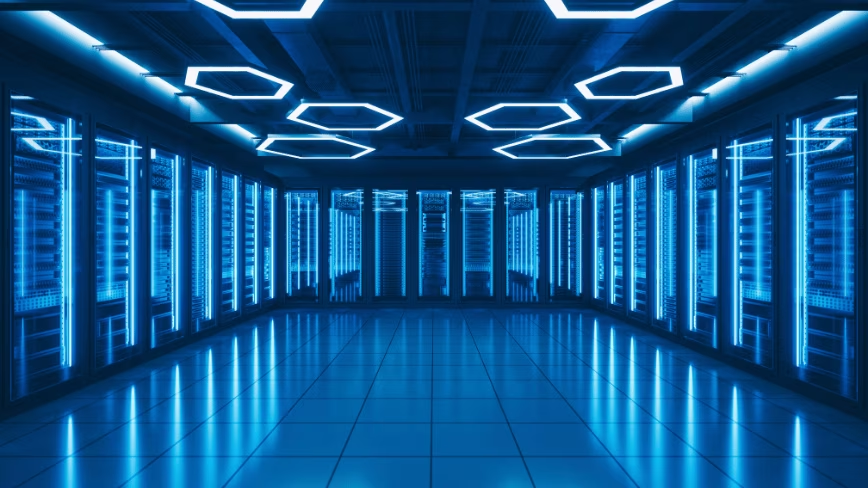
L'incidente di Almere: un monito per l'infrastruttura
Giovedì mattina, un incendio divampato in un data center ad Almere, nei Paesi Bassi, ha innescato una serie di interruzioni di servizio di vasta portata, con ripercussioni significative per la comunità locale e le infrastrutture critiche. L'evento ha messo offline un'università, compromettendo l'accesso a servizi essenziali per studenti e personale. Contemporaneamente, il sistema di comunicazione di emergenza per il trasporto pubblico nell'intera provincia del Flevoland è stato disabilitato, creando un potenziale rischio per la sicurezza e la gestione delle emergenze.
La gravità della situazione è stata tale da richiedere l'attivazione di un NL-Alert, un sistema di allarme nazionale, per avvisare i residenti del Flevoland. Per gestire l'incendio, è stato necessario l'intervento di un mezzo antincendio speciale, proveniente dall'aeroporto di Lelystad, impiegato per raffreddare un serbatoio di diesel presente nel sito. Questo incidente sottolinea in modo lampante come la dipendenza da infrastrutture fisiche esterne possa esporre organizzazioni e servizi pubblici a rischi imprevedibili e difficilmente controllabili.
Resilienza infrastrutturale e deployment on-premise
L'episodio di Almere offre un'opportunità per riflettere sulla resilienza delle infrastrutture digitali, un aspetto fondamentale per qualsiasi organizzazione che gestisca carichi di lavoro critici, inclusi i Large Language Models (LLM). Per le aziende che valutano il deployment di LLM, la scelta tra soluzioni cloud e self-hosted, o on-premise, è spesso dettata non solo da considerazioni di costo e performance, ma anche dalla necessità di garantire continuità operativa e sovranità dei dati.
Un data center on-premise, sebbene richieda un investimento iniziale e competenze interne per la gestione, offre un controllo diretto sull'ambiente fisico e logico. Questo include la possibilità di implementare protocolli di sicurezza fisica robusti, sistemi di alimentazione ridondanti, soluzioni di raffreddamento avanzate e piani di disaster recovery personalizzati. L'incendio di Almere evidenzia che anche le infrastrutture di terze parti, percepite come “problema di qualcun altro”, sono soggette a guasti fisici con conseguenze a cascata.
Implicazioni per la sovranità dei dati e il TCO
Le interruzioni causate dall'incendio di Almere hanno implicazioni dirette per la sovranità dei dati e il Total Cost of Ownership (TCO) delle soluzioni tecniciche. Affidarsi a data center esterni significa delegare la responsabilità della sicurezza fisica e della continuità operativa, con il rischio che eventi imprevisti possano compromettere l'accesso a dati sensibili o a servizi essenziali. Per settori come quello finanziario, sanitario o governativo, dove la compliance normativa e la protezione dei dati sono prioritarie, la perdita di controllo fisico può rappresentare un rischio inaccettabile.
Dal punto di vista del TCO, sebbene le soluzioni cloud possano sembrare più convenienti a breve termine, eventi come quello di Almere possono generare costi indiretti elevatissimi: perdita di produttività, danni reputazionali, sanzioni per mancata compliance e costi per il ripristino dei servizi. La valutazione del TCO per i deployment di LLM deve quindi considerare non solo i costi diretti di hardware e licenze, ma anche i costi associati ai rischi operativi e alla potenziale perdita di controllo. Per chi valuta deployment on-premise, AI-RADAR offre framework analitici su /llm-onpremise per valutare questi trade-off in modo approfondito.
Prospettive future: il valore del controllo
L'incendio nel data center di Almere serve da potente promemoria che l'infrastruttura fisica rimane un pilastro fondamentale del mondo digitale. Le organizzazioni, in particolare quelle che si affidano a tecnicie emergenti come gli LLM per operazioni critiche, devono affrontare la questione della resilienza e del controllo con la massima serietà. La scelta di un deployment on-premise, air-gapped o ibrido, pur presentando le proprie sfide, offre un livello di controllo e sicurezza che le soluzioni completamente esternalizzate non possono sempre garantire.
In un'era in cui la dipendenza dai servizi digitali è sempre più profonda, la capacità di mantenere operativi i propri sistemi, anche di fronte a eventi imprevisti, diventa un fattore competitivo e di sicurezza nazionale. L'incidente di Almere rafforza l'argomento per un'attenta pianificazione infrastrutturale, dove la resilienza non è un optional, ma un requisito imprescindibile per la continuità operativa e la protezione dei dati.







💬 Commenti (0)
🔒 Accedi o registrati per commentare gli articoli.
Nessun commento ancora. Sii il primo a commentare!