La vulnerabilità delle infrastrutture sottomarine e l'impatto sull'AI
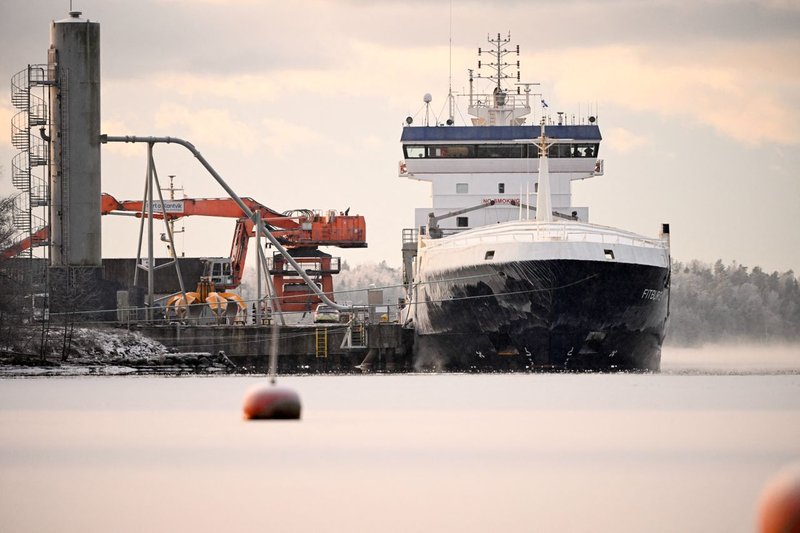
Recenti sviluppi in Finlandia hanno portato all'accusa del capitano e di un membro dell'equipaggio di una nave russa, sospettati di aver danneggiato cavi sottomarini vitali nel Mar Baltico. Le autorità finlandesi hanno rivelato che la nave avrebbe avuto ulteriori otto obiettivi prima di essere fermata dalla guardia costiera. Questo episodio, sebbene specifico per un contesto geopolitico, solleva interrogativi fondamentali sulla resilienza delle infrastrutture digitali globali e sulle loro implicazioni per settori strategici come l'intelligenza artificiale.
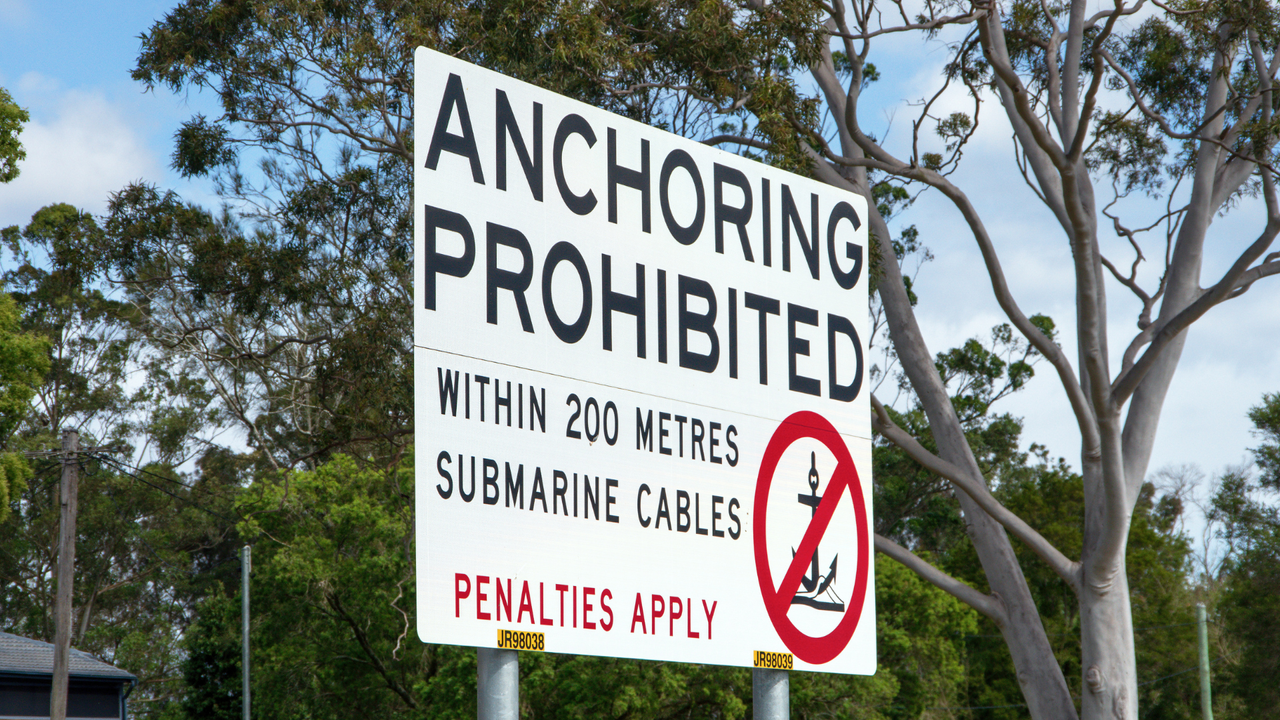
I cavi sottomarini costituiscono la spina dorsale della connettività internet mondiale, trasportando la quasi totalità del traffico dati intercontinentale. Un loro danneggiamento può causare interruzioni significative, rallentamenti e, nei casi più gravi, isolamento digitale per intere regioni. Per le organizzazioni che dipendono da servizi cloud per i loro Large Language Models (LLM) o per carichi di lavoro di training e Inference intensivi, la stabilità di questa infrastruttura fisica è un prerequisito non negoziabile.
Sovranità dei dati e resilienza operativa nell'era degli LLM
L'incidente finlandese evidenzia come la dipendenza da infrastrutture globali condivise possa esporre le operazioni a rischi esterni, siano essi accidentali o intenzionali. Per CTO, DevOps lead e architetti di infrastruttura, questo scenario rafforza l'argomento a favore di strategie di deployment che prioritizzino la sovranità dei dati e la continuità operativa. La scelta tra un approccio cloud-first e un deployment on-premise o ibrido diventa cruciale.
Un'infrastruttura self-hosted, ad esempio, può offrire un maggiore controllo sui dati e sui processi, riducendo la dipendenza da collegamenti esterni potenzialmente vulnerabili. Questo è particolarmente rilevante per settori con stringenti requisiti di compliance o per ambienti air-gapped. Sebbene il deployment on-premise comporti considerazioni sul Total Cost of Ownership (TCO) e sulla gestione dell'hardware, come la VRAM delle GPU per l'Inference di LLM, offre un livello di resilienza e controllo che le soluzioni cloud pure potrebbero non garantire in scenari di interruzione della connettività.
Valutare i trade-off: on-premise vs. cloud per la continuità AI
La decisione di adottare un'infrastruttura on-premise per i carichi di lavoro AI non è priva di complessità. Richiede investimenti iniziali significativi in hardware, come server dotati di GPU ad alta capacità (es. A100 80GB o H100 SXM5), e competenze interne per la gestione e la manutenzione. Tuttavia, offre vantaggi in termini di latenza ridotta, throughput elevato e, soprattutto, un controllo diretto sulla sicurezza e sulla localizzazione dei dati.
Al contrario, le soluzioni cloud offrono scalabilità e flessibilità, ma la loro efficacia è intrinsecamente legata alla stabilità della connettività di rete. Un'interruzione dei cavi sottomarini può rendere inaccessibili i servizi cloud, bloccando operazioni critiche di training o Inference. Per chi valuta deployment on-premise, AI-RADAR offre framework analitici su /llm-onpremise per valutare i trade-off tra CapEx e OpEx, i requisiti di VRAM e le implicazioni per la sovranità dei dati, aiutando a definire la strategia più adatta alle proprie esigenze di resilienza.
Prospettive future: resilienza e strategie ibride
L'incidente nel Mar Baltico serve da monito per tutte le organizzazioni che dipendono dalla connettività globale per le loro operazioni AI. La protezione delle infrastrutture critiche, sia fisiche che digitali, è un tema sempre più centrale. Le strategie ibride, che combinano la flessibilità del cloud per carichi di lavoro non sensibili con la robustezza e il controllo dell'on-premise per dati e modelli critici, potrebbero rappresentare la via più equilibrata per affrontare queste sfide.
Investire in soluzioni che garantiscano la continuità operativa e la sovranità dei dati non è più solo una questione di efficienza, ma di sicurezza strategica. La capacità di mantenere operativi i propri LLM e le pipeline di AI, anche di fronte a interruzioni esterne, diventerà un fattore distintivo per la resilienza aziendale.








💬 Commenti (0)
🔒 Accedi o registrati per commentare gli articoli.
Nessun commento ancora. Sii il primo a commentare!