Allegations of Illicit Nvidia H100 GPU Shipments
A recent report has brought to light serious allegations concerning the shipment of Nvidia AI Graphics Processing Units (GPUs), specifically the Hopper H100 models, to China. According to investigations, executives with ties to Supermicro allegedly orchestrated these shipments using a Thai government entity as an intermediary. The objective was reportedly to circumvent export restrictions imposed on advanced technological hardware.
The report further suggests that the ultimate recipient of these restricted servers was Alibaba, the Chinese web giant. This incident raises significant questions about international compliance, supply chain transparency, and the strategies adopted to acquire critical hardware for artificial intelligence development in complex geopolitical contexts.
The Strategic Value of the Nvidia Hopper H100
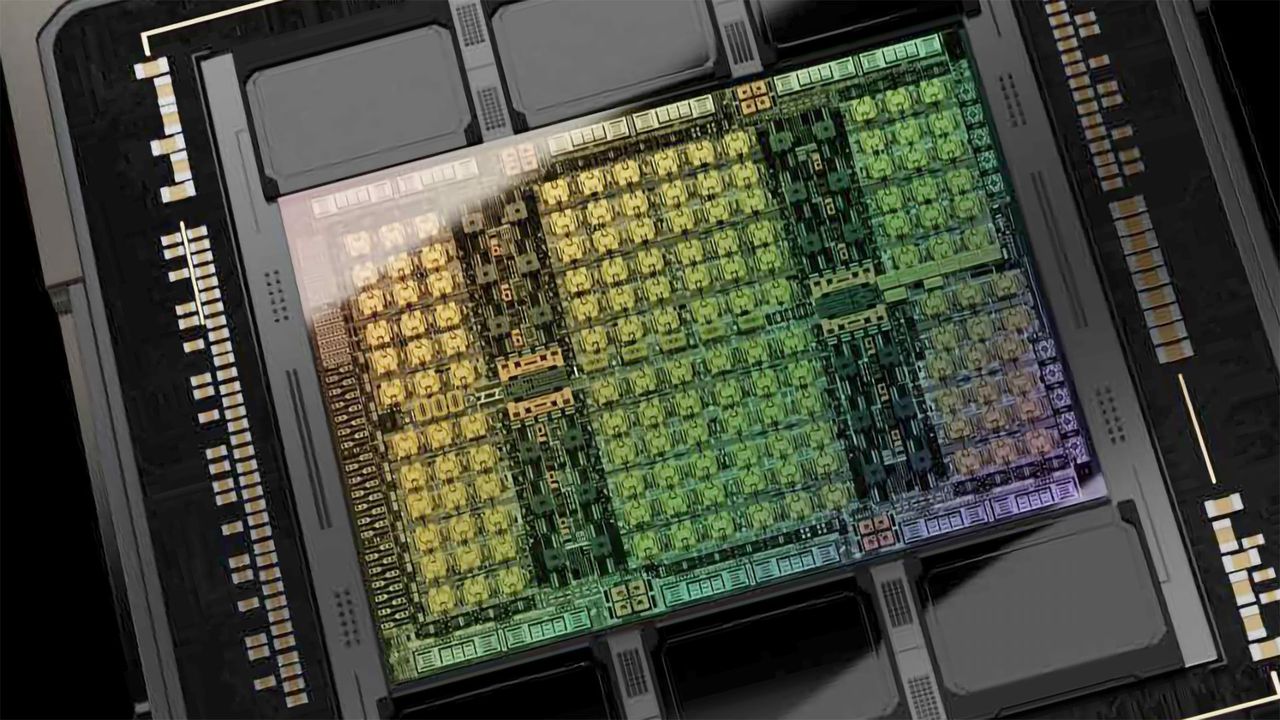
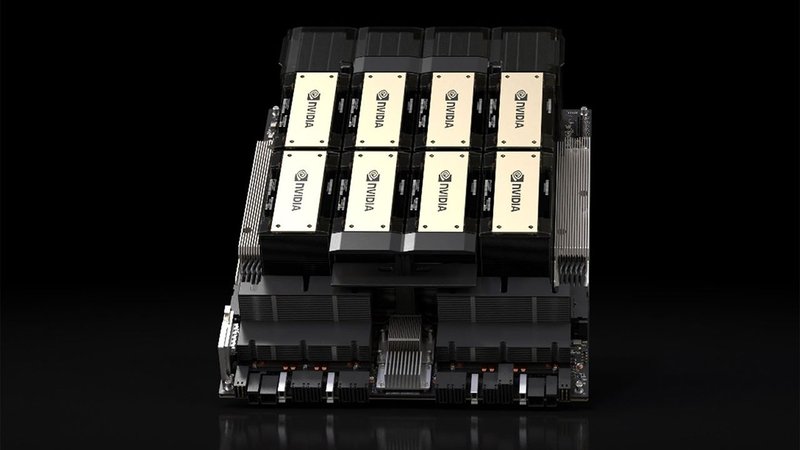
The Nvidia Hopper H100 represents one of the most advanced and powerful GPUs available on the market, specifically designed to accelerate artificial intelligence workloads, including the training and Inference of Large Language Models (LLMs). Its cutting-edge architecture offers extremely high compute capabilities and VRAM, making it indispensable for companies operating with large-scale AI models. These characteristics make it a strategic technological asset, and for this reason, it is subject to stringent export control regulations by various governments, particularly towards certain regions.
The availability of hardware like the H100 is crucial for organizations aiming to implement on-premise AI solutions, ensuring data sovereignty and complete control over their infrastructure. The ability to handle vast amounts of data and perform complex computations locally is a decisive factor for sectors such as finance, healthcare, and public administration, where security and compliance are absolute priorities. The rarity and cost of these GPUs further accentuate their strategic value in the global technological landscape.
Geopolitical Context and Implications for On-Premise Deployment
Export restrictions on advanced technologies, such as AI GPUs, are often driven by national security considerations and the desire to maintain a technological advantage. These regulations create a complex environment for global companies seeking to balance market demands with compliance obligations. For organizations evaluating the on-premise deployment of LLMs and other AI applications, the availability and access to cutting-edge hardware like the H100 are critical factors.
The difficulty in legally procuring such components can push some entities to seek alternative channels, as suggested by the report. This scenario highlights the trade-offs companies must face: on one hand, the need for computing power to remain competitive in the AI era; on the other, adherence to an evolving regulatory framework. For those evaluating on-premise deployments, AI-RADAR offers analytical frameworks on /llm-onpremise to assess trade-offs between costs, performance, and data sovereignty in an increasingly strained supply chain context.
The Challenge of Compliance and Future Outlook
The allegations of illicit shipments underscore the growing importance of due diligence and transparency in the technology supply chain. Companies must address the challenge of ensuring their partners and suppliers comply with all international regulations, especially when dealing with strategic components like AI GPUs. Violating such restrictions can lead to severe sanctions, reputational damage, and operational disruptions.
This situation highlights the tension between the global demand for AI computing capacity and technological control policies. In the future, it is likely that export regulations for AI hardware will become even more stringent, making it essential for companies to invest in resilient and compliant procurement strategies. The ability to navigate this complex landscape will be a key factor for success in the artificial intelligence sector.





💬 Comments (0)
🔒 Log in or register to comment on articles.
No comments yet. Be the first to comment!