
India: AI Infrastructure Grows with Meta, Reliance, and Anthropic
The Indian subcontinent is emerging as a strategic hub for artificial intelligence development and deployment, with several initiatives shaping its technological future. Among the most significant are collaborations between global giants and local players, aiming to strengthen infrastructure capabilities and the adoption of Large Language Models (LLMs) in the country. These movements reflect a global trend towards localizing AI resources and managing data sovereignty, crucial aspects for companies evaluating on-premise or hybrid deployment strategies.
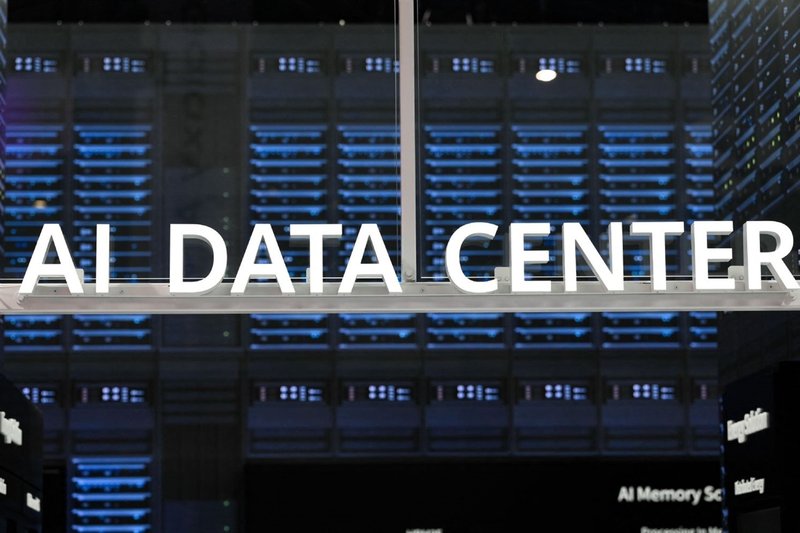
AI Data Centers: The Push from Meta and Reliance
A particularly noteworthy initiative is the partnership between Meta and Reliance Industries for the creation of dedicated AI data centers in India. This type of collaboration highlights the need for robust and specialized infrastructure to support the intensive workloads required by AI, particularly for LLM training and inference. Building AI data centers involves significant investments in high-performance hardware, such as state-of-the-art GPUs with high VRAM and computing capabilities, as well as advanced cooling and power systems. For companies considering self-hosted deployment, the availability of such local infrastructure can reduce latency, improve compliance, and offer greater control over data, which are fundamental aspects for security and governance.
Anthropic and TCS: Expanding Enterprise LLMs
Concurrently, the LLM sector is witnessing an important alliance between Anthropic, a leading AI model developer, and Tata Consultancy Services (TCS), an IT services giant. This partnership aims to facilitate the integration and adoption of Anthropic's models within large organizations. For businesses, access to advanced LLMs through an integration partner like TCS can accelerate the development of customized AI applications, improving operational efficiency and innovation. However, implementing LLMs in enterprise contexts raises critical deployment questions. Many companies, especially in regulated sectors, prefer on-premise or air-gapped solutions to maintain full control over sensitive data and ensure regulatory compliance, balancing the benefits of AI with security and privacy requirements.
Context and Implications for AI Deployment
These developments in India are part of a broader context of redefining technology supply chains and increasing attention to data sovereignty. The choice between cloud and on-premise deployment for AI workloads is a strategic decision that impacts Total Cost of Ownership (TCO), flexibility, and security. While the cloud offers immediate scalability, self-hosted solutions can provide granular control over hardware, data, and long-term operational costs, especially for stable and predictable workloads. The availability of local AI data centers, such as those planned by the Meta-Reliance collaboration, can make the on-premise option even more attractive for Indian companies, reducing dependence on external infrastructure and mitigating risks related to global supply chain disruptions. For those evaluating on-premise deployment, AI-RADAR offers analytical frameworks on /llm-onpremise to assess specific trade-offs related to hardware, software, and infrastructure requirements.








💬 Comments (0)
🔒 Log in or register to comment on articles.
No comments yet. Be the first to comment!