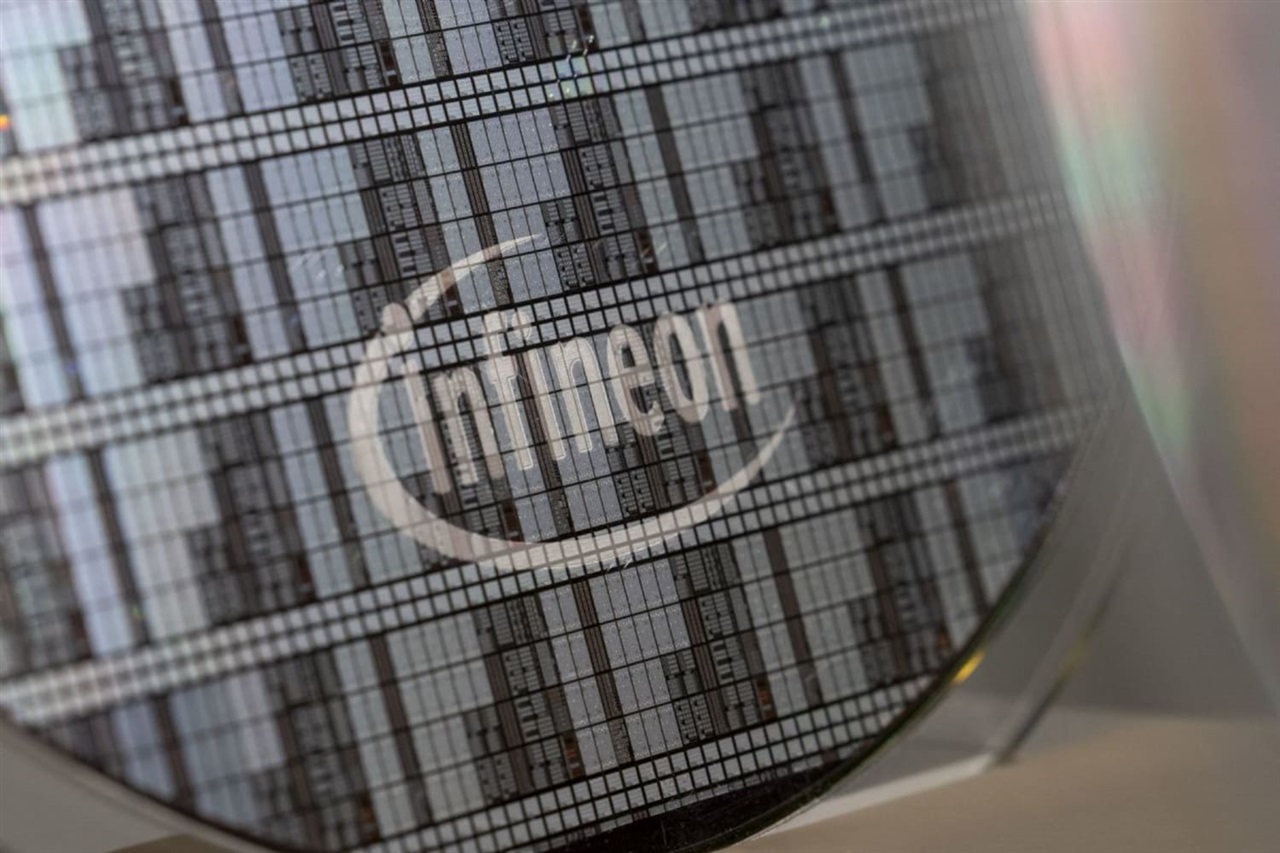
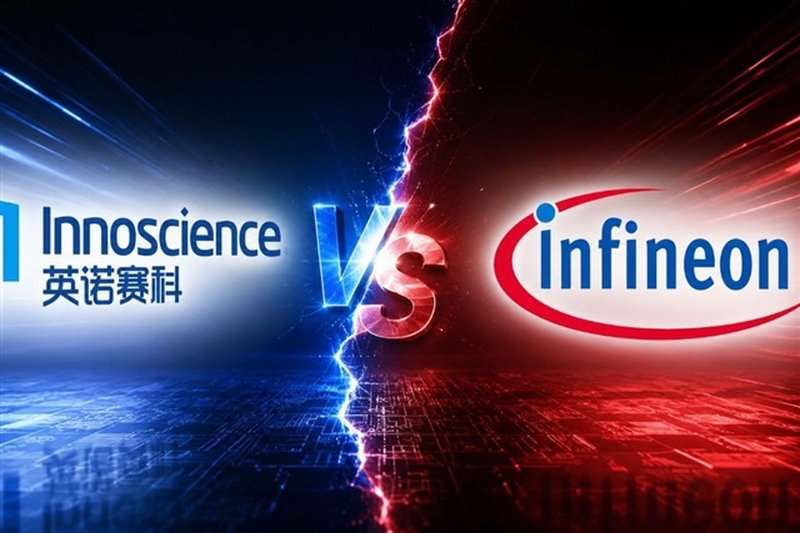
No detailed official statements will come, but the message is clear: Infineon China is pushing back. After gallium nitride (GaN) based products were removed from a major electronics fair in Shanghai, the local subsidiary of the German semiconductor giant has officially reacted, without however going into the reasons for the exclusion. The news, reported exclusively by DIGITIMES, opens a window on delicate balances: on one hand the race for GaN technology for efficient power delivery, on the other the geopolitical frictions that are redrawing the hardware maps for artificial intelligence.
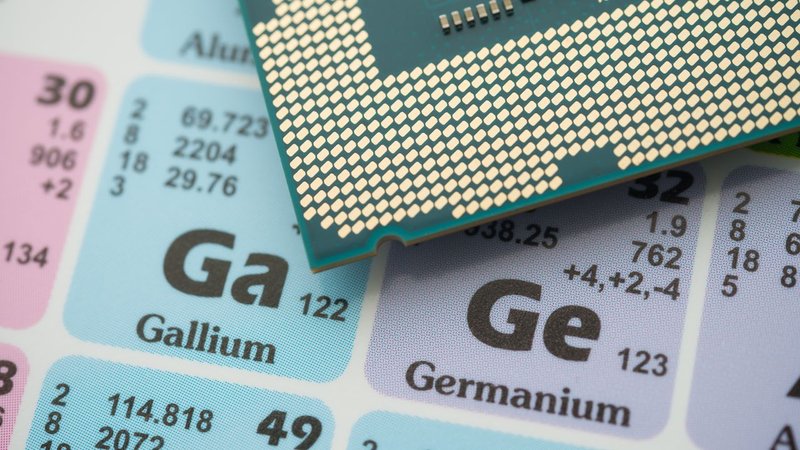
GaN is a wide-bandgap semiconductor that is transforming the way energy is converted and distributed in electronic systems. Compared to traditional silicon, it offers lower switching losses, higher operating frequencies and compact form factors. In data centers that train and serve LLMs, energy efficiency is not a luxury: it is a determining factor for TCO. Increasingly dense racks, power-hungry GPUs and on-premise infrastructures demanding operational continuity push designers towards GaN-based power supplies, capable of cutting consumption and reducing dissipated heat.
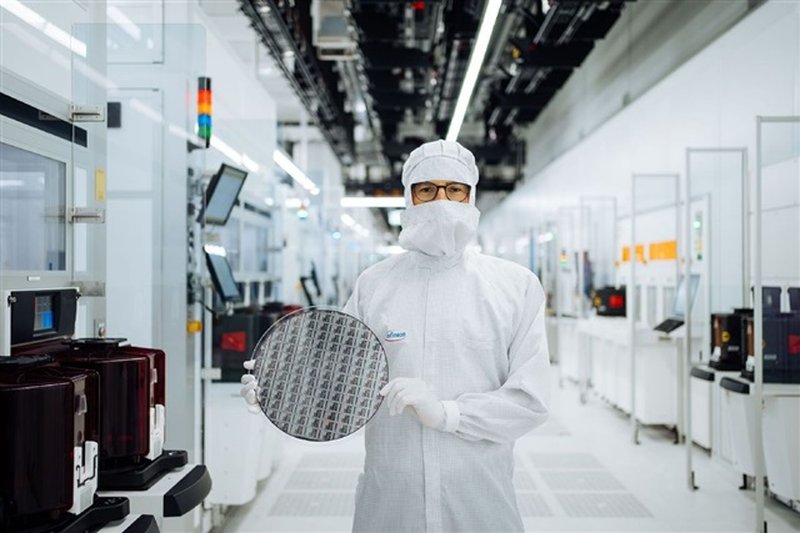
In this scenario, Infineon is one of the reference suppliers, with a line of HEMT transistors and power integrated circuits covering various voltage classes. The decision to remove those components from a trade show stage is not just a commercial setback: it signals how power components have become a strategic battleground. Those building private infrastructures for on-premise inference know well that every watt saved on power is a watt gained for compute workloads, not to mention cooling constraints and the efficiency certifications required in regulated environments.
The episode fits into a broader picture of supply chain reorganization, where technological sovereignty and intellectual property control weigh as much as electrical specifications. For those now evaluating on-premise deployment of AI systems, the availability of GaN components and the solidity of supply chains become variables to monitor carefully, alongside the usual inference performance benchmarks. Infineon China's reaction, albeit within the limits of a concise statement, confirms that the industry does not intend to passively accept rules imposed by external logics, be they commercial or political.





💬 Comments (0)
🔒 Log in or register to comment on articles.
No comments yet. Be the first to comment!