
Infineon and the EU Chips Act: A New Production Hub in Dresden
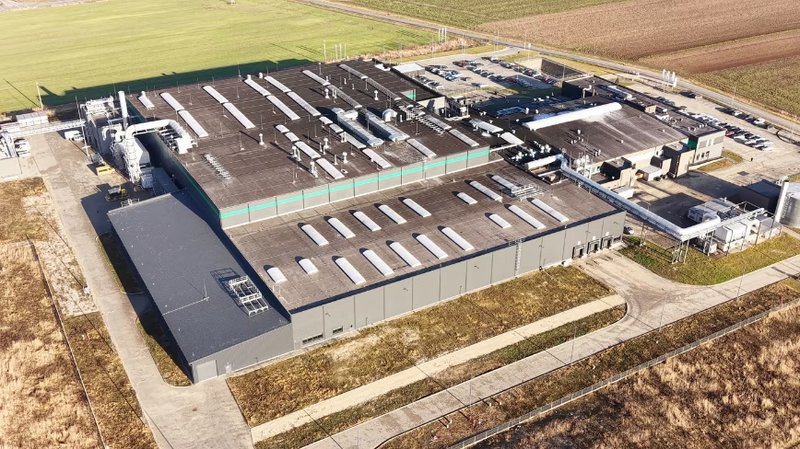
Infineon Technologies is preparing to inaugurate its "Smart Power Fab" in Dresden on July 2. This state-of-the-art facility represents the largest single investment in the company's history, with a total value of €5 billion. This new semiconductor factory is not only a milestone for Infineon but also an emblematic success for the EU Chips Act, which contributed approximately €1 billion in subsidies to the project. The initiative underscores the European Union's commitment to strengthening its chip production capacity, a strategic sector for the continent's technological autonomy.
The factory will be dedicated to producing power semiconductors, fundamental components used across a wide range of high-tech sectors. These include AI data centers, electric vehicles, and renewable energy systems. The availability of these components is crucial for the efficiency and performance of infrastructures powering digital transformation and energy transition, with direct implications for the competitiveness and sustainability of European businesses.
The Strategic Role of Power Semiconductors for On-Premise AI
The power semiconductors produced in Dresden are key elements for the efficiency of modern data centers, especially those dedicated to Large Language Models (LLM) workloads and other artificial intelligence applications. These components manage power conversion and distribution within servers and Graphics Processing Units (GPUs), ensuring that systems receive the necessary power stably and efficiently. For companies evaluating on-premise deployment of AI infrastructures, the reliability and energy efficiency of these semiconductors directly translate into a significant impact on the Total Cost of Ownership (TCO).
A self-hosted AI infrastructure requires careful planning in terms of energy consumption and heat dissipation. Advanced power semiconductors can reduce energy losses, optimizing operational costs and contributing to a smaller carbon footprint. This aspect is particularly relevant for CTOs and infrastructure architects who must balance performance, costs, and environmental sustainability when designing local stacks for AI model inference and training.
Implications for Data Sovereignty and the Supply Chain
The opening of a factory of this scale in Europe has significant implications for data sovereignty and the resilience of the technological supply chain. The ability to produce power semiconductors locally reduces dependence on external suppliers, mitigating risks associated with supply chain disruptions and geopolitical tensions. For organizations operating in regulated sectors or handling sensitive data, the availability of components produced in Europe can strengthen confidence in the security and compliance of their AI infrastructures.
AI-RADAR has consistently highlighted the importance of carefully evaluating the trade-offs between cloud solutions and on-premise deployments, especially concerning data control and regulatory compliance. The increased availability of locally produced key hardware and components can make the self-hosted option even more attractive for companies prioritizing data sovereignty and the ability to operate in air-gapped environments. For those evaluating on-premise deployments, analytical frameworks are available at /llm-onpremise to help define the most suitable strategy.
Future Prospects for the European Tech Ecosystem
Infineon's investment in Dresden is part of a broader context of European efforts to strengthen its position in the semiconductor sector. The EU Chips Act aims to double the European Union's market share in global chip production by 2030, from the current 10% to 20%. Projects like Infineon's "Smart Power Fab" are concrete steps towards achieving this ambitious goal.
The production of power semiconductors, in particular, is crucial for key sectors such as automotive, Industry 4.0, and, naturally, AI infrastructure. Ensuring a stable and localized supply of these components not only supports economic growth but also strengthens Europe's strategic security in an era of increasing digitalization and reliance on technology. The opening of this factory marks an important moment for the continent's technological autonomy and the future of on-premise AI deployments.





💬 Comments (0)
🔒 Log in or register to comment on articles.
No comments yet. Be the first to comment!