
Innodisk: Ricavi Record nel Primo Trimestre, Crescita Quadruplicata a Marzo
Innodisk, azienda leader nelle soluzioni di memoria e storage industriali, ha annunciato un significativo incremento dei propri ricavi. A marzo, l'azienda ha registrato una crescita quadruplicata rispetto al mese precedente, un risultato che ha contribuito a un primo trimestre da record nella sua storia operativa. Questo dato, riportato da DIGITIMES e confermato dal presidente Randy Chien, sottolinea una fase di forte espansione per il produttore di componenti critici per l'infrastruttura tecnicica.
La performance finanziaria di Innodisk riflette una domanda robusta per le soluzioni di memoria e storage ad alte prestazioni e affidabilità. In un mercato in rapida evoluzione, dove la necessità di elaborare e archiviare grandi volumi di dati è in costante aumento, le aziende come Innodisk giocano un ruolo fondamentale nel fornire i mattoni essenziali per le infrastrutture moderne, in particolare quelle dedicate all'intelligenza artificiale e all'edge computing.
Il Contesto del Mercato e la Domanda di Componenti Robusti
L'eccezionale crescita di Innodisk si inserisce in un contesto di mercato caratterizzato da una crescente adozione di tecnicie avanzate, tra cui i Large Language Models (LLM) e l'AI generativa. Questi carichi di lavoro richiedono non solo potenza di calcolo, ma anche soluzioni di storage e memoria estremamente performanti e resilienti. Le soluzioni industriali, come quelle offerte da Innodisk, sono progettate per operare in ambienti critici, garantendo integrità dei dati e longevità anche in condizioni estreme.
La spinta verso deployment on-premise e self-hosted per i carichi di lavoro AI, motivata da esigenze di sovranità dei dati, compliance e controllo sul Total Cost of Ownership (TCO), amplifica la richiesta di hardware affidabile. Le aziende che scelgono di mantenere i propri stack AI localmente necessitano di componenti che possano sostenere operazioni continue, con requisiti specifici in termini di VRAM, throughput e resistenza all'usura, aspetti che le soluzioni industriali sono in grado di affrontare.
Implicazioni per l'Framework AI On-Premise
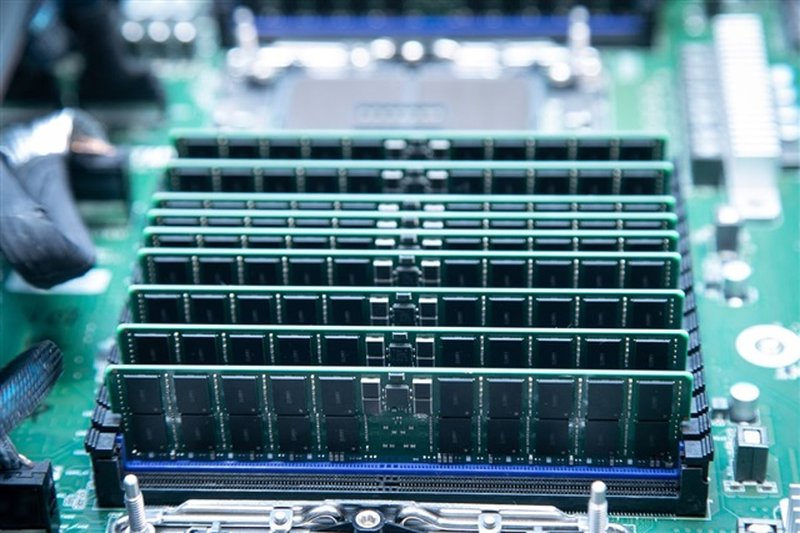
Per CTO, DevOps lead e architetti infrastrutturali che valutano l'implementazione di LLM on-premise, la disponibilità di componenti hardware robusti è un fattore chiave. La scelta di moduli DRAM e SSD industriali incide direttamente sulla stabilità e sulle performance dell'intera pipeline AI. In ambienti air-gapped o in contesti di edge computing, dove la manutenzione può essere complessa e i tempi di inattività costosi, l'affidabilità dell'hardware diventa un discriminante fondamentale.
Un'infrastruttura AI resiliente richiede non solo GPU potenti, ma anche un ecosistema di supporto che include memoria e storage capaci di gestire il flusso di dati generato da training e inference. La capacità di un'azienda come Innodisk di soddisfare questa domanda crescente suggerisce una tendenza del mercato verso l'investimento in soluzioni hardware di base che possano garantire prestazioni costanti e ridurre i rischi operativi a lungo termine. Per chi valuta deployment on-premise, AI-RADAR offre framework analitici su /llm-onpremise per valutare i trade-off tra diverse configurazioni hardware e strategie di deployment.
Prospettive e Ruolo nel Panorama Tecnologico
Il successo di Innodisk nel primo trimestre non è solo un indicatore della sua performance aziendale, ma anche un barometro della direzione che sta prendendo l'industria tecnicica. La crescente enfasi sulla resilienza, sulla sovranità dei dati e sull'efficienza operativa spinge le aziende a investire in soluzioni hardware che offrano un equilibrio tra prestazioni e affidabilità. Questo trend è particolarmente evidente nel settore dell'intelligenza artificiale, dove la complessità dei modelli e la sensibilità dei dati richiedono un controllo infrastrutturale senza compromessi.
Innodisk, con la sua specializzazione in prodotti industriali, si posiziona come un fornitore strategico per le organizzazioni che mirano a costruire infrastrutture AI robuste e a prova di futuro, sia in datacenter privati che in scenari di edge computing. La sua crescita record sottolinea l'importanza di una catena di fornitura solida e innovativa per supportare l'evoluzione delle capacità di calcolo e storage necessarie per la prossima generazione di applicazioni basate su LLM.







💬 Commenti (0)
🔒 Accedi o registrati per commentare gli articoli.
Nessun commento ancora. Sii il primo a commentare!