Intel's Vision for the Artificial Intelligence Era
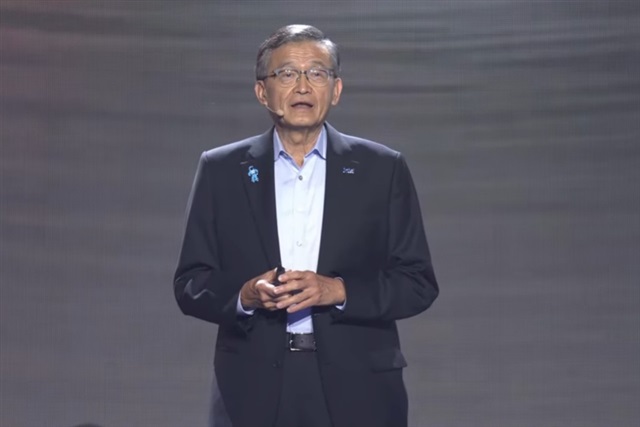
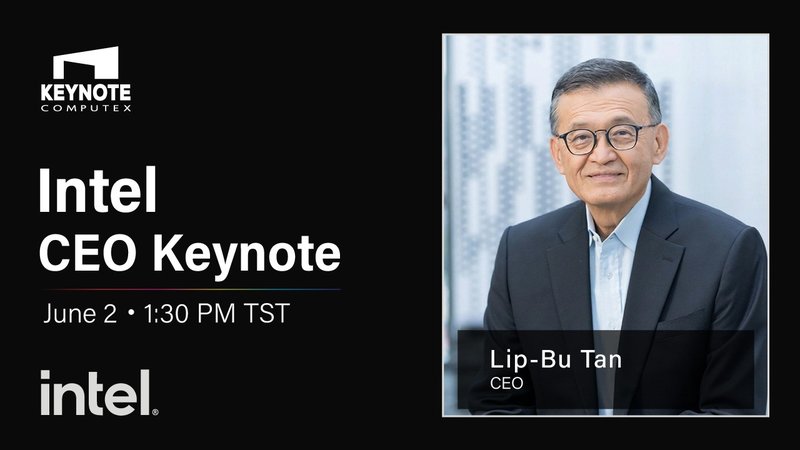
During Computex 2026, held in Taipei, Intel CEO Lip-Bu Tan outlined the company's strategy to strengthen its position in the artificial intelligence landscape. The presentation emphasized three fundamental pillars: 18A process technology, x86 architecture, and reinforced ties with Taiwan, elements that Intel considers crucial for its "comeback" in the AI sector.
This strategic vision aims to provide robust hardware and infrastructure solutions capable of supporting the growing computational demands for AI workloads, encompassing both training and Inference. For companies evaluating on-premise deployments, the stability and performance of the underlying hardware represent decisive factors in selecting technology platforms.
18A and x86 Architecture: Foundations for AI
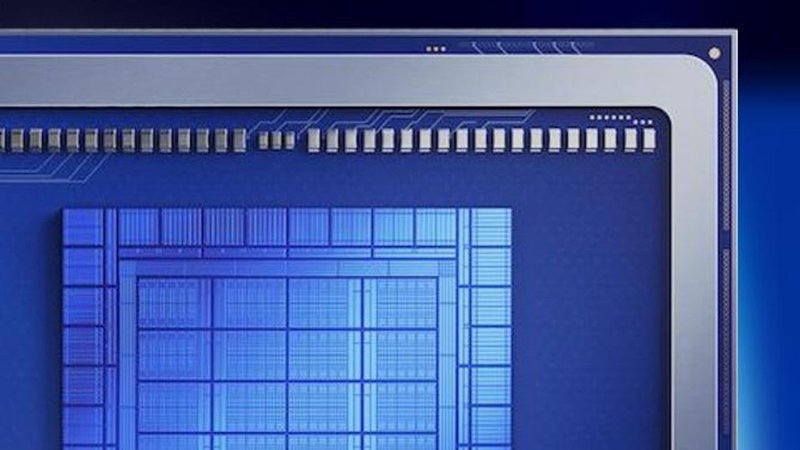
The 18A process node is a key element in Intel's technological roadmap. This advanced manufacturing technology promises significant improvements in transistor density, energy efficiency, and overall chip performance. For AI workloads, this translates into greater processing capacity per unit of power, a critical factor for managing Large Language Models (LLM) and other complex models that require substantial computational resources.
In parallel, the x86 architecture continues to be a cornerstone of Intel's offering. Despite the emergence of alternative architectures, x86 maintains a dominant position in the server and PC markets, providing a mature software ecosystem and broad compatibility. For AI implementations, particularly those self-hosted or in air-gapped environments, the flexibility and familiarity of x86 can simplify Deployment and infrastructure management, reducing learning curves and associated operational costs.
The Strategic Importance of Ties with Taiwan
Intel's ties with Taiwan were highlighted as a strategic factor. Taiwan is a global hub for semiconductor manufacturing, hosting some of the leading foundries and component suppliers. Strengthening these partnerships is essential to ensure supply chain resilience, an increasingly critical aspect in a volatile geopolitical context.
For organizations planning significant investments in on-premise AI infrastructure, certainty in hardware availability and delivery stability are paramount. Intel's ability to ensure a steady flow of components, supported by strong relationships with Taiwanese partners, can directly influence the Total Cost of Ownership (TCO) and long-term planning of AI projects, guaranteeing data sovereignty and control over the entire pipeline.
Outlook and Trade-offs for AI Infrastructures
The strategy outlined by Intel at Computex 2026 underscores the company's commitment to competing in the artificial intelligence arena through silicon and architectural innovation. For CTOs, DevOps leads, and infrastructure architects, these directions indicate future options for building local AI stacks.
The choice between different architectures and process nodes always involves a thorough analysis of trade-offs between performance, energy efficiency, initial (CapEx) and operational (OpEx) costs. Solutions based on x86 and advanced processes like 18A offer a path for those seeking control and customization in their self-hosted environments. For those evaluating on-premise deployment, AI-RADAR offers analytical frameworks on /llm-onpremise to assess these trade-offs, helping to make informed decisions that balance computational needs with budget and compliance constraints.



💬 Comments (0)
🔒 Log in or register to comment on articles.
No comments yet. Be the first to comment!