Un Nuovo Processore Desktop per il Mercato Linux
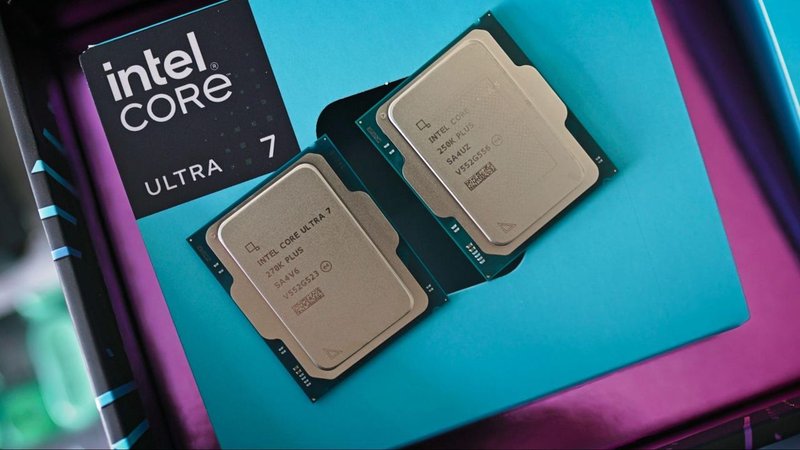
Intel ha ampliato la sua offerta di processori desktop con il lancio del Core Ultra 5 250K Plus, un'unità che si posiziona come una proposta di valore all'interno della più recente architettura Arrow Lake. Questo nuovo chip segue l'introduzione del Core Ultra 7 270K Plus, esaminato in precedenza, e mira a consolidare la presenza di Intel nel segmento delle CPU ad alte prestazioni per desktop.
Con un prezzo di vendita di soli 219 dollari, il Core Ultra 5 250K Plus si distingue per la sua accessibilità. Questa strategia di prezzo lo rende un'opzione particolarmente attraente per una vasta gamma di utenti, in particolare quelli che operano su sistemi Linux e cercano soluzioni hardware efficienti senza un investimento iniziale elevato.
Posizionamento e Implicazioni per i Deployment Locali
Il suffisso "K Plus" nella denominazione del processore suggerisce caratteristiche tipiche delle CPU sbloccate, offrendo potenzialmente maggiore flessibilità per l'overclocking e l'ottimizzazione delle prestazioni. Sebbene la fonte non fornisca dettagli specifici sulle sue capacità di calcolo per l'intelligenza artificiale, l'attenzione al mercato desktop e al sistema operativo Linux lo rende rilevante per scenari di deployment on-premise e self-hosted.
Per CTO, DevOps lead e architetti di infrastruttura, l'emergere di CPU desktop a prezzi competitivi come il Core Ultra 5 250K Plus apre nuove considerazioni. Tali processori possono servire come base per workstation di sviluppo AI locali, server per l'inference di LLM di dimensioni contenute o soluzioni edge computing, dove i requisiti di sovranità dei dati e il controllo diretto sull'hardware sono prioritari rispetto alla scalabilità massiva tipica del cloud.
Valore e Trade-off nel Contesto AI
Il concetto di "valore eccezionale" associato al Core Ultra 5 250K Plus assume un significato particolare nel panorama attuale dell'AI. Un costo di 219 dollari rappresenta un punto di ingresso estremamente basso per un processore di nuova generazione, specialmente se confrontato con il costo di GPU dedicate o con le tariffe di utilizzo delle risorse cloud. Questo può influenzare significativamente il TCO (Total Cost of Ownership) per progetti che richiedono infrastrutture locali.
Tuttavia, è fondamentale riconoscere i trade-off. Mentre una CPU desktop moderna può gestire efficacemente compiti come l'esecuzione di LLM quantizzati o l'elaborazione di dati per il fine-tuning su piccola scala, non è progettata per competere con l'accelerazione offerta da GPU di fascia alta per carichi di lavoro intensivi di training o inference su larga scala. La scelta dipenderà sempre dalle specifiche esigenze del carico di lavoro, dalla dimensione del modello e dai vincoli di budget e performance.
Prospettive per l'Framework AI Distribuita
L'introduzione di CPU come il Core Ultra 5 250K Plus rafforza l'idea di un ecosistema AI più distribuito e accessibile. Per le organizzazioni che privilegiano la sovranità dei dati, la conformità normativa o la necessità di ambienti air-gapped, soluzioni basate su hardware self-hosted diventano cruciali. Questo processore offre una base solida per costruire infrastrutture locali che possono supportare lo sviluppo e il deployment di applicazioni AI senza dipendere esclusivamente dai fornitori di servizi cloud.
AI-RADAR si concentra proprio su queste dinamiche, fornendo analisi sui deployment on-premise, sugli stack locali e sull'hardware per l'inference e il training. La valutazione di CPU desktop in questo contesto è un esempio di come le decisioni di deployment possano bilanciare costi, controllo e prestazioni, offrendo alternative concrete per chi cerca flessibilità e autonomia nella gestione dei propri carichi di lavoro AI.





💬 Commenti (0)
🔒 Accedi o registrati per commentare gli articoli.
Nessun commento ancora. Sii il primo a commentare!