Intel and Nvidia's Entry into the PC Market: Between 'Paranoia' and the Praise of x86
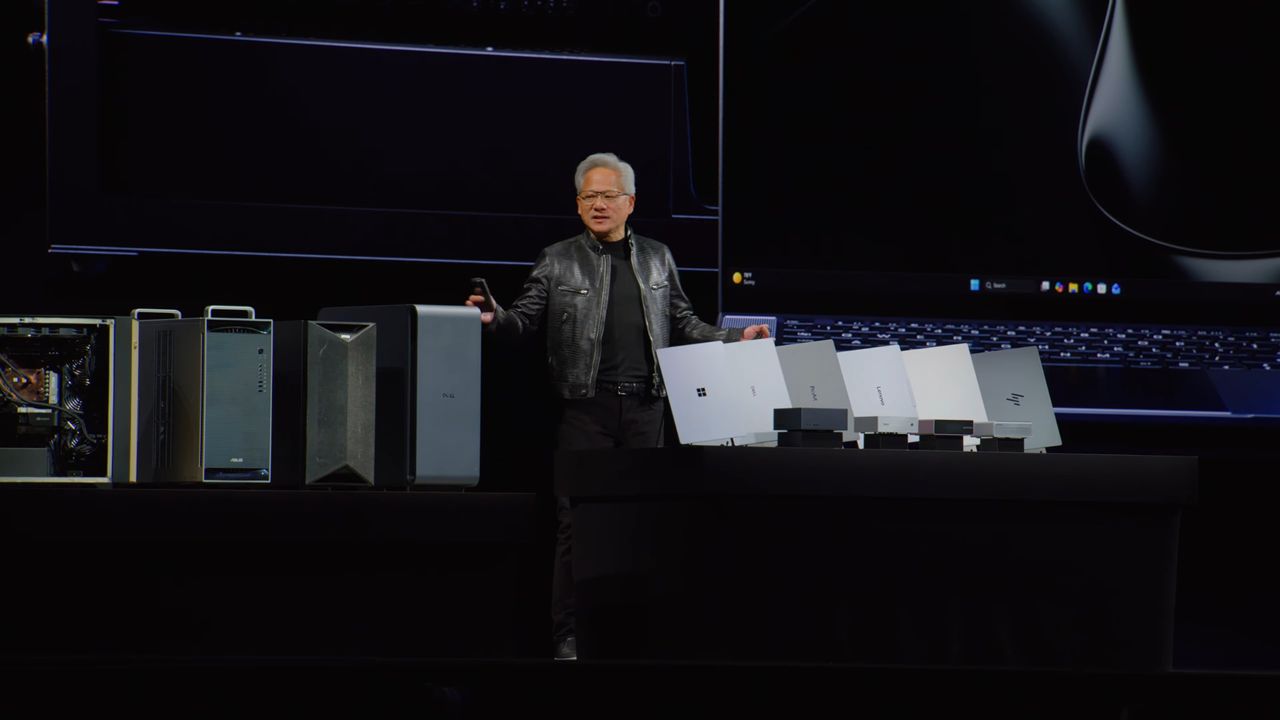
The technological landscape is constantly evolving, and competitive dynamics between industry giants often define future directions. Recently, Intel shared an interesting perspective on Nvidia's entry into the PC market, an area traditionally dominated by x86 processors. The company admitted to having 'a healthy dose of paranoia' regarding this move, while acknowledging the positive potential of initiatives like 'RTX Spark' for the entire ecosystem.
This statement is not just an admission of caution, but also reflects Intel's awareness of the growing convergence between traditional computing needs and those driven by artificial intelligence. For technical decision-makers evaluating the deployment of Large Language Models (LLM) and other AI applications, these market dynamics are fundamental, influencing hardware choices and long-term strategies for on-premise and hybrid infrastructures.
Intel's Perspective and the Strategic Role of x86
Despite the expressed 'paranoia', Intel welcomed Nvidia's 'RTX Spark' initiative as something 'great for the market'. This apparent contradiction highlights a broader vision: competition stimulates innovation and benefits consumers and businesses, offering more options and pushing performance boundaries. However, Intel promptly reiterated the 'virtues of the x86 architecture', a fundamental pillar of modern computing.
For companies implementing AI solutions, the x86 architecture remains crucial. x86 processors offer extensive flexibility and compatibility, essential for managing diverse workloads, from data pre-processing to container orchestration and operating system management. In an on-premise deployment context, existing x86 infrastructure often represents a significant investment, and its ability to integrate and support dedicated accelerators, such as GPUs, is a key factor in optimizing Total Cost of Ownership (TCO) and maximizing resource efficiency.
Implications for On-Premise Deployment and Data Sovereignty
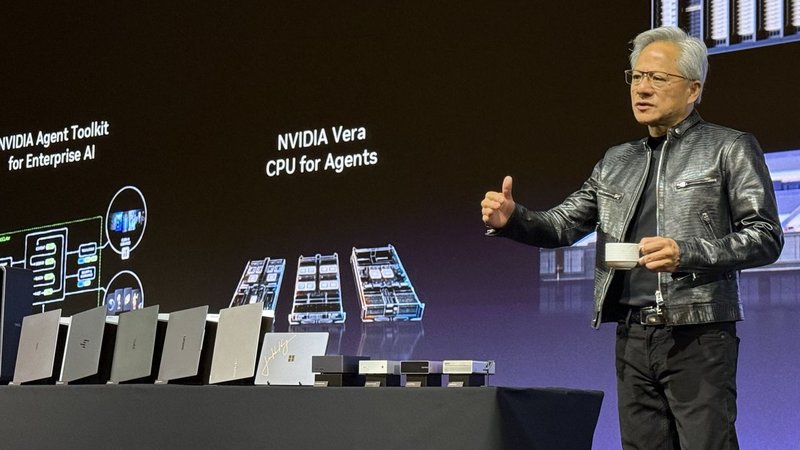
Nvidia's entry into the PC market with 'RTX Spark' and Intel's reaction highlight a clear trend: AI is becoming pervasive, requiring computing capabilities ever closer to the end-user or corporate data centers. For CTOs, DevOps leads, and infrastructure architects, this scenario necessitates a careful evaluation of hardware options for deploying LLMs and other AI applications.
The choice between solutions predominantly based on high-performance GPUs and those leveraging deeper integration with the x86 ecosystem has direct implications for VRAM, throughput, latency, and ultimately, TCO. Companies prioritizing data sovereignty, regulatory compliance (such as GDPR), and security in air-gapped environments must carefully consider how different architectures integrate into their strategy. AI-RADAR offers analytical frameworks on /llm-onpremise to help evaluate these trade-offs, providing a solid basis for informed decisions without direct recommendations.
An Evolving Market Scenario and Future Challenges
The competition between Intel and Nvidia in the PC market, accentuated by the advancement of AI, heralds an era of accelerated innovation. While Nvidia continues to dominate the GPU sector for LLM Inference and training, Intel is strengthening its offering with integrated solutions that aim to leverage its leadership in x86 architecture and CPUs. This scenario offers technical decision-makers a wider range of options, but also requires greater granularity in performance and cost analysis.
The ability to efficiently run LLMs on-premise, making the best use of both x86 CPUs and GPUs, will be a critical factor for many organizations. The challenge will be to balance the needs for computing power, energy efficiency, and architectural flexibility, while maintaining strict control over data and operational costs. The evolution of these market dynamics will continue to shape AI infrastructure investment decisions for years to come.








💬 Comments (0)
🔒 Log in or register to comment on articles.
No comments yet. Be the first to comment!