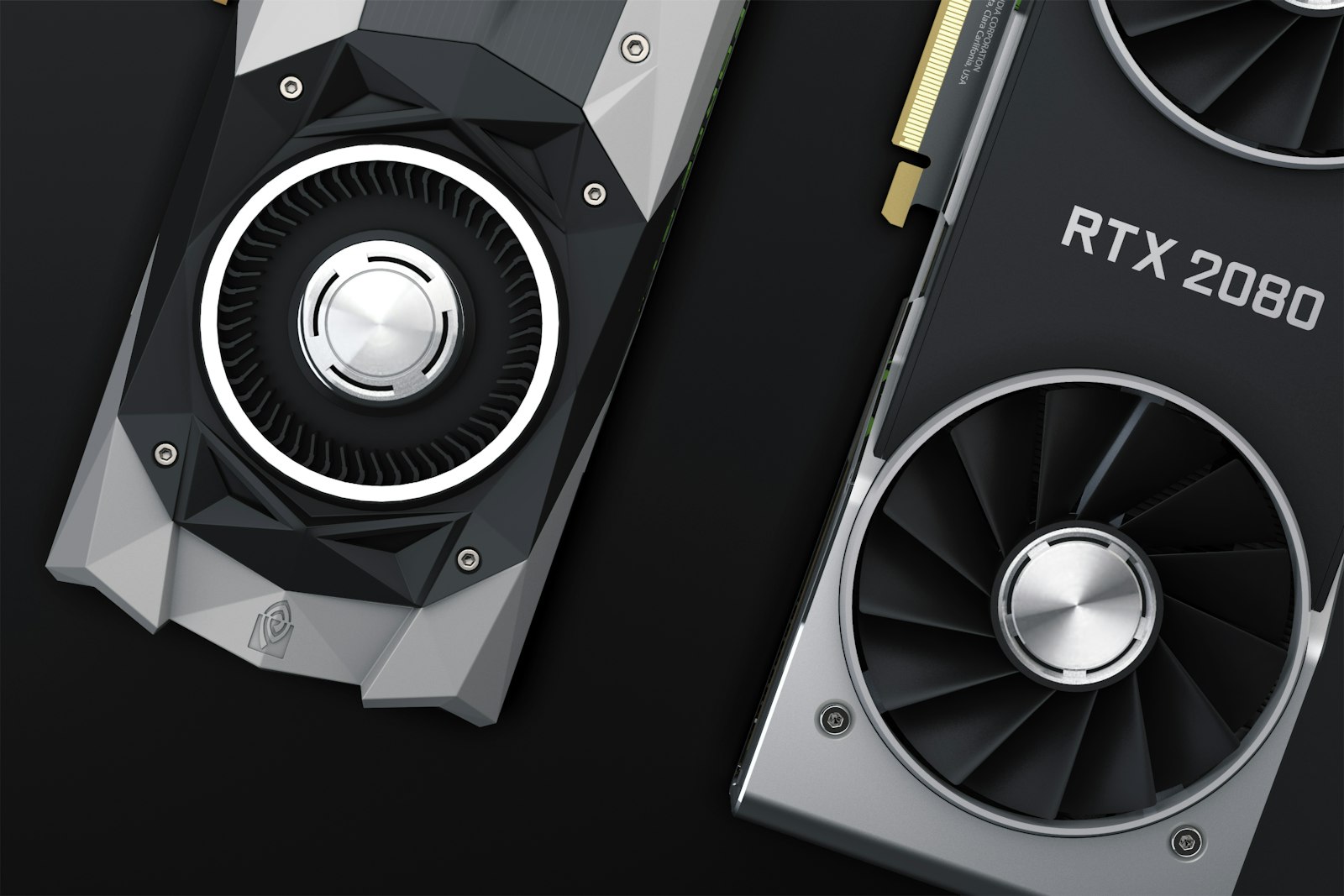
Intel EMIB-T: A New Packaging Technology for AI Accelerators
Intel is preparing for a significant step in the semiconductor industry with the introduction of its EMIB-T (Embedded Multi-die Interconnect Bridge with Through-Silicio Via) packaging technology into its production facilities. The rollout is scheduled for this year and represents a strategic response to the growing demands of the AI accelerator market, at a time when advanced packaging capacity, such as TSMC's CoWoS (Chip-on-Wafer-on-Substrate) technology, shows signs of limitation.
This move underscores Intel's commitment to strengthening its offering for artificial intelligence chips, a rapidly expanding segment. The ability to integrate multiple dies into a single package has become crucial for achieving the performance and power efficiency required by the most complex AI workloads, from Large Language Models (LLMs) to large-scale inference.
Technical Detail: The Importance of Advanced Packaging
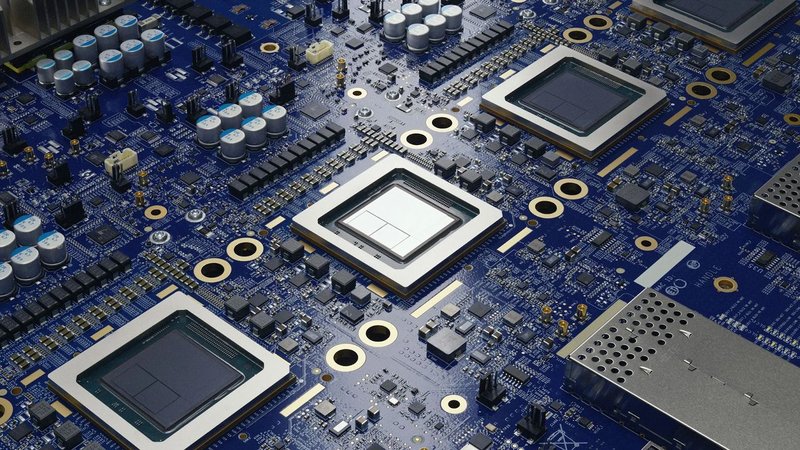
Chip packaging is as fundamental an element as the silicio design itself. It's not just about protecting the die, but about effectively interconnecting various components, such as compute cores, high-bandwidth memory (HBM), and I/O interfaces, while ensuring adequate heat dissipation. Technologies like EMIB-T and CoWoS aim to overcome the limitations of monolithic architectures, allowing the integration of multiple chiplets into a single compact package.
EMIB, Intel's precursor technology, uses a small silicio bridge to connect adjacent dies with a high density of interconnections. The addition of the '-T' (Through-Silicio Via) suffix suggests an evolution that could further improve vertical connectivity and the integration of memory stacks or other components. This approach contrasts with, or rather complements, solutions like TSMC's CoWoS, which employs a silicio interposer to connect dies, offering wide bandwidth but with high complexity and production costs, which can lead to supply chain bottlenecks.
Implications for AI Accelerators
AI accelerators, particularly those intended for training and inference of LLMs, require extremely high VRAM and exceptional memory bandwidth. Advanced packaging is key to integrating HBM modules close to compute cores, reducing latency and increasing throughput. The availability of technologies like EMIB-T can therefore have a direct impact on companies' ability to develop and deploy high-performance AI solutions.
For organizations evaluating on-premise deployment for their AI workloads, hardware selection is critical. Factors such as data sovereignty, compliance, and Total Cost of Ownership (TCO) drive towards self-hosted and bare metal solutions. In this context, the efficiency and availability of AI accelerators, directly influenced by packaging technologies, become decisive. A greater supply of advanced packaging solutions can help mitigate risks associated with reliance on a single vendor or limited production capacities. For those evaluating on-premise deployment, AI-RADAR offers analytical frameworks on /llm-onpremise to assess the trade-offs between different hardware architectures and deployment strategies.
Future Prospects and Trade-offs
The debut of EMIB-T in Intel's fabs this year not only strengthens the company's position in the AI accelerator market but also offers a potential alternative or complement to existing solutions. The diversification of advanced packaging options is a positive signal for the entire industry, which constantly seeks to overcome physical and production limits to meet the exponential demand for AI computing power.
However, each packaging technology comes with its own trade-offs in terms of cost, production complexity, yield, and thermal performance. Companies will need to carefully evaluate these variables when choosing their AI accelerators, balancing performance needs with budget and supply chain constraints. Competition and innovation in this segment are set to intensify, leading to increasingly sophisticated solutions for the age of artificial intelligence.



💬 Comments (0)
🔒 Log in or register to comment on articles.
No comments yet. Be the first to comment!