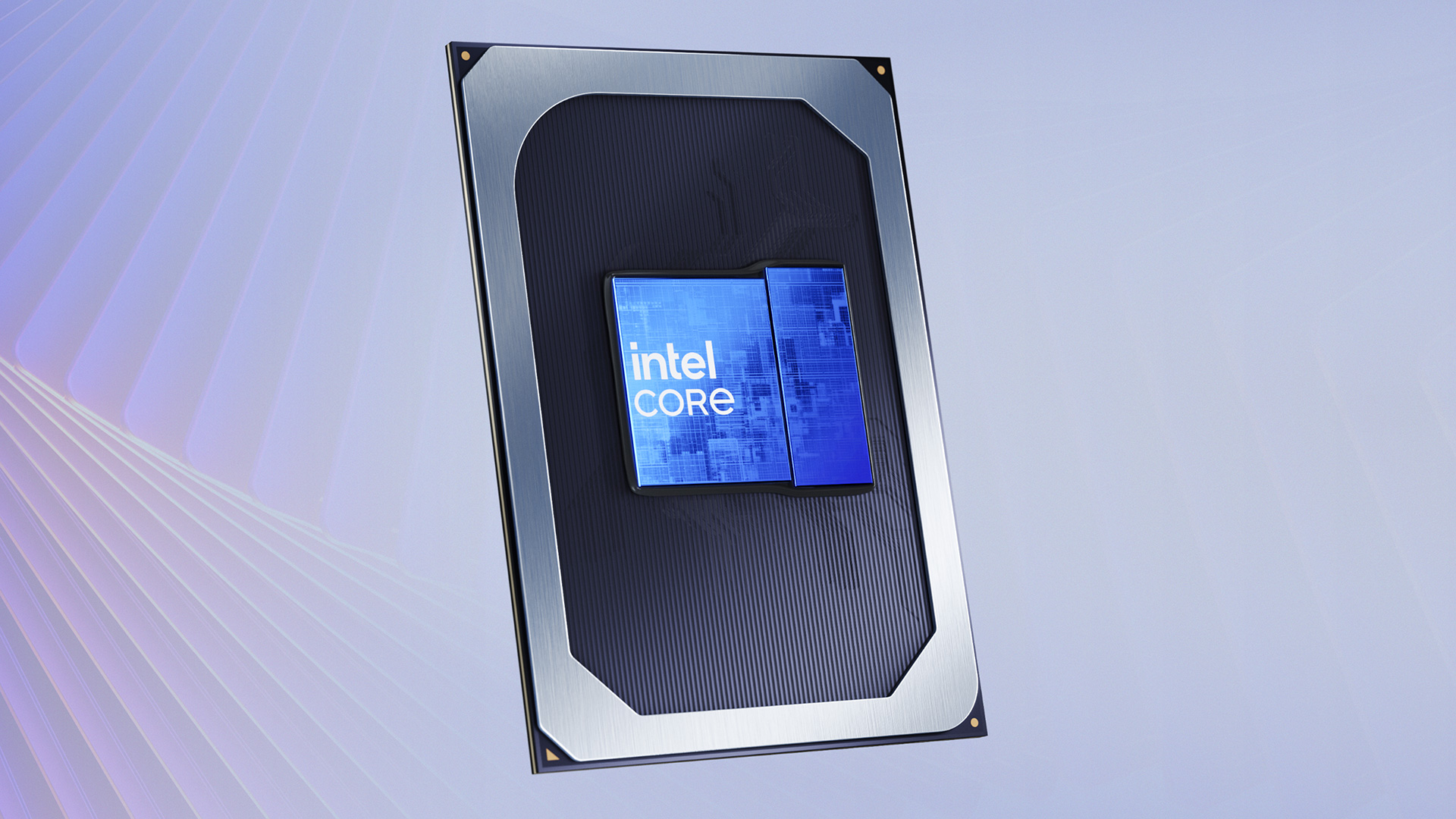
Intel Expands Mobile Offering with Core Series 3 "Wildcat Lake"
Intel has announced the expansion of its 2026 mobile processor lineup, introducing the new Core Series 3. These processors, known by the codename "Wildcat Lake," are positioned as a low-power, low-cost solution designed to broaden the company's market reach in the portable device segment. This move reflects a strategy aimed at diversifying its silicio offerings, addressing the needs of a wide range of users and applications.
The release of the Core Series 3 "Wildcat Lake" underscores Intel's commitment to providing hardware options that balance performance and accessibility. In a rapidly evolving technological landscape, where the demand for efficient computing extends from data centers to edge devices, the availability of processors optimized for specific cost and power constraints becomes crucial.
Technical Details and Market Positioning
The Core Series 3 "Wildcat Lake" processors are designed as an offshoot of the flagship Core Ultra Series 3, also known as "Panther Lake." This relationship suggests that Intel has likely adapted the core architecture of its premium offering, scaling down its capabilities to meet more stringent power consumption and cost targets. The primary target is the market for budget laptops and devices requiring low power consumption, where efficiency is often prioritized over raw computing power.
Intel's strategy with "Wildcat Lake" aims to capture a price-sensitive market segment while still offering an adequate user experience for daily tasks. This approach is common in the silicio industry, where manufacturers often create variants of their higher-performing chips to serve different segments, optimizing the cost/performance ratio for each niche.
Implications for Local Computing and Edge AI
While "Wildcat Lake" processors are intended for low-cost laptops, their focus on low power and cost has significant implications for the landscape of local computing and Edge AI. For organizations evaluating the deployment of AI workloads, the availability of efficient silicio at the client or edge device level can influence decisions regarding TCO and data sovereignty. Running LLM Inference or smaller models directly on local devices, rather than relying exclusively on the cloud, can reduce latency and long-term operational costs.
This type of hardware is crucial for scenarios where data privacy is critical, enabling "air-gapped" processing or processing closer to the data source. The ability to run AI models with more modest VRAM and throughput requirements on low-cost hardware opens up new possibilities for distributed applications, from predictive maintenance in factories to customer support on personal devices, without the need for constant connections or expensive cloud resources.
Future Outlook and Trade-offs in AI Deployment
The introduction of processors like the Core Series 3 "Wildcat Lake" highlights a broader trend in the industry: the need for specialized silicio for every type of workload. For technical decision-makers, choosing hardware for AI projects is never a matter of "best" in absolute terms, but rather finding the right balance between performance, TCO, power consumption, and deployment constraints. Low-power processors may not offer the raw power needed for training large LLM, but they excel at optimized model Inference at scale, especially in distributed environments.
For those evaluating on-premise or hybrid deployments, AI-RADAR offers analytical frameworks on /llm-onpremise to assess the trade-offs between different hardware architectures and deployment strategies. Intel's diversification of its offerings, with solutions ranging from high-performance chips to low-cost models, reflects the complexity of market needs, where each hardware solution comes with a unique set of constraints and opportunities.





💬 Comments (0)
🔒 Log in or register to comment on articles.
No comments yet. Be the first to comment!