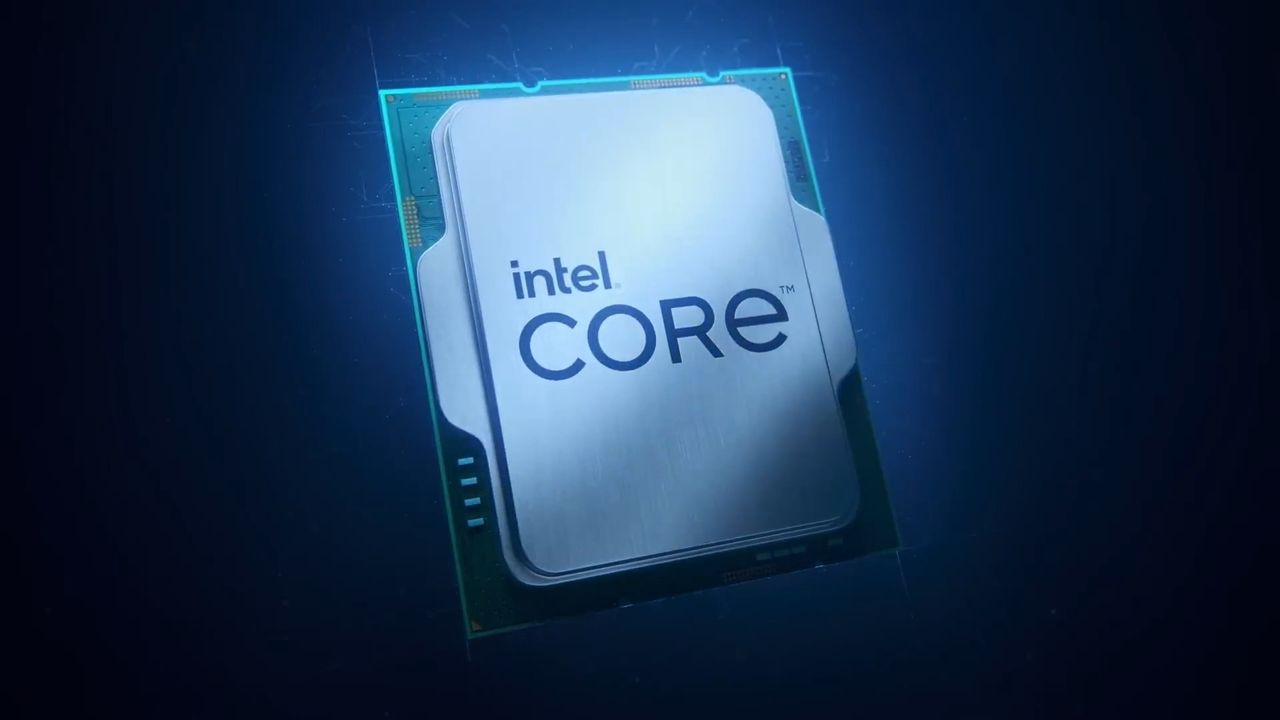
The Next Chapter in Intel Processors: Raptor Lake Next
The hardware landscape for artificial intelligence and Large Language Models (LLMs) is constantly evolving, and CPUs continue to play a fundamental role, especially in on-premise deployment scenarios. Recent reports highlight 'Raptor Lake Next', the next iteration of Intel processors, which is anticipated as a refresh of the Core 200 series. These new CPUs are set to consolidate Intel's offering in the desktop segment, providing computing options that can be integrated into local stacks for AI model inference or for managing complex data pipelines.
For companies prioritizing data sovereignty and control over infrastructure, processor choice is a key element. The ability to run AI workloads directly on their own servers, rather than relying on external cloud services, requires careful evaluation of hardware specifications, including CPU cores and cache management. 'Raptor Lake Next' fits into this context, offering a solid foundation for self-hosted architectures.
Technical Details and Expected Configurations
According to leaked information, the 'Raptor Lake Next' lineup is expected to feature a maximum of 20 cores. This configuration, presumably a mix of performance-cores (P-cores) and efficiency-cores (E-cores), aims to balance single-thread performance with multi-thread efficiency, a crucial aspect for diverse workloads. The retention of the Core 200 branding suggests continuity with previous generations, facilitating integration into existing hardware ecosystems.
One particularly interesting detail concerns a special 10-core SKU, which will stand out for its 24MB of L3 cache. L3 cache is a critical component for CPU performance, as it reduces data access latency, improving efficiency in instruction execution and dataset processing. For inference of smaller LLMs or for data pre-processing, a generous L3 cache can translate into higher throughput and lower latency, fundamental aspects for real-time AI applications.
Implications for On-Premise Deployments
In the context of on-premise deployments, CPU selection is never isolated. While GPUs are often the focus for training and inference of large LLMs, CPUs remain essential for orchestration, data management, running smaller or quantized models, and for all activities that do not require the extreme parallelization of GPUs. 'Raptor Lake Next' processors, with their multi-core configurations and optimized L3 cache, can offer a good balance between cost and performance for specific segments of AI workloads.
Total Cost of Ownership (TCO) evaluation is a decisive factor for companies investing in self-hosted infrastructures. Energy efficiency, longevity of support, and flexibility in integration with other hardware components all contribute to the overall TCO. Processors like those in the 'Raptor Lake Next' series can represent a key component in an AI infrastructure strategy that aims to optimize long-term operational costs, while ensuring data control and regulatory compliance.
Future Prospects for Local AI Infrastructure
The arrival of new CPU generations like 'Raptor Lake Next' underscores the continuous importance of silicon innovation to support the growing demands of artificial intelligence. For CTOs, DevOps leads, and infrastructure architects evaluating self-hosted vs. cloud alternatives, understanding the capabilities and limitations of these new CPUs is crucial. They not only power the servers hosting LLMs but also manage the entire data pipeline and service orchestration.
The decision to adopt a specific CPU or hardware configuration depends on a thorough analysis of workload requirements, budget constraints, and performance goals. Intel 'Raptor Lake Next' CPUs offer new options to consider in this complex decision-making process, helping to define the ideal architecture for a robust, controlled, and locally scalable AI infrastructure. For those evaluating on-premise deployments, analytical frameworks are available at /llm-onpremise to assess trade-offs and optimize hardware choices.




💬 Comments (0)
🔒 Log in or register to comment on articles.
No comments yet. Be the first to comment!