
L'IA genera posti di lavoro, secondo Jensen Huang di Nvidia
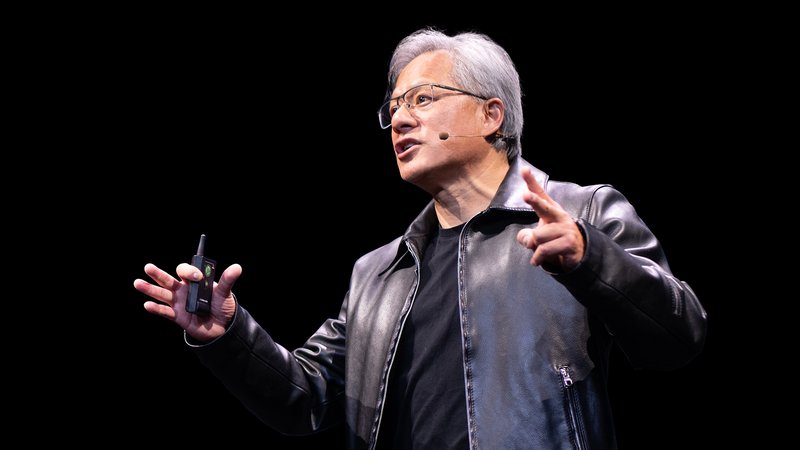
Il dibattito sull'impatto dell'intelligenza artificiale sul mercato del lavoro continua a essere uno dei temi più discussi nel settore tecnicico e non solo. Mentre molti lavoratori esprimono preoccupazione per la potenziale automazione e la conseguente perdita di posti, il CEO di Nvidia, Jensen Huang, ha offerto una prospettiva decisamente più ottimistica. Secondo Huang, le affermazioni sul potenziale distruttivo dell'IA in termini occupazionali sarebbero state "ampiamente esagerate".
Questa dichiarazione arriva in un momento di rapida evoluzione per l'intelligenza artificiale, con i Large Language Models (LLM) che stanno ridefinendo numerosi settori. La visione di Huang suggerisce che, anziché eliminare ruoli, l'IA stia agendo come un catalizzatore per la creazione di nuove professioni e la trasformazione delle competenze richieste nel panorama lavorativo.
La prospettiva di Nvidia e il contesto tecnicico
La posizione di Jensen Huang riflette una convinzione profonda nel potenziale trasformativo dell'IA come motore di crescita economica e innovazione. L'ecosistema dell'intelligenza artificiale, spinto in gran parte dalle GPU di Nvidia, richiede infatti una vasta gamma di nuove competenze. Dallo sviluppo di modelli avanzati al loro Fine-tuning per applicazioni specifiche, fino al Deployment e alla gestione dell'infrastruttura sottostante, emergono continuamente nuove figure professionali.
Questi ruoli includono ingegneri specializzati in Machine Learning Operations (MLOps), architetti di soluzioni AI, esperti di data science e professionisti dedicati alla sicurezza e alla conformità dei dati. La creazione di questi posti di lavoro è intrinsecamente legata alla crescente adozione dell'IA nelle aziende, che a sua volta stimola la domanda di hardware e Framework software sempre più sofisticati.
Implicazioni per l'infrastruttura e il TCO
L'espansione delle opportunità lavorative legate all'IA è strettamente correlata alla necessità di infrastrutture robuste e scalabili. Le aziende che adottano LLM e altre soluzioni di intelligenza artificiale devono prendere decisioni strategiche cruciali riguardo al Deployment. La scelta tra un approccio cloud e un'implementazione Self-hosted o On-premise, ad esempio, ha profonde implicazioni non solo sui costi operativi e sul TCO (Total Cost of Ownership), ma anche sulla gestione delle risorse umane e delle competenze interne.
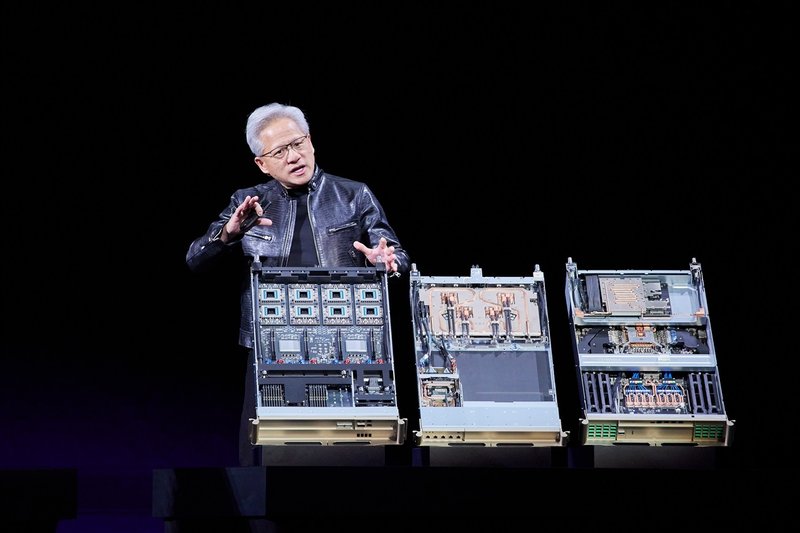
Un Deployment On-premise, che garantisce maggiore controllo sulla sovranità dei dati e sulla sicurezza, richiede investimenti significativi in hardware, come GPU con elevata VRAM, e competenze tecniche per la gestione di stack locali. Questo scenario, pur presentando un CapEx iniziale più elevato, può offrire vantaggi a lungo termine in termini di costi e personalizzazione, oltre a creare una maggiore domanda di specialisti interni per la gestione e l'ottimizzazione dell'infrastruttura AI. Per chi valuta deployment On-premise, AI-RADAR offre framework analitici su /llm-onpremise per valutare i trade-off tra controllo, costi e performance.
Bilanciare innovazione e impatto sociale
La visione di Jensen Huang, sebbene ottimistica, sottolinea una verità fondamentale: l'intelligenza artificiale non è una forza statica, ma un catalizzatore di cambiamento dinamico. Mentre alcuni lavori potrebbero essere automatizzati, l'innovazione tecnicica ha storicamente generato nuove industrie e ruoli che prima non esistevano. La sfida per le aziende e i governi è quella di facilitare questa transizione, investendo nella formazione e nello sviluppo di nuove competenze.
Per i decision-makers tecnicici, ciò significa non solo valutare le specifiche tecniche e il TCO dei sistemi AI, ma anche considerare l'impatto a lungo termine sulle proprie organizzazioni e sulla forza lavoro. L'obiettivo è sfruttare il potenziale dell'IA per migliorare l'efficienza e creare valore, garantendo al contempo che la transizione sia gestita in modo equo e strategico, trasformando le preoccupazioni in opportunità di crescita.







💬 Commenti (0)
🔒 Accedi o registrati per commentare gli articoli.
Nessun commento ancora. Sii il primo a commentare!