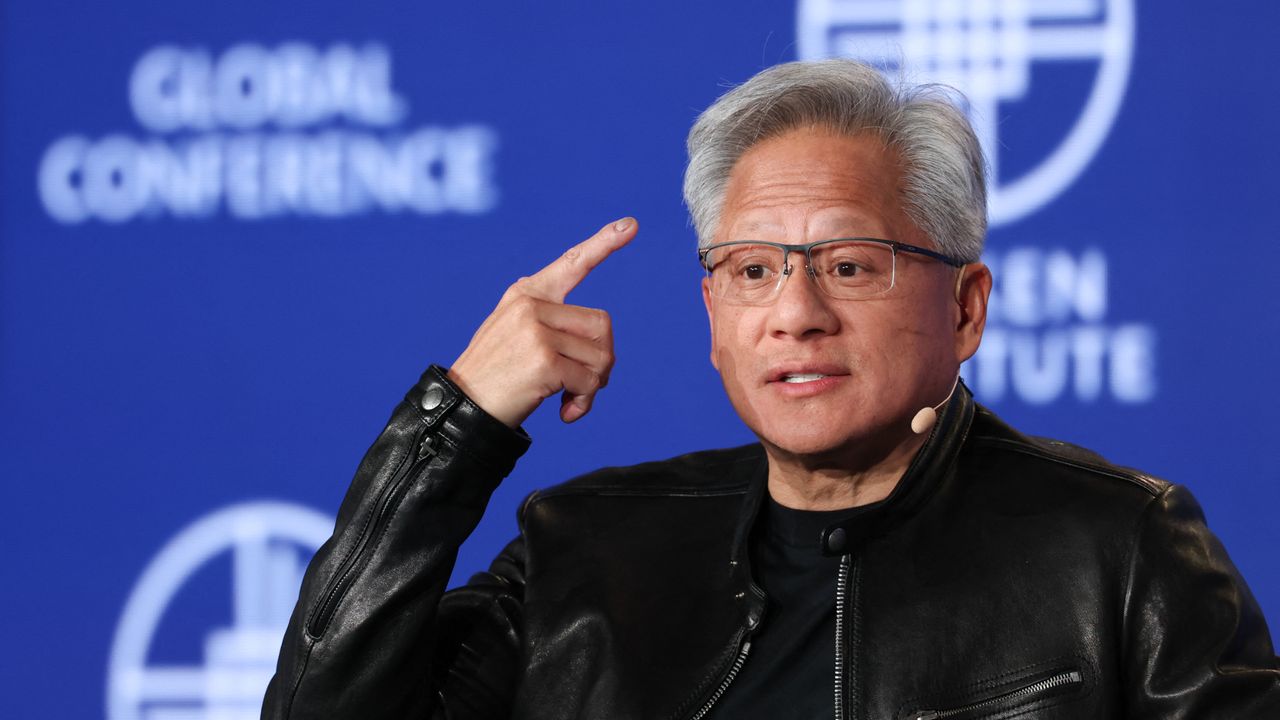
Jensen Huang's Absence from the Presidential Delegation
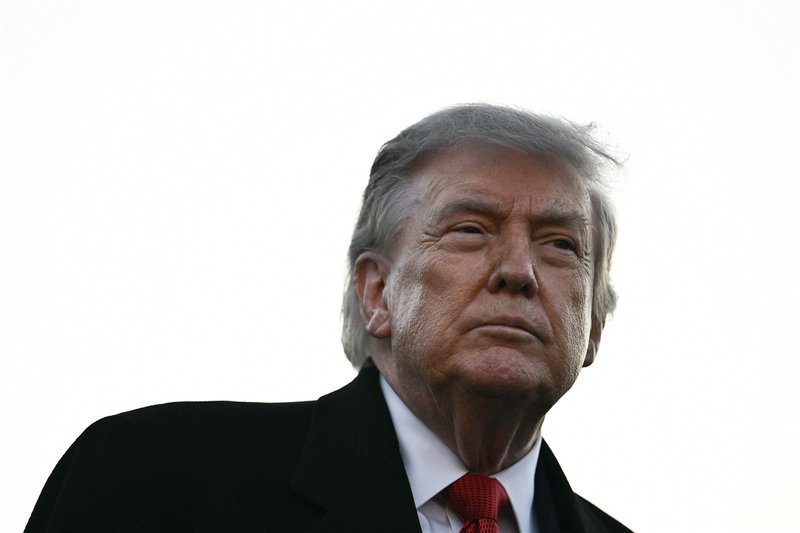
The recent state visit by President Trump to China included a prominent delegation from the U.S. business world. Among the names present were high-profile figures such as Tim Cook, CEO of Apple, and Elon Musk. However, a notable absence was that of Jensen Huang, the CEO of Nvidia, a leading company in the graphics processor and artificial intelligence sectors.
This exclusion from the list of participants has generated discussion, especially considering Nvidia's central role in the global technological ecosystem. Although the specific reasons for this decision have not been made public, the episode highlights the complex intersections between politics, diplomacy, and the high-tech world, an increasingly strategic domain internationally.
Nvidia and the Geopolitical Context of Silicon
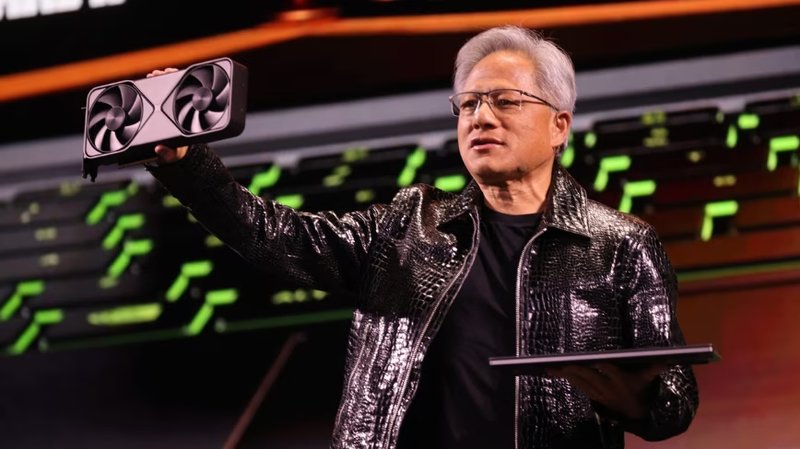
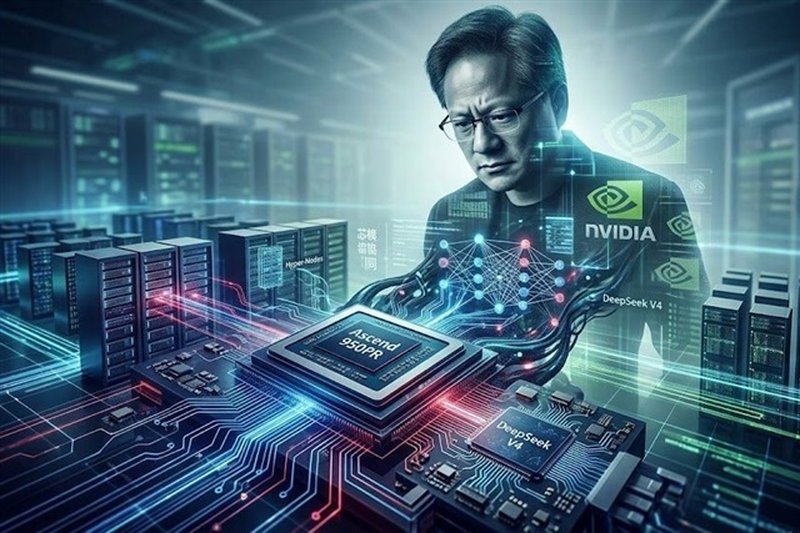
Nvidia is a fundamental player in the technological landscape, particularly for its contribution to the development of GPUs essential for training and inference of Large Language Models (LLM) and other artificial intelligence applications. Its dominant position in the silicon sector makes it a strategically relevant company, whose dynamics are often influenced by geopolitical factors and international relations.
Political decisions and trade relations between major powers can have a significant impact on the global supply chain of critical components. This scenario is particularly relevant for companies planning on-premise deployments of AI infrastructure, where hardware availability and cost are decisive factors for the Total Cost of Ownership (TCO) and scalability. The stability of international relations is therefore an element to consider in the long-term strategy for acquiring hardware resources.
Implications for On-Premise Deployments and Data Sovereignty
For organizations evaluating the implementation of self-hosted AI solutions, the stability of the silicon market and supply chains is crucial. Dependence on specific suppliers and potential trade restrictions can directly influence a company's ability to build and maintain robust and high-performing AI infrastructure. This is especially true for deployments requiring air-gapped environments or needing to comply with stringent data sovereignty and regulatory compliance requirements.
The choice between a cloud approach and an on-premise deployment is often driven by considerations of control, security, and TCO. Events signaling geopolitical tensions or changes in trade policies can alter cost projections and risks associated with hardware procurement, making strategic planning even more complex. AI-RADAR offers analytical frameworks on /llm-onpremise to evaluate these trade-offs, providing tools for informed decisions.
Future Perspectives in the Global Tech Sector
The episode of Jensen Huang's exclusion from the presidential delegation, while not having immediate direct technical implications, serves as a reminder of the growing interconnectedness between the world of technology and the political sphere. Leading companies in the sector, such as Nvidia, operate in a global context where governmental decisions and diplomatic relations can have significant repercussions on their operations and market strategies.
Looking ahead, this trend is likely to intensify. Companies will need to navigate an increasingly complex landscape, balancing technological innovation with geopolitical considerations, especially in strategic sectors like artificial intelligence and high-performance computing. The ability to adapt to these changes will be fundamental to maintaining competitiveness and ensuring the resilience of technological infrastructures.




💬 Comments (0)
🔒 Log in or register to comment on articles.
No comments yet. Be the first to comment!