The Debate on Tech Sector Compensation
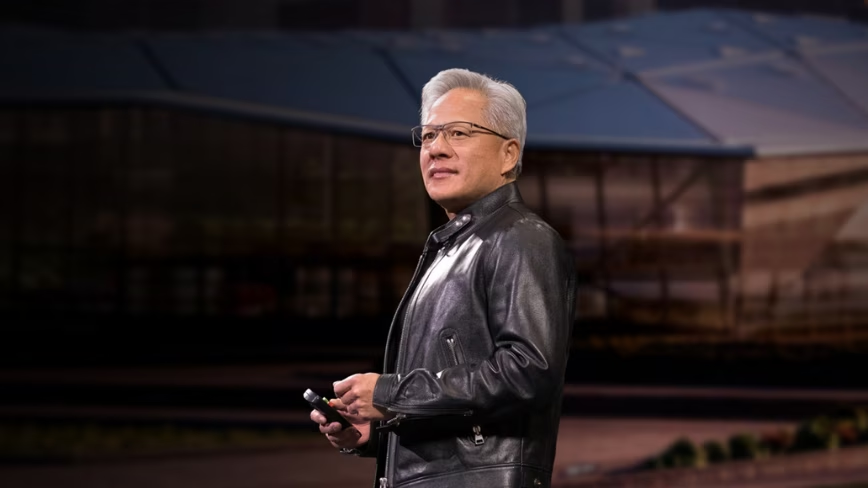
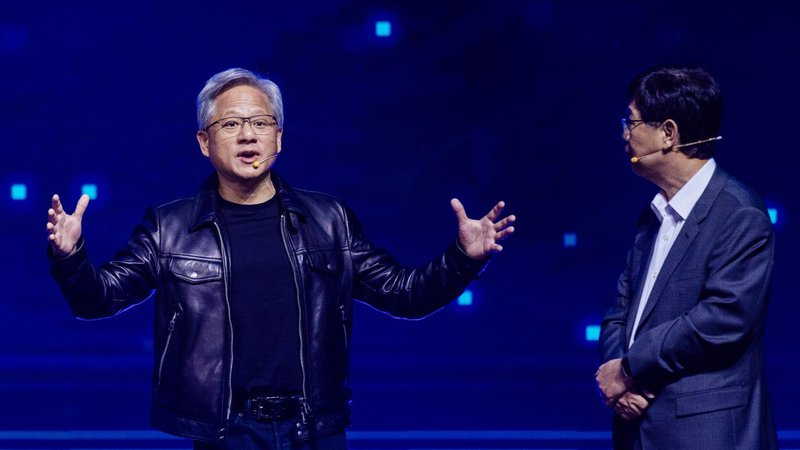
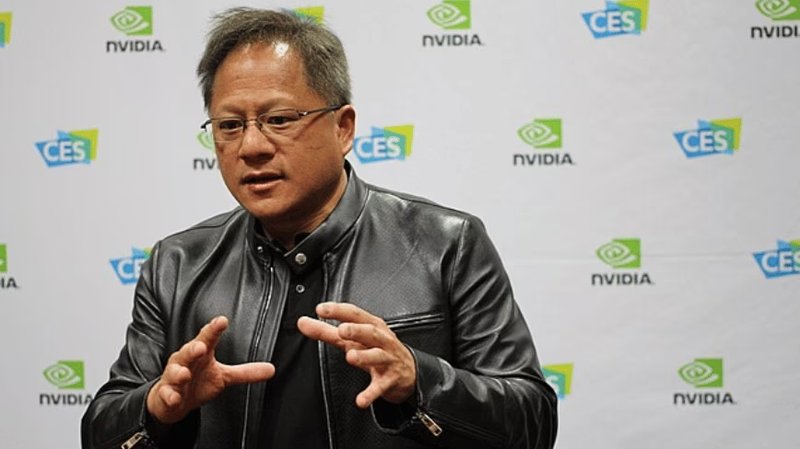
Jensen Huang, CEO of Nvidia, recently ignited a debate on talent compensation within the technology sector. During a meeting with reporters at Computex, Taipei, Huang stated that workers should be paid “as much as possible.” His remarks were made in the context of a discussion about Samsung's bonus structure, which provides up to $400,000 in compensation for chip engineers. This stance underscores the importance attributed to specialized human capital, at a time when competition for talent is particularly fierce, especially in strategic areas such as advanced silicon development for artificial intelligence.
The context in which these statements were made is particularly relevant. Just two weeks prior, Nvidia had announced a massive $80 billion share buyback. Furthermore, the company committed to allocating 50% of its free cash flow to shareholders. This timing raises questions about the balance between direct investment in personnel and maximizing shareholder value, a common dilemma for many successful technology companies.
Investments and Strategies for AI Deployment
Huang's words highlight a crucial reality for companies operating in artificial intelligence, particularly those considering on-premise Large Language Models (LLM) deployment. Investment in skilled engineers, capable of designing, optimizing, and managing hardware and software infrastructure, is as critical as purchasing the latest generation GPUs. The ability to attract and retain talent with specific expertise in system architectures, model optimization, and local stack management is fundamental to ensuring the efficiency and scalability of self-hosted AI workloads.
For organizations prioritizing data sovereignty and control over their systems, opting for on-premise or air-gapped solutions, the Total Cost of Ownership (TCO) is not limited to hardware. It also includes operational costs related to infrastructure management and, significantly, the compensation of highly specialized personnel. The availability of engineers experienced in areas such as VRAM management, throughput optimization, and cluster configuration for LLM inference and training is a decisive factor for the success of such projects.
The Value of Human Capital in the AI Era
The discussion about the compensation of chip engineers, like those at Samsung, reflects the growing demand for specific skills in the global market. Silicon innovation is a fundamental pillar for the advancement of artificial intelligence, and companies leading this innovation must compete for the best talent. This scenario has direct implications for AI deployment strategies. A team of experienced engineers can make the difference between an efficient implementation and a project that struggles to meet its performance or TCO objectives.
For those evaluating on-premise deployment, analytical frameworks exist to help consider all trade-offs, including those related to human capital. A company's ability to invest in high-level talent directly translates into its capacity to innovate and maintain a competitive advantage. This is particularly true for self-hosted AI solutions, where customization and optimization require deep internal expertise.
Future Prospects and Balancing Interests
Jensen Huang's statements highlight an inherent tension in the modern corporate world: balancing shareholder expectations with the need to invest in human capital. While share buybacks can increase shareholder value in the short term, investment in talented engineers is crucial for long-term growth and innovation. For companies aiming to build and maintain robust and sovereign AI infrastructures, the ability to attract and retain the best professionals will be a critical success factor.
The discussion is not just about bonuses, but about the entire philosophy of investing in the personnel who design and implement the technologies that define the future. In an era dominated by AI, where hardware and software evolve at dizzying speeds, human expertise remains the most valuable asset. Decisions on how to allocate financial resources, between shareholder returns and personnel investments, will continue to shape the technological landscape and enterprises' AI deployment capabilities.







💬 Comments (0)
🔒 Log in or register to comment on articles.
No comments yet. Be the first to comment!