
JSR espande la produzione di fotoresist EUV a Taiwan
Il gigante chimico giapponese JSR ha annunciato un'espansione significativa delle sue operazioni, con la costruzione di un nuovo impianto di produzione di fotoresist per litografia a ultravioletti estremi (EUV) a Taiwan. Questa mossa strategica posiziona JSR in prossimità di TSMC, uno dei principali produttori mondiali di semiconduttori, sottolineando l'importanza della collaborazione e della vicinanza geografica nella complessa catena di fornitura del silicio.
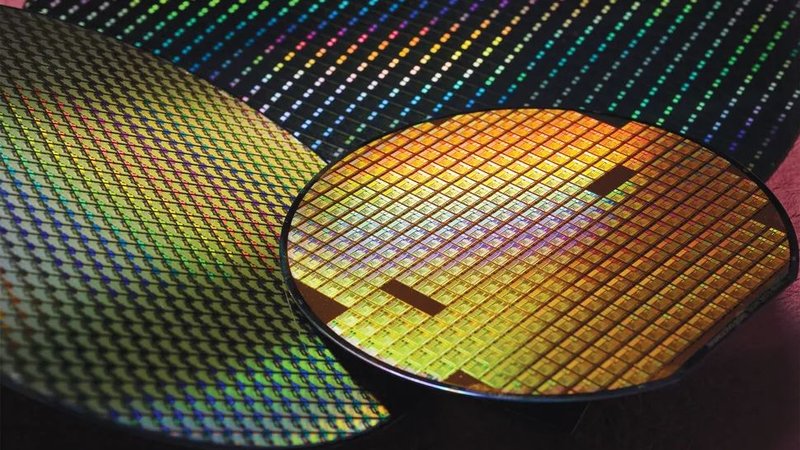
L'obiettivo primario di questa espansione è colmare una lacuna critica nella disponibilità di materiali chimici essenziali per la scalabilità della tecnicia EUV. La produzione di wafer avanzati, fondamentali per i chip di nuova generazione, dipende fortemente dalla stabilità e dall'efficienza di questa catena di fornitura, che include componenti chimici altamente specializzati come i fotoresist.
Il ruolo cruciale della litografia EUV nell'hardware AI
La litografia EUV rappresenta una tecnicia abilitante per la produzione di chip con nodi sempre più piccoli, consentendo una maggiore densità di transistor e, di conseguenza, prestazioni superiori. Questo è particolarmente rilevante per l'hardware dedicato all'intelligenza artificiale, come le GPU e gli acceleratori specializzati, che richiedono una potenza di calcolo e una VRAM sempre maggiori per gestire i Large Language Models (LLM) e i carichi di lavoro di machine learning più esigenti.
La capacità di produrre chip più efficienti e potenti ha un impatto diretto sul Total Cost of Ownership (TCO) dei deployment AI, sia in cloud che on-premise. Una maggiore efficienza energetica e un throughput superiore per watt sono fattori chiave per le aziende che valutano l'infrastruttura necessaria per l'inference e il training dei modelli. La disponibilità di materiali EUV è quindi un prerequisito per l'innovazione e la competitività nel settore dell'AI.
Implicazioni per la catena di fornitura e i deployment on-premise
La decisione di JSR di rafforzare la produzione di fotoresist EUV a Taiwan evidenzia la fragilità e l'interdipendenza della catena di fornitura globale dei semiconduttori. Eventuali interruzioni o colli di bottiglia nella produzione di questi materiali critici possono avere ripercussioni a cascata sull'intera industria, influenzando la disponibilità e i costi dell'hardware AI.
Per le organizzazioni che optano per deployment on-premise o self-hosted di LLM, la stabilità della catena di fornitura è fondamentale. La capacità di accedere a hardware all'avanguardia, con specifiche come elevata VRAM e throughput ottimizzato, è direttamente correlata alla robustezza della produzione di silicio. Un'offerta più stabile di materiali EUV può contribuire a mitigare i rischi di approvvigionamento e a stabilizzare i costi per l'infrastruttura AI locale.
Prospettive future e sovranità tecnicica
L'investimento di JSR a Taiwan non è solo una mossa commerciale, ma riflette anche le crescenti preoccupazioni globali riguardo alla sovranità tecnicica e alla resilienza delle catene di fornitura. La dipendenza da un numero limitato di fornitori per componenti critici, come i materiali EUV, spinge le aziende e i governi a cercare maggiore diversificazione e localizzazione della produzione.
In un'era in cui l'AI sta diventando un pilastro strategico per molte industrie, garantire un accesso affidabile e sicuro all'hardware più avanzato è essenziale. Questa espansione di JSR rappresenta un passo verso una maggiore stabilità e scalabilità nella produzione di chip, beneficiando indirettamente tutti gli attori che si affidano a infrastrutture di calcolo ad alte prestazioni per le loro ambizioni nel campo dell'intelligenza artificiale.







💬 Commenti (0)
🔒 Accedi o registrati per commentare gli articoli.
Nessun commento ancora. Sii il primo a commentare!