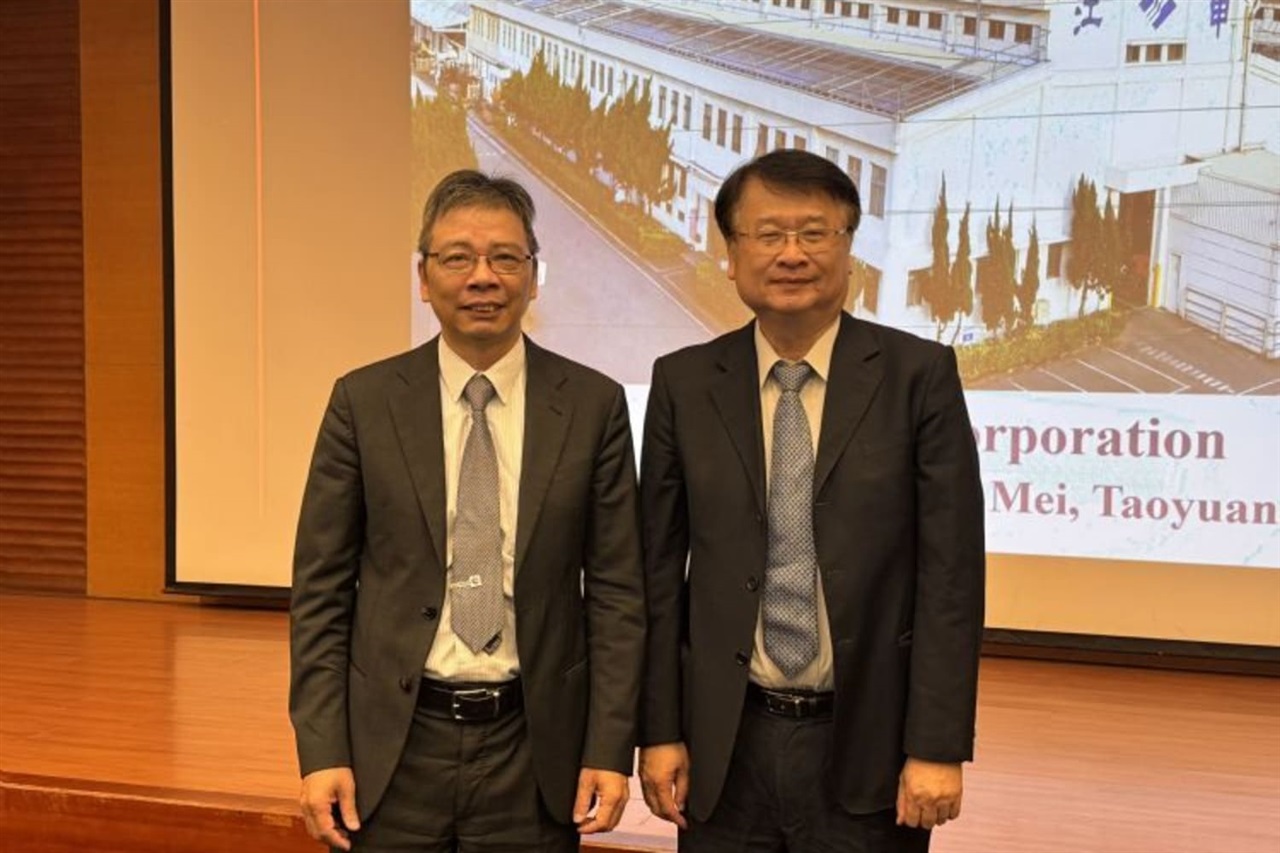
Kian-Shen and the Strategy for Sustainable Transport
Kian-Shen, a player in the vehicle sector, has announced its forecasts for 2025, indicating a potential revenue decline. In response to this scenario, the company is redefining its strategy, focusing significantly on electric bus chassis and, more broadly, on sustainable transport solutions. This strategic pivot reflects a broader trend in the global market, where ecological transition and the pursuit of energy efficiency are becoming primary drivers of innovation and investment.
Kian-Shen's decision to focus on these segments highlights the growing demand for low-emission infrastructure and vehicles. Although the company's announcement did not explicitly mention the integration of artificial intelligence technologies, the sustainable transport sector is fertile ground for the application of advanced solutions, such as Large Language Models (LLMs) and other AI systems, to optimize complex operations and improve efficiency.
The Role of AI in Sustainable Transport: Infrastructural Considerations
Sustainable transport, which includes managing electric vehicle fleets, optimizing route planning, and predictive maintenance, can greatly benefit from artificial intelligence. For example, LLMs could be used to analyze large volumes of operational data, predict failures, optimize energy consumption, or manage logistics in real-time. However, the implementation of such AI systems raises complex infrastructural questions for companies in the sector.
The choice between a cloud deployment and a self-hosted on-premise solution becomes crucial. For organizations managing sensitive data related to critical infrastructure or personal information, data sovereignty and regulatory compliance (such as GDPR) are absolute priorities. An on-premise deployment offers direct control over infrastructure, data, and security, aspects often indispensable in highly regulated contexts.
On-Premise Deployment: Control, Security, and TCO
Adopting an on-premise approach for AI workloads, including Large Language Models, allows companies to keep data within their physical and logical boundaries. This is particularly relevant for vehicle fleets, where telemetry, location, and performance data can be considered strategic or sensitive. A self-hosted infrastructure ensures that AI models, fine-tuning, and inference occur on controlled hardware, often in air-gapped environments for maximum security.
From an economic perspective, Total Cost of Ownership (TCO) analysis is fundamental. Although the initial investment in hardware (such as GPUs with high VRAM for LLM inference) can be significant, long-term operational costs, including data transfer and software licenses, can make on-premise deployment more advantageous than cloud solutions, especially for consistent and predictable workloads. The ability to scale infrastructure according to specific needs, without relying on external providers, also offers strategic flexibility.
Future Prospects and Strategic Decisions
Kian-Shen's pivot towards electric bus chassis and sustainable transport is a clear signal of market evolution. As the company prepares to face the challenges of 2025, the ability to integrate and manage advanced technologies like AI will become a distinguishing factor. Decisions regarding deployment infrastructure, balancing performance, security, control, and TCO, will be crucial for long-term success in a rapidly transforming sector.
For companies evaluating the implementation of LLMs and other AI solutions in on-premise contexts, AI-RADAR offers analytical frameworks and insights on /llm-onpremise to support the evaluation of trade-offs between different deployment options, ensuring that technological choices are aligned with strategic objectives and operational requirements.









💬 Comments (0)
🔒 Log in or register to comment on articles.
No comments yet. Be the first to comment!