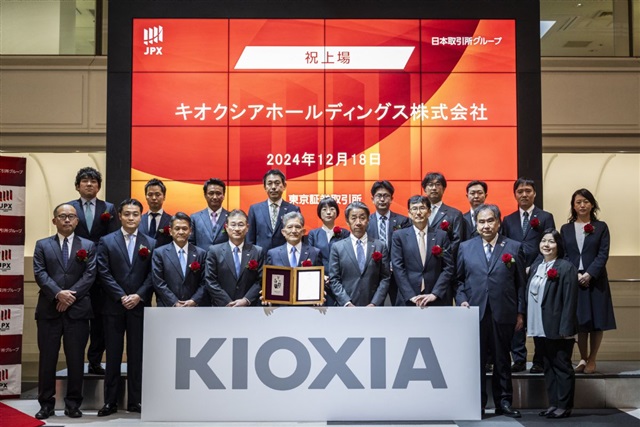
Kioxia's Consolidation Strategy in the AI Era
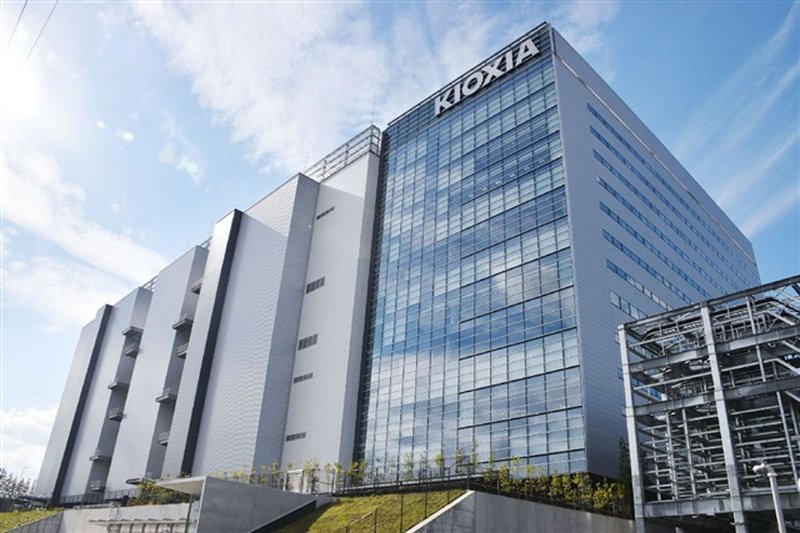
The global technology landscape is constantly evolving, and the rise of artificial intelligence, particularly Large Language Models (LLMs), is redefining the strategic priorities of many companies. In this dynamic context, Kioxia, a leading player in the flash memory sector, is evaluating a mergers and acquisitions (M&A) strategy to capitalize on the growing "AI boom." This move, reported by AFP, highlights how even fundamental component suppliers are repositioning their activities to address the new demands driven by AI.
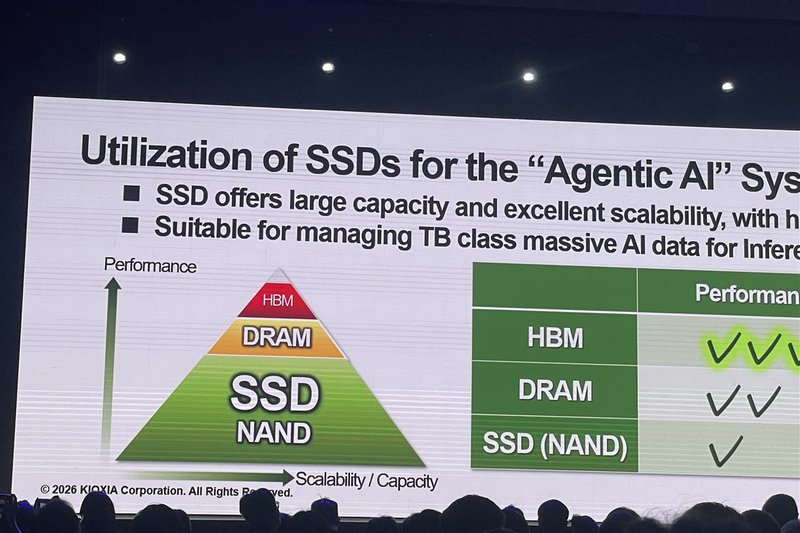
Kioxia's decision reflects a broader trend in the silicon market, where demand for high-performance hardware is rapidly increasing. Storage capabilities, particularly NAND flash memory and SSDs, are critical components for AI infrastructure, both for intensive training and for inference. Expansion in this sector is seen as a way to strengthen competitive positioning and ensure the capacity to meet future market demands.
The Impact of AI on Storage Demand
The explosion of artificial intelligence has generated unprecedented demand for computational and storage resources. Large Language Models, for example, require enormous amounts of data for training and generate considerably sized models that need fast and reliable storage. This translates into a growing need for high-density, high-performance memory, capable of handling high throughput and minimal latency.
For companies considering on-premise LLM deployment, storage selection is a crucial factor. NAND flash-based solutions, such as NVMe SSDs, offer the necessary speed to quickly load voluminous datasets and support inference operations efficiently. The availability and innovation in this segment of the silicon market are therefore directly related to enterprises' ability to build and manage robust and performant self-hosted AI infrastructures, maintaining control over their data and optimizing TCO.
Market Consolidation and Data Sovereignty
M&A strategies, like the one considered by Kioxia, are often driven by the need to acquire new technologies, talent, or market share to respond to rapid changes in the sector. In the context of AI, this means strengthening the supply chain and innovation capacity to produce increasingly performant memory and storage solutions suitable for AI workloads.
For CTOs, DevOps leads, and infrastructure architects, the stability and diversification of silicon suppliers are fundamental aspects. Data sovereignty and regulatory compliance, particularly for air-gapped environments or those with stringent requirements, heavily depend on the availability of reliable and controllable hardware. A consolidated, yet innovative, silicon market can offer greater security and options for those seeking on-premise solutions that guarantee full control over AI infrastructure and sensitive data.
Future Prospects and On-Premise Trade-offs
The evolution of the silicon market, influenced by the strategies of companies like Kioxia, will directly impact AI deployment capabilities. The continuous pursuit of faster, denser, and more efficient memory is essential to support the next generation of LLMs and AI applications. For organizations evaluating self-hosted alternatives to the cloud, the availability of advanced hardware components is a decisive factor.
Investment decisions in on-premise AI infrastructures always involve a careful evaluation of trade-offs between performance, initial (CapEx) and operational (OpEx) costs, and flexibility. Kioxia's strategy, focused on consolidation and innovation in the memory sector, underscores the importance of monitoring the evolution of the silicon market for anyone looking to build a resilient and future-proof AI infrastructure, with a keen eye on data sovereignty and TCO.




💬 Comments (0)
🔒 Log in or register to comment on articles.
No comments yet. Be the first to comment!