
Introduzione
Nel panorama in rapida evoluzione della ricerca farmaceutica, l'intelligenza artificiale sta diventando un catalizzatore fondamentale, capace di generare un volume senza precedenti di potenziali candidati farmacologici. Tuttavia, la vera sfida non risiede solo nella capacità di produrre queste molecole, ma nell'identificare quali tra esse siano realmente promettenti e meritevoli di ulteriori investimenti. In questo contesto, 10x Science, una startup focalizzata sull'ottimizzazione di questo processo critico, ha annunciato di aver completato un round di finanziamento seed da 4,8 milioni di dollari.
L'obiettivo primario di 10x Science è supportare i ricercatori farmaceutici nel districarsi tra la complessità delle molecole generate dall'AI. L'investimento ricevuto sottolinea la crescente necessità di strumenti avanzati che possano trasformare la vasta produzione di dati in intuizioni azionabili, accelerando così il percorso dalla scoperta al rilascio di nuovi farmaci.
Il Ruolo dell'Intelligenza Artificiale nella Ricerca Farmaceutica
L'applicazione dell'intelligenza artificiale, inclusi i Large Language Models (LLM) e altri modelli generativi, ha rivoluzionato le fasi iniziali della scoperta di farmaci. Questi sistemi sono in grado di esplorare spazi chimici vastissimi, identificando nuove strutture molecolari con proprietà desiderate o prevedendo l'interazione tra composti e bersagli biologici. La capacità di generare migliaia, se non milioni, di potenziali molecole in tempi ridotti rispetto ai metodi tradizionali, ha aperto nuove frontiere per l'innovazione.
Tuttavia, questa prolificità porta con sé una nuova complessità. I ricercatori si trovano di fronte a un "imbuto" di dati, dove la quantità di candidati supera di gran lunga la capacità di analisi e validazione sperimentale. La selezione delle molecole più promettenti richiede non solo competenze chimiche e biologiche approfondite, ma anche strumenti computazionali sofisticati per filtrare, classificare e prioritizzare i candidati in base a criteri multipli, come efficacia, sicurezza e producibilità.
La Sfida della Selezione e le Implicazioni per l'Framework
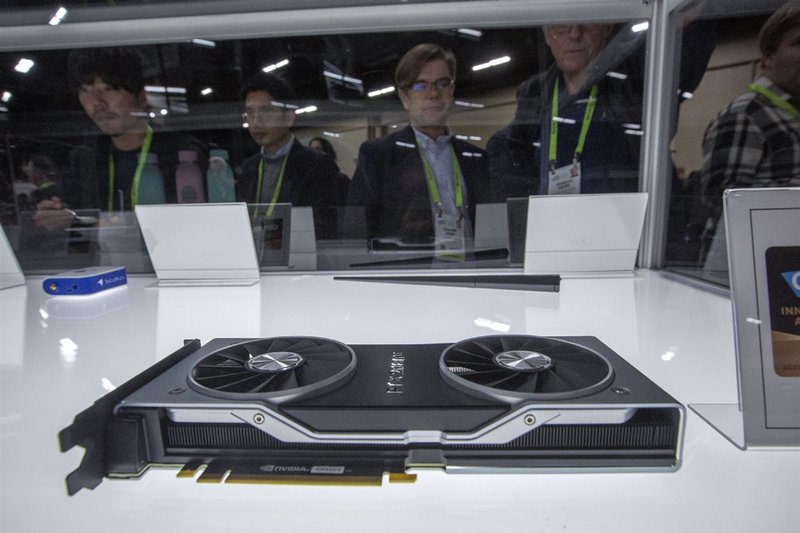
Il lavoro di 10x Science si inserisce proprio in questa lacuna, offrendo soluzioni per aiutare i ricercatori a comprendere meglio le molecole complesse e a prendere decisioni più informate. Questo tipo di analisi avanzata richiede una notevole potenza di calcolo, spesso basata su GPU ad alte prestazioni, e infrastrutture capaci di gestire dataset massivi e simulazioni complesse. Per le aziende farmaceutiche, che operano con dati altamente sensibili e proprietari, la scelta dell'infrastruttura di deployment diventa cruciale.
Molte realtà del settore valutano attentamente le opzioni self-hosted o on-premise per garantire la sovranità dei dati, la compliance normativa e la sicurezza in ambienti air-gapped. La gestione di carichi di lavoro di inference e training per LLM e altri modelli AI in-house permette un controllo granulare sull'ambiente, sebbene comporti considerazioni significative sul Total Cost of Ownership (TCO), inclusi i costi di CapEx per l'hardware (come VRAM e throughput delle GPU) e le spese operative per l'energia e la manutenzione.
Prospettive Future e il Contesto di AI-RADAR
L'investimento in 10x Science riflette una tendenza più ampia nel settore biotech e farmaceutico: la necessità di integrare l'AI non solo nella generazione, ma anche nell'ottimizzazione e nella validazione dei processi di scoperta. Soluzioni come quelle proposte da 10x Science sono essenziali per trasformare il potenziale dell'AI in risultati concreti, riducendo i tempi e i costi di sviluppo.
Per le organizzazioni che si trovano a dover implementare tali capacità AI, la decisione tra deployment cloud e on-premise è strategica. AI-RADAR si concentra proprio su questi trade-off, offrendo analisi e framework per valutare le implicazioni di stack locali, hardware per inference e training, e decisioni di deployment che prioritizzano la sovranità dei dati, il controllo e il TCO. La capacità di gestire internamente carichi di lavoro AI complessi, come quelli richiesti dalla ricerca farmaceutica, è un fattore distintivo per molte aziende che mirano a mantenere un vantaggio competitivo e la piena proprietà intellettuale.







💬 Commenti (0)
🔒 Accedi o registrati per commentare gli articoli.
Nessun commento ancora. Sii il primo a commentare!