
The Impact of AI on Printed Circuit Boards
Zhen Ding, a prominent name in the Printed Circuit Board (PCB) manufacturing sector, has recently emphasized how the advancement of artificial intelligence is profoundly redefining the function and demand for these essential components. The company observes a significant acceleration in the request for PCBs, a clear signal of the transformative impact AI is having across the entire technology supply chain, from basic hardware to more complex deployment solutions.
This trend is not isolated but reflects a broader evolution in the AI infrastructure landscape. The increasing adoption of Large Language Models (LLM) and other computationally intensive workloads requires increasingly sophisticated and high-performance hardware architectures, where PCBs play a crucial role in ensuring system integrity and efficiency.
AI's Technical Requirements and the Role of PCBs
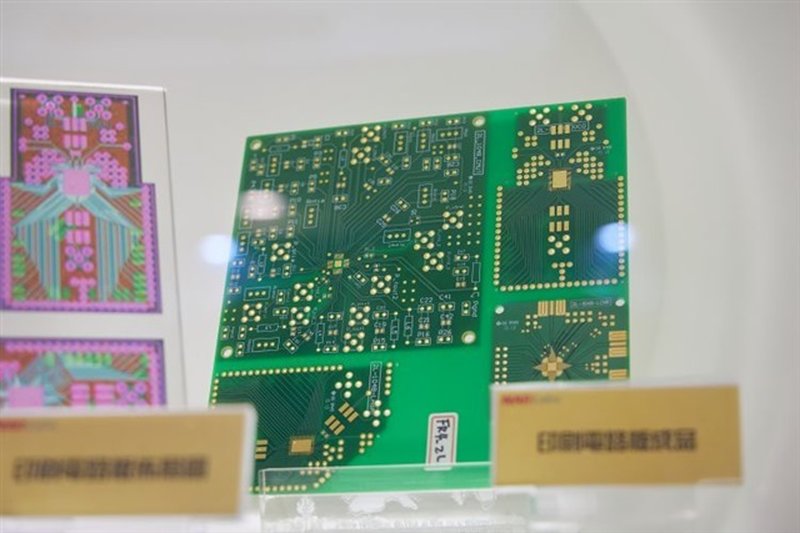
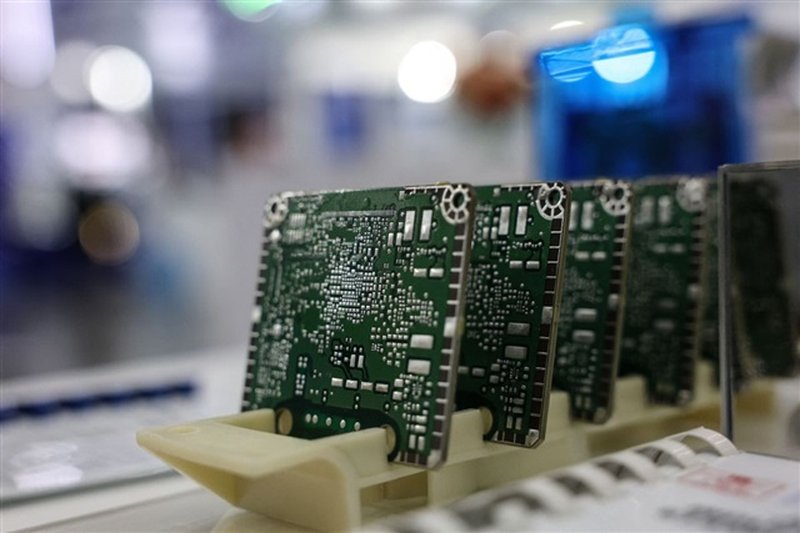
The explosion of AI, particularly in the field of LLMs, imposes stringent requirements on the underlying hardware. Modern Graphics Processing Units (GPUs) and AI accelerators, fundamental for Inference and training, necessitate PCBs capable of handling high power densities, high-frequency signals, and complex integration of numerous components. This includes managing large amounts of VRAM and the need for high throughput for data transfer between various chips.
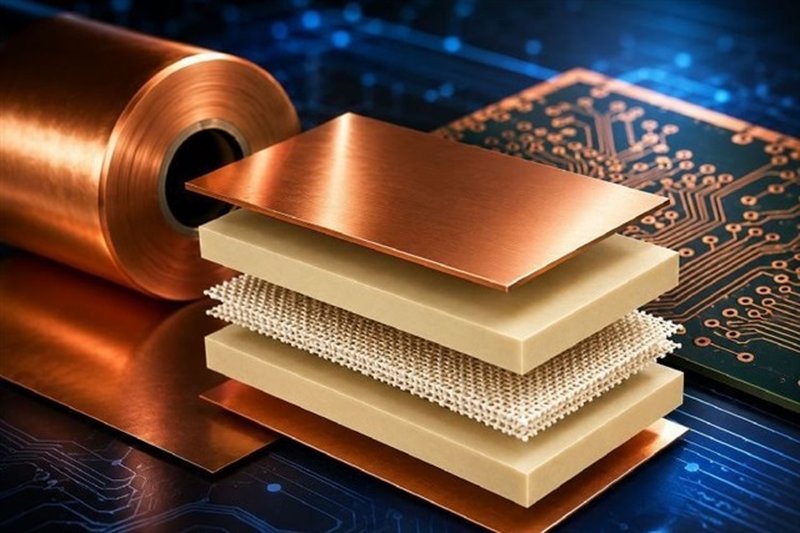
Next-generation PCBs must support high-speed interconnects, such as NVLink or PCIe Gen5/Gen6, minimizing latency and maximizing bandwidth. Thermal dissipation becomes a critical factor, requiring innovative designs to prevent overheating and ensure the operational stability of systems. These technical constraints push PCB manufacturers to invest in research and development for advanced materials and production processes, capable of meeting the performance and reliability demands of the AI era.
Implications for On-Premise Deployments and TCO
For enterprises evaluating LLM deployments on-premise or in hybrid environments, the quality and availability of PCBs directly translate into critical infrastructure considerations. The choice of robust and high-performance hardware, based on cutting-edge PCBs, is fundamental for optimizing the Total Cost of Ownership (TCO) in the long term. A well-designed on-premise infrastructure can offer advantages in terms of data sovereignty, compliance, and control, but it requires a significant initial investment in high-quality components.
Dependence on a global supply chain for PCBs and other hardware components also introduces complexities and potential vulnerabilities. Organizations must consider not only technical specifications but also the resilience of the supply chain and the ability to procure components that support their scalability and performance needs. For those evaluating on-premise deployments, analytical frameworks are available on /llm-onpremise that can help assess these complex trade-offs, balancing costs, performance, and security requirements.
Future Outlook for AI Infrastructure
Zhen Ding's observation highlights an unequivocal trend: AI is not just a matter of software and algorithms; it is intrinsically linked to hardware evolution. PCBs, often considered "behind-the-scenes" components, are emerging as strategic elements in building resilient and high-performing AI infrastructure. Their ability to support increasing power, speed, and integration demands will largely determine the limits and possibilities of future AI systems.
As demand continues to accelerate, innovation in PCB materials and manufacturing processes will be crucial. Companies aiming to build and manage local AI stacks, with a focus on control, security, and TCO optimization, will need to pay increasing attention to the quality and specifications of basic hardware components, recognizing the fundamental role that every element, from silicon to the printed circuit board, plays in the success of their AI projects.





💬 Comments (0)
🔒 Log in or register to comment on articles.
No comments yet. Be the first to comment!