
Rack-level power architectures for AI
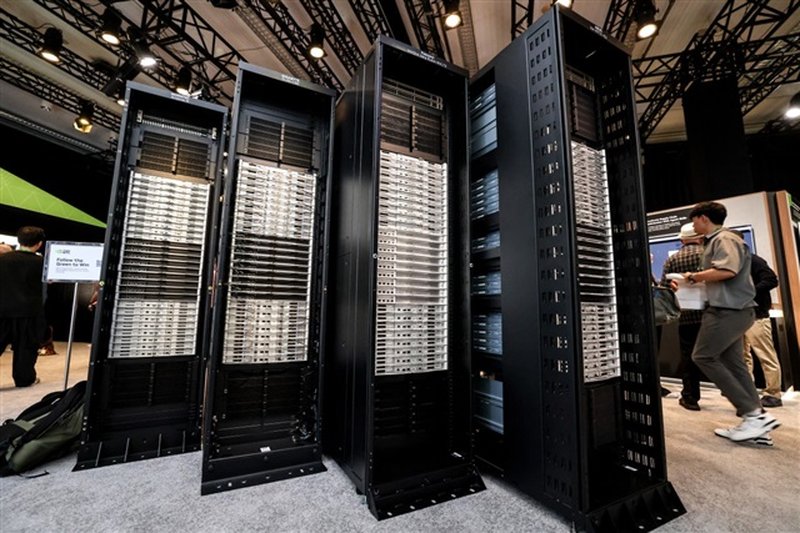
The increase in artificial intelligence workloads is transforming the architecture of data centers, with a growing adoption of rack-level power systems. This evolution is driven by the need to more efficiently manage the high energy demands of GPUs and specialized accelerators used for AI model training and inference.
Rack-level power systems offer higher power density and better thermal management compared to traditional centralized power architectures. This allows data centers to support a larger number of GPUs per rack, improving performance and reducing footprint.
Benefits and implications
The adoption of rack-level power architectures has several advantages:
- Energy efficiency: Better energy management and reduction of transmission losses.
- Power density: Support for a larger number of GPUs per rack.
- Scalability: Ease of expansion and adaptation to increasing workloads.
- Cost reduction: Optimization of operating costs thanks to greater energy efficiency.
However, it is also important to consider the implications in terms of data center design and management. The implementation of rack-level power systems requires careful planning and efficient cooling management to avoid overheating problems.







💬 Comments (0)
🔒 Log in or register to comment on articles.
No comments yet. Be the first to comment!