
The Sentiment of New Graduates and Rational Fears
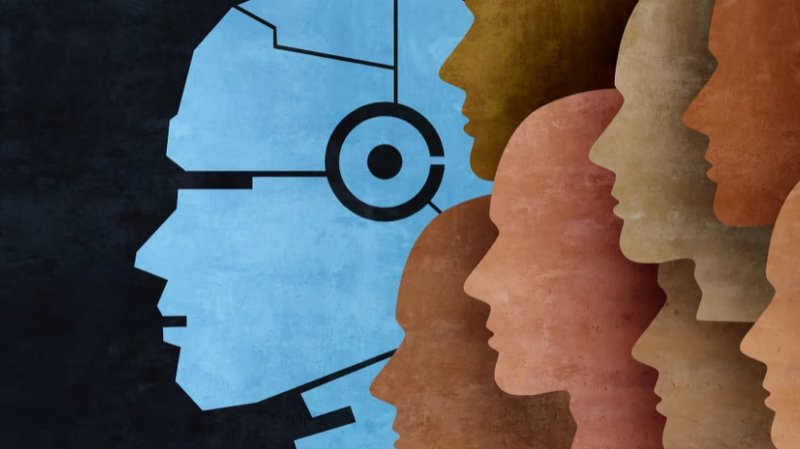
Artificial intelligence is often presented as a transformative force, destined to redefine the future of work and society. However, its arrival is not universally met with the same enthusiasm. A striking example of this skepticism recently emerged during US commencement ceremonies, where speeches about AI were met with a resounding chorus of boos.
Former Google CEO Eric Schmidt personally experienced this reaction at the University of Arizona, where graduates loudly protested his call to help shape the future of AI. Schmidt acknowledged that fears related to disappearing jobs and an uncertain future are “rational,” a significant admission reflecting widespread concern. Similar expressions of dissent occurred at other universities, such as the University of Central Florida and Middle Tennessee State University, suggesting a broader trend of anxiety among younger generations regarding AI's impact on their professional future.
The Market Paradox and the Imperative of Adoption
Despite the growing public skepticism, the artificial intelligence sector continues to show remarkable vitality. Leading companies like OpenAI, for instance, are pursuing their growth trajectory, winning court cases, raising substantial capital, and forging new strategic partnerships. This gap between public sentiment and market dynamics highlights a fundamental tension: on one hand, concerns about the social and economic implications of AI; on the other, the unstoppable technological and commercial advancement.
In this context, some public figures, such as actress Reese Witherspoon, have adopted a more pragmatic stance, urging women to “embrace” AI to avoid being “replaced” by it. This type of rhetoric, while perhaps drastic, underscores the perception that AI is no longer an optional choice but an unavoidable component of the technological and professional landscape. For businesses, this translates into the need to carefully evaluate adoption strategies, considering not only potential benefits but also challenges related to workforce acceptance and adaptation.
Implications for Enterprise Strategies
For CTOs, DevOps leads, and infrastructure architects, public sentiment regarding AI is not a factor to be underestimated. Deployment decisions for Large Language Models (LLM) and other AI solutions within an organization must consider not only technical specifications and Total Cost of Ownership (TCO) but also the impact on personnel and corporate culture. The adoption of AI technologies, whether in self-hosted or cloud environments, requires planning that extends beyond mere technical implementation, including strategies for employee reskilling and expectation management.
The choice between an on-premise deployment and cloud solutions, for example, can also be influenced by the need to maintain data control and ensure compliance, aspects that can mitigate some concerns related to data sovereignty and security. For those evaluating on-premise deployments, analytical frameworks on /llm-onpremise can help assess the trade-offs between control, costs, and performance, also considering internal acceptance and change management.
Balancing Innovation and Responsibility
The boos from new graduates serve as a warning: technological innovation, however powerful, cannot disregard an open and honest dialogue about its social implications. Companies intending to integrate AI into their operations must balance the imperative of innovation with a strong sense of responsibility. This means not only investing in high-performance hardware and robust local stacks for inference and training but also developing clear policies on AI ethics, transparency, and continuous staff training.
Navigating this tension requires technological leadership that is aware of both challenges and opportunities. The goal is to leverage AI's transformative potential to improve efficiency and create new value, while simultaneously addressing legitimate concerns about the future of work and social stability. Only then can AI be fully integrated and accepted, overcoming initial skepticism and realizing its full potential in a sustainable and responsible manner.









💬 Comments (0)
🔒 Log in or register to comment on articles.
No comments yet. Be the first to comment!