The Energy Imperative for the Global Tech Industry
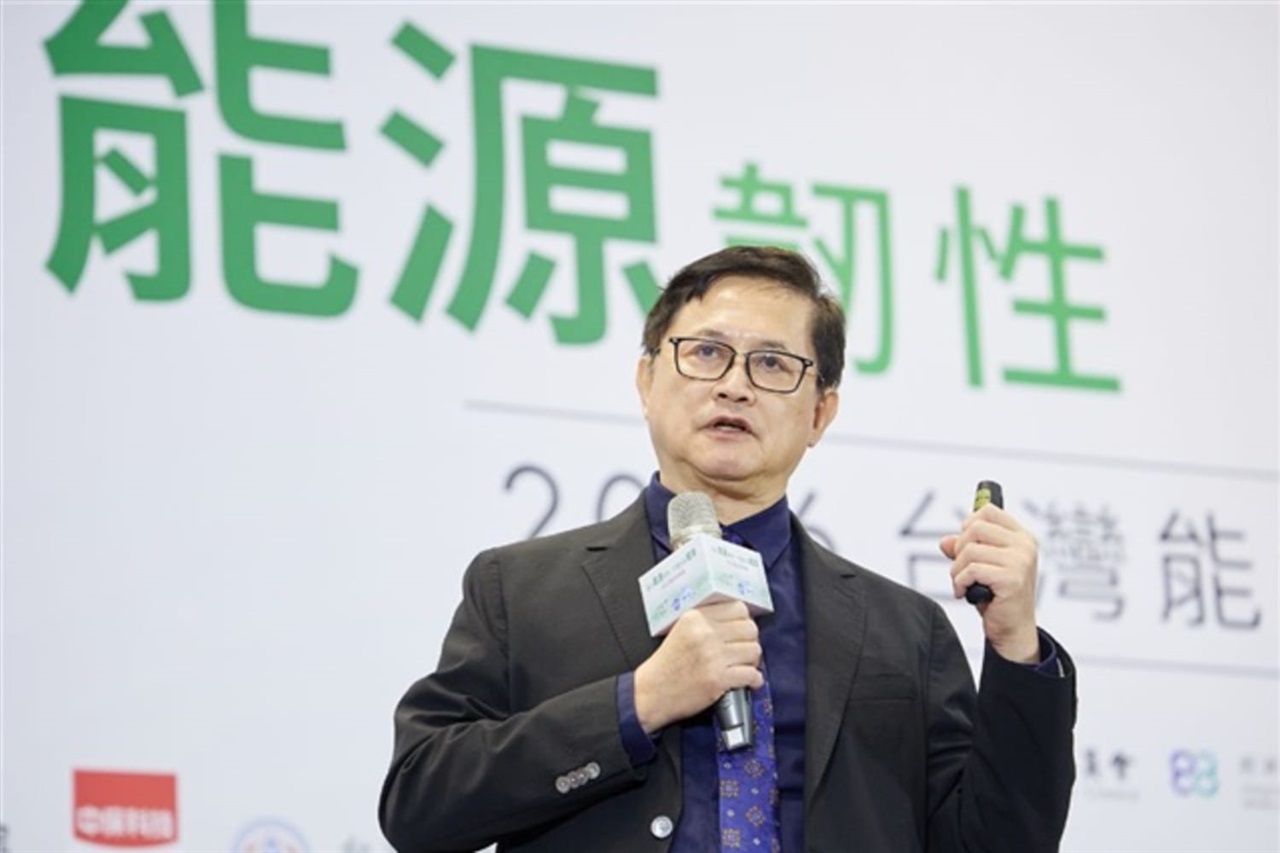
The recent statement by Pegatron chairman T.H. Tung, urging preorders of nuclear fuel as Taiwan considers restarting its power plants, sheds light on a fundamental issue for the entire technology supply chain: energy security. Taiwan, a crucial hub for the production of electronic components and semiconductors, faces significant challenges related to the stability of its energy supply. This situation not only affects hardware manufacturing but extends to the infrastructures hosting high-computational intensity workloads, such as those related to Large Language Models (LLMs).
The availability of reliable and cost-competitive energy is a cornerstone for any large-scale industrial operation. In the context of artificial intelligence, where the energy consumption of GPUs and servers is extremely high, energy supply decisions can directly influence the economic and operational feasibility of projects. Companies that rely on efficient production and high-performing data centers must carefully consider these factors in their strategic planning.
The Energy Needs of On-Premise AI
The deployment of AI solutions, particularly for LLM inference and training, imposes considerable energy requirements. Modern GPUs, such as the A100 or H100 series, are designed to deliver exceptional performance but also demand a substantial amount of electrical power and advanced cooling systems. For organizations opting for a self-hosted AI infrastructure, energy management becomes a central component of the Total Cost of Ownership (TCO), also considering the VRAM and computational capacity of these units.
An on-premise data center dedicated to AI must not only ensure continuous power for the hardware but also manage energy efficiency to contain operational costs. The choice of an on-premise deployment is often driven by data sovereignty needs, regulatory compliance, or the requirement for air-gapped environments. However, these advantages must be balanced with the ability to provide a robust and scalable energy infrastructure, capable of sustaining peak consumption and ensuring consistent throughput without interruptions.
Energy Sovereignty and Operational Control
The discussion on energy supply, such as that raised by Pegatron's chairman, underscores an often-overlooked aspect of technological sovereignty: energy sovereignty. For companies managing sensitive data or critical processes, complete control over the infrastructure also includes ensuring independent and secure energy access. Reliance on unstable power grids or external energy policies can introduce operational and strategic risks.
From an on-premise deployment perspective, the ability to control the entire pipeline, from hardware to software to power supply, offers a superior level of resilience and security. This is particularly true for sectors such as finance or defense, where operational continuity and data protection are absolute priorities. While cloud solutions offer an abstraction of the energy problem, transferring its management to the provider, self-hosted deployment requires a thorough analysis of every component, including the source and stability of energy.
Future Prospects and Strategic Trade-offs
The energy issue, highlighted by Taiwan's situation and the concerns of industry leaders like Pegatron's chairman, is set to remain a critical factor for the evolution of AI. Decisions regarding energy supply will influence not only hardware manufacturing capacity but also the choice between on-premise deployment and cloud solutions for AI workloads. Companies will need to carefully evaluate the trade-offs between energy costs, grid reliability, environmental impact, and their own needs for control and sovereignty.
For those evaluating on-premise deployments, analytical frameworks are available on /llm-onpremise that can help assess these complex trade-offs, considering long-term TCO and specific infrastructure requirements. Energy stability is not just an operational cost but a fundamental constraint that defines an organization's resilience and strategic capability in the age of artificial intelligence.








💬 Comments (0)
🔒 Log in or register to comment on articles.
No comments yet. Be the first to comment!