
The Unexpected Impact of the AI Race on Housing Construction
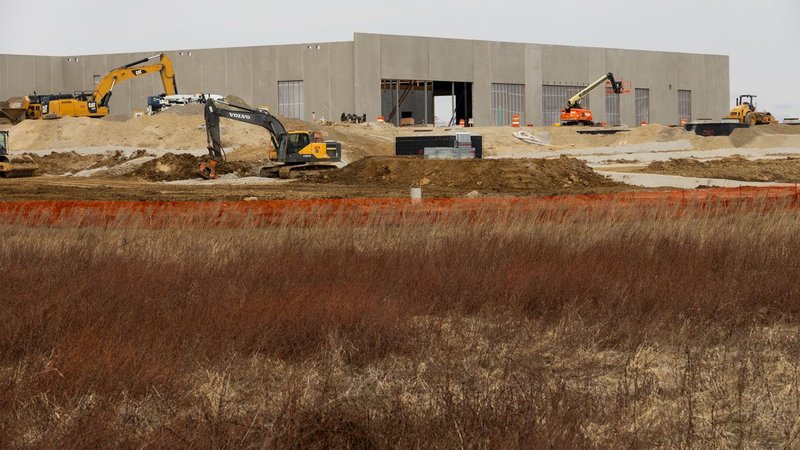
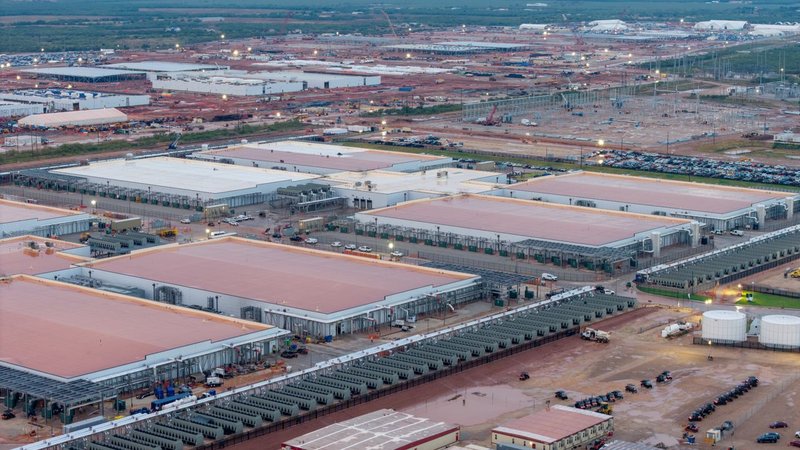
The rapid expansion of data centers dedicated to artificial intelligence is generating ripple effects that extend far beyond the tech sector. In Texas, for instance, the exponential increase in the construction of these infrastructures is having a direct and unexpected impact on the residential housing market. The growing demand for specialized labor, particularly electricians, from AI giants is creating competition that home builders are struggling to meet.
This situation translates into concrete delays for housing projects. Homes under construction in Texas now require approximately two additional months to be completed, a significant timeframe that affects costs and housing availability. The phenomenon highlights how the global race for AI is not just a matter of software development or computing power, but also deeply involves the physical infrastructure and human resources needed to sustain it.
The Growing Demand for Infrastructure and Labor
Modern data centers, especially those designed for intensive AI workloads, are complex ecosystems that require enormous amounts of power and sophisticated cooling systems. Installing high-density GPU racks, managing redundant electrical supplies, and configuring high-speed networks for Large Language Models (LLM) Inference and training demand top-tier electrical and plant engineering skills. Each new data center represents a massive infrastructural project, with a work pipeline that engages hundreds of professionals for months, if not years.
The concentration of these projects in areas like Texas, which offers incentives and space, leads to a saturation of the skilled labor market. The salaries and conditions offered by large data center operators can far exceed those proposed by traditional construction companies, making it difficult for the latter to attract and retain the necessary professionals. This imbalance not only slows down housing construction but can also trigger a general increase in construction costs, with repercussions on the local economy.
Implications for On-Premise Deployments and Planning
For companies evaluating on-premise deployments of AI solutions, the Texas case offers crucial insights. The availability of skilled labor and the costs associated with physical infrastructure are decisive factors in calculating the Total Cost of Ownership (TCO). A thorough analysis cannot ignore the evaluation of local resources, including the specialized workforce, and the potential competition with other large infrastructural projects.
Planning a self-hosted or bare metal AI infrastructure requires a holistic vision that considers not only hardware (GPUs with adequate VRAM, network throughput) and software (Frameworks for LLM, orchestration systems), but also the entire support ecosystem. The choice between an on-premise approach and a cloud solution must take into account these external constraints, which can significantly influence implementation times and budgets. AI-RADAR offers analytical frameworks on /llm-onpremise to evaluate these trade-offs, helping organizations make informed decisions about data sovereignty and infrastructure control.
A Look at the Future of AI Expansion
The phenomenon observed in Texas is a wake-up call suggesting that the exponential growth of AI is putting pressure not only on silicio supply chains but also on civil infrastructure and the availability of technical skills. As more and more sectors adopt artificial intelligence, the need for dedicated data centers will continue to grow, potentially replicating similar scenarios in other regions.
Addressing these challenges will require coordination among industry, local governments, and educational institutions to ensure a steady flow of qualified professionals. For businesses, this means integrating a realistic assessment of infrastructural capabilities and resource availability into their AI strategy, whether opting for an on-premise, hybrid, or cloud-based deployment. The sustainability of AI expansion will depend on the ability to manage not only technological innovations but also their profound real-world implications.








💬 Comments (0)
🔒 Log in or register to comment on articles.
No comments yet. Be the first to comment!