The Artificial Intelligence Wave and Supply Chain Pressure
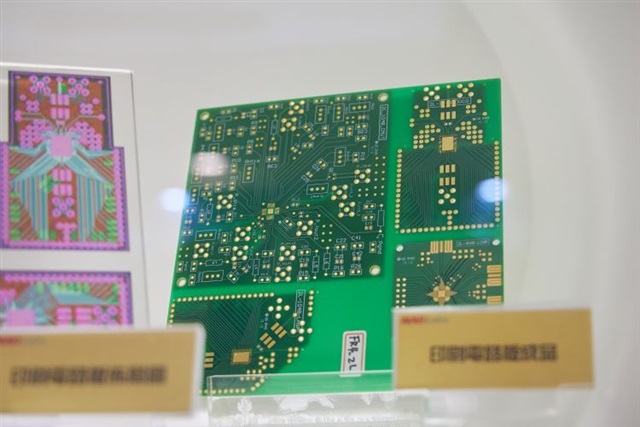
The current wave of innovation in Artificial Intelligence, particularly with the widespread adoption of Large Language Models (LLMs), is reshaping the global technological landscape. This exponential growth translates into unprecedented demand for specialized hardware, from Graphics Processing Units (GPUs) to accelerator chips, which form the backbone of AI infrastructures. At the heart of this complex production network are Printed Circuit Boards (PCBs), fundamental components that ensure connectivity, power delivery, and signal integrity within every electronic device.
The PCB market, already strategic, is now facing significant pressure. Taiwan, a crucial hub for semiconductor and electronic component manufacturing, is at the center of this dynamic. The surge in AI demand is prompting the island to actively explore new sources for PCB materials, a strategic move to mitigate risks associated with reliance on a limited number of suppliers and to ensure production continuity in a rapidly expanding sector.
The Critical Role of PCBs in AI Hardware
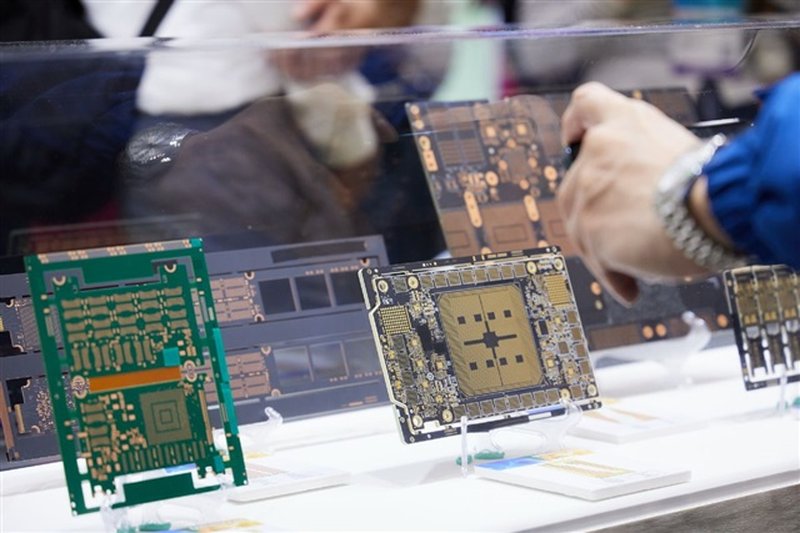
Printed Circuit Boards are not mere component supports; they are complex engineering elements that must meet extremely stringent requirements for next-generation AI hardware. GPUs and accelerators dedicated to LLM Inference and training demand PCBs with high power handling capabilities, multiple layers for routing high-frequency signals, and advanced materials for efficient heat dissipation. The component density, data transmission speed, and the need to minimize electromagnetic interference make the design and production of these PCBs a significant technical challenge.
Taiwan's search for alternative suppliers for PCB materials underscores the criticality of these components. A disruption in supply or a limitation in the production capacity of basic materials could have cascading repercussions throughout the entire AI hardware supply chain, slowing down the availability of essential GPUs and servers for the development and deployment of LLM-based solutions. This scenario highlights the importance of supply chain resilience for companies planning significant investments in AI infrastructure.
Implications for On-Premise Deployments and TCO
For CTOs, DevOps leads, and infrastructure architects evaluating on-premise LLM deployments, hardware supply chain stability is a decisive factor. The choice of self-hosted or air-gapped solutions is often driven by the need to maintain data sovereignty, ensure regulatory compliance, and have total control over the operational environment. However, these advantages can be compromised if the procurement of necessary hardware becomes uncertain or costly.
Taiwan's diversification of PCB material suppliers is an indicator of market volatility. This translates into potential variations in the Total Cost of Ownership (TCO) for on-premise AI infrastructures. Extended lead times or increased component costs can significantly impact initial CapEx and future expansion planning. For those evaluating on-premise deployments, AI-RADAR offers analytical frameworks on /llm-onpremise to assess the trade-offs between hardware availability, costs, and performance, emphasizing how supply chain resilience is a fundamental pillar for the long-term sustainability of these strategic choices.
Future Outlook and the Need for Resilience
The Artificial Intelligence boom is set to continue, and with it, the pressure on the global supply chain. Taiwan's move to seek second-source PCB materials is a clear signal that the industry is adapting to this new reality. Companies relying on AI hardware will need to carefully consider the robustness of their supply chains and their partners' ability to navigate an increasingly dynamic market.
Ensuring a steady flow of critical components, such as PCB materials, will become a competitive advantage. Technology decision-makers will need to balance the pursuit of cutting-edge performance with the need for stability and predictability in hardware costs and availability. Supply chain resilience is no longer just an operational issue but a strategic factor that will directly influence organizations' ability to innovate and maintain control over their AI infrastructures.







💬 Comments (0)
🔒 Log in or register to comment on articles.
No comments yet. Be the first to comment!