Europe Towards Digital Independence
For over a decade, Europe has relied on US Big Tech for the foundations of its digital economy. However, with tightening regulations, geopolitical tensions, and the strategic importance of artificial intelligence, this dependence is becoming increasingly unsustainable.
The European Commission has launched a consultation on open source, aiming to encourage European developer communities to create and maintain fundamental digital infrastructures for the continent's technological autonomy.
European Alternatives: An Expanding Ecosystem
Many European companies offer viable alternatives to Big Tech solutions, covering various sectors:
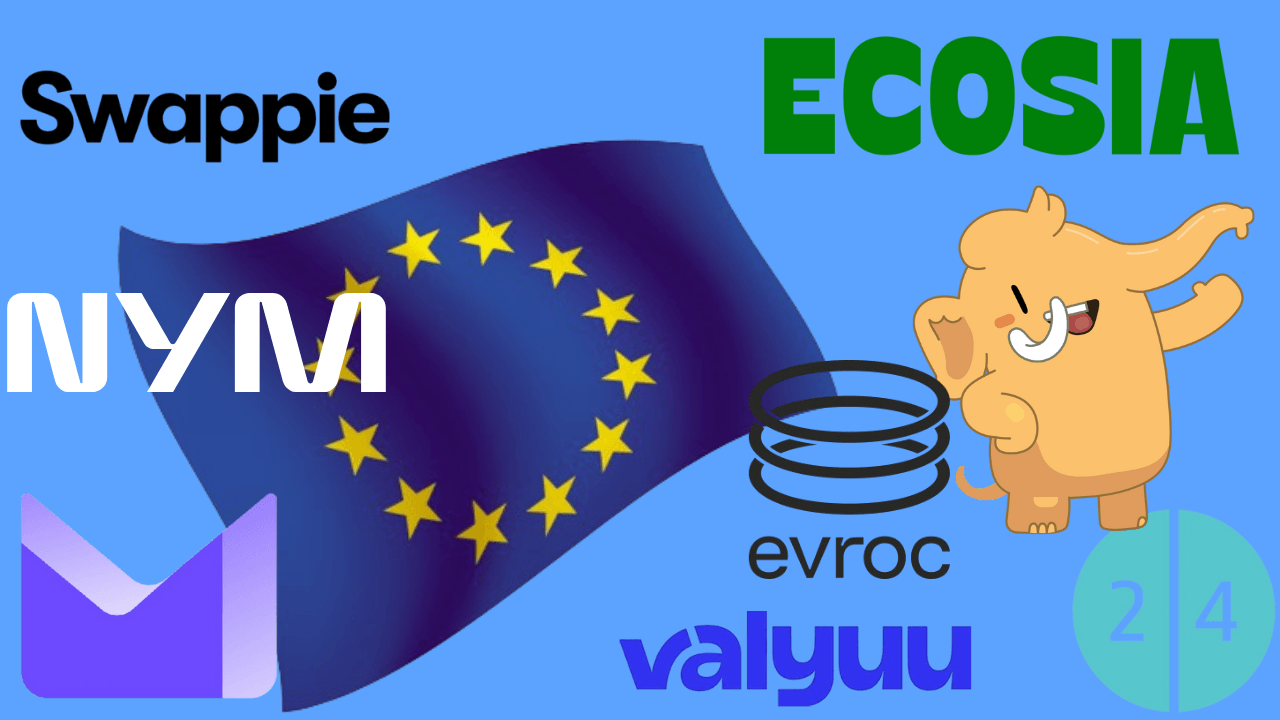
- Cloud infrastructures: Crypt.ee, DNS4EU, Evroc, Exoscale, Hetzner, IONOS Cloud, Open Telekom Cloud, OVHcloud, Scaleway, UpCloud.
- Artificial intelligence: Aleph Alpha, Dataiku, DeepL, eTranslation, Internxt AI, LightOn, Mistral AI, Noxtua, Silo AI, Tilde.
- Developer platforms: Capacities, Firebase, GitLab, Lovable, Infobip, Krock.io.
- Collaboration and chat: Element, Jitsi, Nextcloud Talk, Olvid, Wire.
- Email and productivity: Infomaniak, Nextcloud, OnlyOffice, Proton, Tutanota.
- Search and browsing: Brave, Ecosia, Mojeek, Qwant, Startpage, Vivaldi.
- VPN: Nym.
- Maps and location: OpenStreetMap, Organic Maps.
- Marketplaces: BackMarket, Bought, BuyCycle, Codressing, Faircado, Liki24, NOLD, OnBuy, Swappie, Uphavin, Valyuu, Vinted.
- Social and content: Dailymotion, Lemmy, Mastodon, Open Vibe, PeerTube.
- Hardware: Nothing, Murena, Fairphone.
The Role of the German Sovereign Tech Fund
A virtuous example of state intervention is the German Sovereign Tech Fund, which invests in fundamental open-source technologies, treating them as an essential public good. In its first two years, it has invested €23 million in over 60 projects worldwide.








💬 Comments (0)
🔒 Log in or register to comment on articles.
No comments yet. Be the first to comment!