
L'infrastruttura AI spinge i ricavi dei distributori di componenti: un anno di crescita record
Un recente report ha evidenziato una crescita eccezionale nel settore della distribuzione di circuiti integrati, direttamente correlata all'espansione dell'intelligenza artificiale. Secondo le analisi, la spesa per l'infrastruttura AI ha raddoppiato i ricavi di un distributore di componenti in un solo anno. Questo dato non solo sottolinea l'intensità degli investimenti nel campo dell'AI, ma riflette anche la rapida evoluzione delle esigenze hardware per supportare carichi di lavoro sempre più complessi, in particolare quelli legati ai Large Language Models (LLM).
La domanda di capacità di calcolo e di storage è in costante aumento, spingendo le aziende a investire in soluzioni robuste e scalabili. Questo trend è un indicatore chiaro di come l'AI stia trasformando non solo i modelli di business, ma anche l'intera catena di fornitura tecnicica, con un impatto significativo sui produttori e distributori di silicio e componenti correlati.
Il Contesto della Crescita e le Implicazioni Hardware
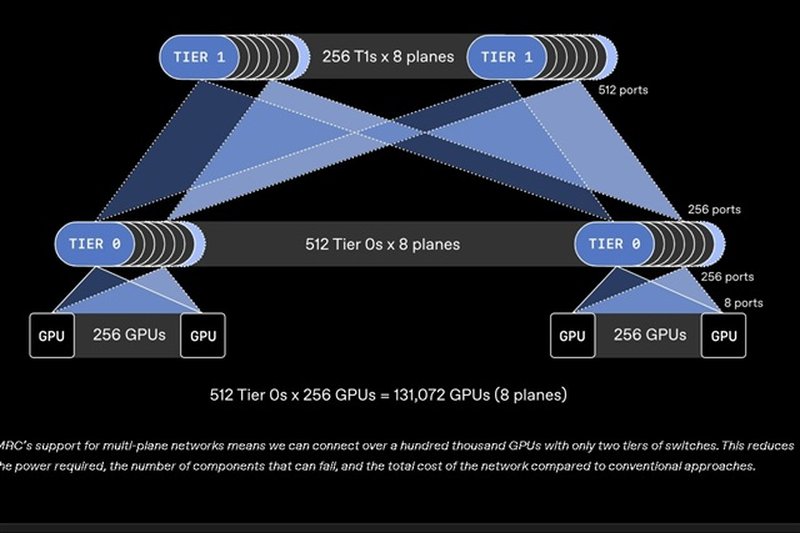
La crescita esponenziale dei ricavi dei distributori di IC è un sintomo della corsa globale all'adozione dell'AI, con un'enfasi particolare sui deployment di LLM. Le organizzazioni, dalle startup alle grandi imprese, stanno cercando soluzioni per gestire l'Inference e il training di modelli sempre più grandi, che richiedono risorse hardware specifiche. Questo include GPU ad alte prestazioni con elevata VRAM, interconnessioni a bassa latenza come NVLink e sistemi di storage ad alta velocità.
La necessità di mantenere il controllo sui dati, garantire la compliance e ottimizzare il Total Cost of Ownership (TCO) spinge molte aziende a valutare deployment self-hosted o ibridi. Questi approcci richiedono un investimento significativo in hardware proprietario, alimentando la domanda per i componenti distribuiti. La disponibilità di GPU di ultima generazione, come le serie H100 o A100 di NVIDIA, è diventata un fattore critico per la capacità delle aziende di implementare le proprie strategie AI.
On-Premise vs. Cloud: I Trade-off per i LLM
La decisione tra un deployment on-premise e l'utilizzo di servizi cloud per i carichi di lavoro AI, specialmente per i LLM, presenta una serie di trade-off complessi. Le soluzioni on-premise offrono un controllo senza pari sulla sovranità dei dati, un aspetto cruciale per settori regolamentati o per ambienti air-gapped. Permettono inoltre di ottimizzare le performance per carichi di lavoro specifici, riducendo la latenza e massimizzando il throughput attraverso configurazioni hardware personalizzate.
Tuttavia, un deployment on-premise comporta un CapEx iniziale elevato e la necessità di gestire l'infrastruttura internamente, inclusi aspetti come il raffreddamento e l'alimentazione. Al contrario, le soluzioni cloud offrono flessibilità e un modello OpEx, ma possono presentare vincoli in termini di sovranità dei dati, costi a lungo termine per carichi di lavoro intensivi e potenziale latenza di rete. La scelta dipende strettamente dalle priorità strategiche dell'azienda, dalla sensibilità dei dati e dal volume di utilizzo previsto.
Prospettive Future e Decisioni Strategiche
L'incremento dei ricavi dei distributori di componenti IC evidenzia una tendenza di mercato che probabilmente continuerà. Le aziende che desiderano sfruttare appieno il potenziale dei LLM devono affrontare decisioni strategiche complesse riguardo alla loro infrastruttura AI. La valutazione non si limita alla potenza di calcolo, ma include anche la gestione del ciclo di vita dei modelli, le pipeline di Fine-tuning e la capacità di scalare l'Inference in base alle esigenze.
Per chi valuta deployment on-premise, AI-RADAR offre framework analitici su /llm-onpremise per valutare i trade-off tra controllo, performance e costi. La capacità di scegliere l'hardware giusto e di implementare una strategia di deployment che bilanci esigenze di performance, sicurezza e TCO sarà fondamentale per il successo nell'era dell'intelligenza artificiale.







💬 Commenti (0)
🔒 Accedi o registrati per commentare gli articoli.
Nessun commento ancora. Sii il primo a commentare!