Introduzione
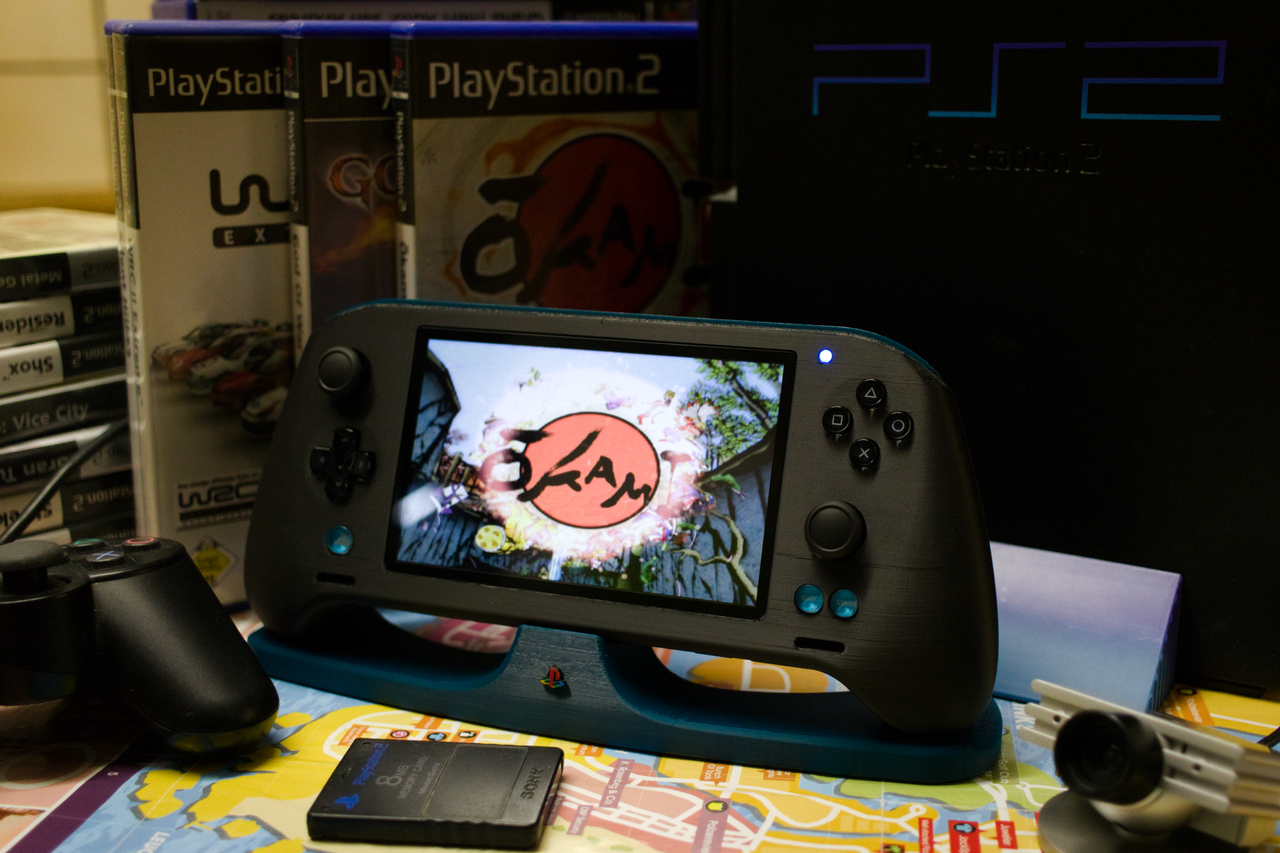
Nel panorama tecnicico attuale, dove l'innovazione è spesso guidata da grandi aziende, emergono periodicamente progetti che celebrano l'ingegno individuale e la passione per l'hardware. Un esempio lampante è la creazione di una "PlayStation 2 Portable", un dispositivo che racchiude l'iconica console Sony in un formato palmare. Questo progetto non è una semplice emulazione, ma una vera e propria riprogettazione che integra il silicio originale della PS2 in un nuovo chassis.
L'iniziativa è opera di un singolo appassionato che ha dedicato tempo e risorse al reverse engineering della console. L'obiettivo era ambizioso: non solo miniaturizzare l'hardware, ma anche migliorarne l'usabilità con funzionalità contemporanee, pur mantenendo l'autenticità dell'esperienza di gioco offerta dalla piattaforma originale.
Il Dettaglio Tecnico della Riprogettazione
Il cuore di questo progetto risiede nella progettazione di una scheda madre personalizzata. Questo passaggio è cruciale e rappresenta la sfida tecnica più significativa. Il reverse engineering della PlayStation 2 ha permesso di comprendere a fondo l'architettura interna, i requisiti di alimentazione e i percorsi dei segnali, indispensabili per ricreare un sistema funzionale in un formato drasticamente ridotto.
L'integrazione del silicio originale della PS2 implica la gestione di componenti che non erano stati concepiti per un ambiente portatile. Questo include la dissipazione del calore, l'ottimizzazione del consumo energetico e la miniaturizzazione dei circuiti ausiliari. La capacità di combinare questi elementi legacy con funzionalità moderne, come display ad alta risoluzione o batterie ad alta capacità, è una testimonianza delle competenze ingegneristiche messe in campo.
Contesto e Implicazioni per l'Hardware Custom
Sebbene questo progetto sia legato al mondo del gaming, le sue implicazioni risuonano anche in ambiti più ampi, come quello dei deployment di Large Language Models (LLM) on-premise. La capacità di manipolare e riprogettare l'hardware a livello di silicio, sebbene su scale diverse, riflette la stessa filosofia di controllo e ottimizzazione che spinge le aziende a considerare soluzioni self-hosted.
La scelta di utilizzare il silicio originale, anziché l'emulazione software, evidenzia il desiderio di massimizzare l'autenticità e le prestazioni. Questo parallelo è evidente nel settore AI, dove la selezione di specifiche GPU (come A100 o H100) e la loro configurazione bare metal sono fondamentali per raggiungere determinati livelli di throughput e latenza. Per chi valuta deployment on-premise, esistono trade-off significativi tra soluzioni standardizzate e l'investimento in hardware custom o altamente ottimizzato, come discusso nei framework analitici offerti da AI-RADAR su /llm-onpremise.
Prospettiva Finale sull'Ingegneria del Silicio
La realizzazione di una PlayStation 2 Portable è più di un semplice esercizio di modding; è una dimostrazione pratica di ingegneria hardware avanzata. Sottolinea l'importanza di una profonda comprensione del silicio sottostante e la capacità di adattarlo a nuove esigenze e formati.
Questo tipo di progetti, sebbene di nicchia, ispira e dimostra che il controllo completo sulla pila tecnicica, dal chip al fattore di forma, può portare a soluzioni uniche e altamente performanti, un principio che trova applicazione anche nelle infrastrutture AI più complesse e specializzate.



💬 Commenti (0)
🔒 Accedi o registrati per commentare gli articoli.
Nessun commento ancora. Sii il primo a commentare!