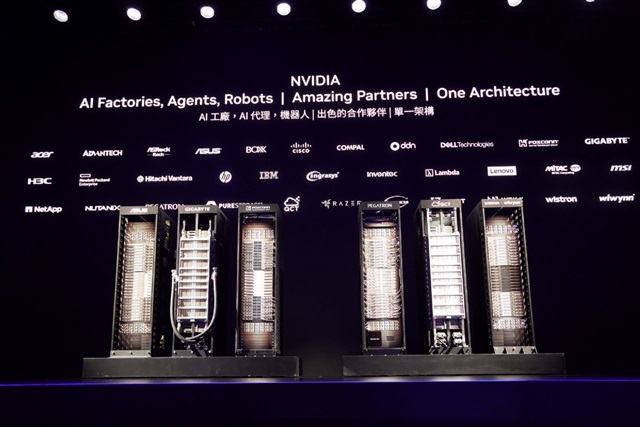
Nvidia GB300: il motore della nuova ondata di server AI
Il settore dell'intelligenza artificiale sta vivendo un'accelerazione senza precedenti, e al centro di questa trasformazione si posiziona il processore Nvidia GB300. Questo componente è riconosciuto come un catalizzatore primario per l'attuale boom dei server AI, spingendo le aziende a investire in infrastrutture sempre più potenti e specializzate. La sua architettura è progettata per affrontare le esigenze computazionali estreme dei Large Language Models (LLM), sia in fase di training che di Inference, rendendolo un elemento cruciale per l'evoluzione delle capacità AI.
L'impatto del GB300 non si limita alla pura potenza di calcolo. La sua integrazione nelle piattaforme server di nuova generazione promette di migliorare l'efficienza energetica e la densità di calcolo, fattori determinanti per le aziende che valutano deployment su larga scala. Questo si traduce in un vantaggio competitivo per chi cerca di ottimizzare il Total Cost of Ownership (TCO) delle proprie infrastrutture AI, bilanciando performance e costi operativi.
La fase "Vera Rubin" e le sue implicazioni
Un ulteriore impulso a questo mercato in fermento arriva con l'avvicinarsi della fase "Vera Rubin", il cui avvio è previsto per il terzo trimestre. Sebbene i dettagli specifici di questa iniziativa non siano stati divulgati, il suo posizionamento temporale suggerisce un'importante rampa di produzione o il rilascio di nuove soluzioni che sfrutteranno appieno le capacità del GB300. Questo evento è destinato a influenzare la disponibilità e l'adozione di server AI avanzati, fornendo alle imprese gli strumenti necessari per scalare le proprie operazioni di intelligenza artificiale.
La "fase Vera Rubin" potrebbe rappresentare un momento chiave per l'ecosistema AI, potenzialmente introducendo nuove configurazioni hardware, Framework ottimizzati o strategie di Deployment innovative. Per CTO e architetti infrastrutturali, monitorare questi sviluppi è fondamentale per pianificare gli investimenti futuri e garantire che le proprie architetture siano pronte a integrare le tecnicie più recenti e performanti.
Deployment on-premise: controllo, sovranità e TCO
L'emergere di hardware come il GB300 rafforza la fattibilità e l'attrattiva dei deployment AI self-hosted e on-premise. Per molte organizzazioni, in particolare quelle operanti in settori regolamentati come la finanza o la sanità, la sovranità dei dati e la compliance normativa sono priorità assolute. Avere il controllo diretto sull'infrastruttura, spesso in ambienti air-gapped, è essenziale per mitigare i rischi e soddisfare i requisiti di sicurezza.
In questo contesto, la scelta di investire in server AI basati su tecnicie come il GB300 diventa strategica. Permette alle aziende di mantenere i dati sensibili all'interno dei propri confini, riducendo la dipendenza da fornitori cloud esterni e ottimizzando il TCO a lungo termine, nonostante un CapEx iniziale potenzialmente più elevato. Per chi valuta deployment on-premise, AI-RADAR offre framework analitici su /llm-onpremise per valutare i trade-off tra controllo, performance e costi operativi.
Prospettive future per l'infrastruttura AI
L'accelerazione guidata dal GB300 e l'imminente fase "Vera Rubin" indicano una chiara direzione per il mercato dei server AI: una continua spinta verso maggiore potenza, efficienza e specializzazione. Le aziende dovranno affrontare la sfida di integrare queste nuove capacità nelle proprie Pipeline esistenti, ottimizzando i processi di Fine-tuning e Inference per sfruttare al meglio il potenziale offerto.
Il futuro dell'infrastruttura AI sarà caratterizzato da un equilibrio tra innovazione hardware e strategie di Deployment flessibili. La capacità di scegliere tra soluzioni self-hosted, cloud o ibride, basandosi su un'analisi approfondita dei requisiti di performance, sicurezza e TCO, sarà determinante per il successo delle iniziative AI a livello enterprise.



💬 Commenti (0)
🔒 Accedi o registrati per commentare gli articoli.
Nessun commento ancora. Sii il primo a commentare!