A Strategic Boost for Italian Deeptech in Graphene Optical Chips
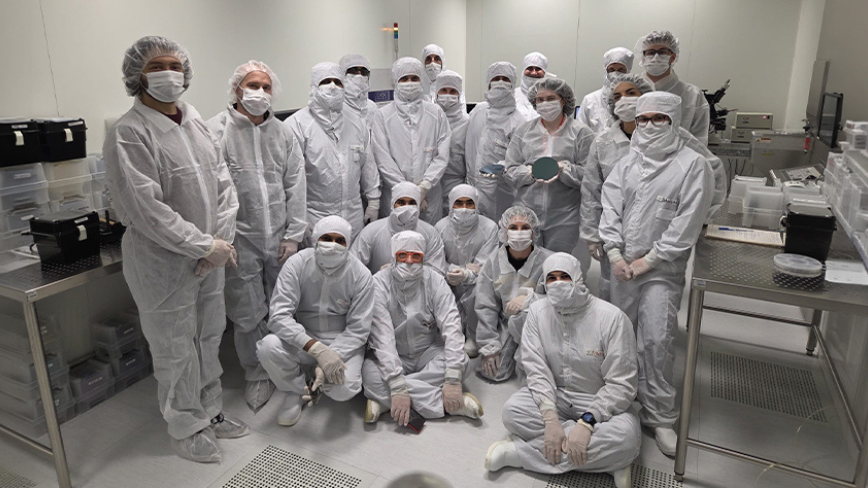
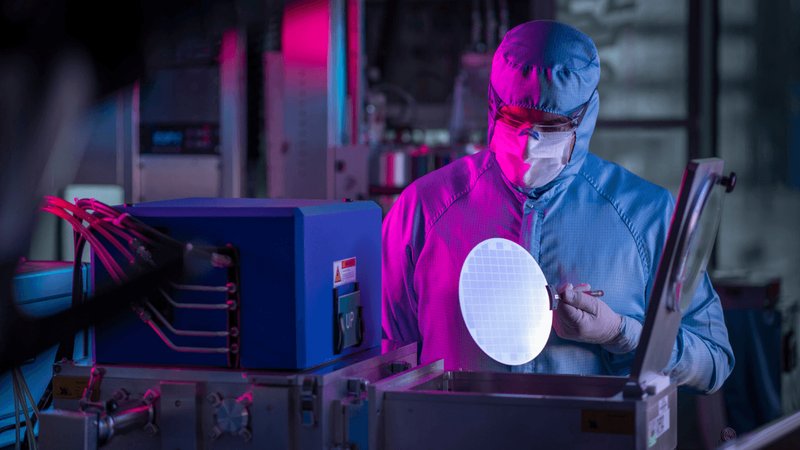
CamGraPhIC, a subsidiary of Milan-based 2D Photonics, has secured significant approval from the European Commission for €211 million in Italian state funding. This substantial investment is earmarked for the industrialization of its graphene photonic interconnect technology and the establishment of a pilot manufacturing line near Milan. The initiative marks a crucial step for the Italian deeptech landscape, positioning the country at the forefront of advanced hardware component development.
The funding not only strengthens CamGraPhIC's production capabilities but also highlights the growing recognition of the strategic importance of emerging technologies for digital infrastructure. In an era where the demand for high-speed computing power and data transfer is constantly increasing, especially for LLM workloads, the development of innovative solutions like graphene photonic chips becomes fundamental for maintaining a competitive edge and ensuring technological sovereignty.
The Promise of Graphene Photonics for AI Infrastructure
Graphene-based photonic interconnect technology represents a significant evolution over traditional electronic solutions. Graphene, a two-dimensional material with exceptional electrical and optical properties, enables the creation of components that can transmit data using light instead of electrons. This approach promises to overcome the speed and energy consumption limitations of current silicio interconnects, drastically reducing latency and increasing throughput within data centers and between chips.
For companies evaluating on-premise deployments of LLMs and AI workloads, adopting hardware based on graphene photonics could translate into substantial advantages. Greater energy efficiency and reduced latency are critical factors that directly influence the TCO (Total Cost of Ownership) of AI infrastructures. Faster, less energy-intensive components allow for processing more tokens per second, optimizing GPU utilization and reducing long-term operational costs, a key aspect for those managing local stacks and private data centers.
Market Context and Implications for On-Premise Deployments
The artificial intelligence sector, particularly Large Language Models, demands increasingly high-performance and scalable computing infrastructures. The ability to manage enormous data volumes and perform complex inference with low latency is a non-negotiable requirement. In this scenario, hardware innovation, such as that proposed by CamGraPhIC, becomes an enabling factor for the evolution of AI systems. The availability of advanced optical chips can unlock new possibilities for server and network architecture, making on-premise deployments even more competitive compared to cloud solutions.
The choice of an on-premise deployment is often driven by needs for data sovereignty, regulatory compliance, and direct control over infrastructure. Investment in frontier hardware technologies, developed locally, helps strengthen this strategy, offering robust and high-performing alternatives. For those evaluating the trade-offs between cloud and self-hosted solutions, the emergence of components like graphene photonic chips represents an element to be carefully considered in TCO analysis and technological roadmap planning.
Italy as a Protagonist in AI Hardware Innovation
This funding for CamGraPhIC's graphene photonic technology positions Italy as a relevant player in the development of fundamental hardware technologies for the future of AI. The ability to locally produce critical components not only stimulates the economy and employment but also ensures greater strategic autonomy in a high-tech intensive sector. Public investment in deeptech research and development is essential to build a robust ecosystem that can support the computing and data needs of future generations of LLMs.
The commitment to the industrialization of these advanced technologies reflects a long-term vision, aimed at providing the necessary hardware foundations to address the most complex computational challenges. For CTOs and infrastructure architects, monitoring the development of these innovations is crucial, as they will determine the capabilities and limitations of future artificial intelligence deployments, both in air-gapped environments and in hybrid configurations.




💬 Comments (0)
🔒 Log in or register to comment on articles.
No comments yet. Be the first to comment!