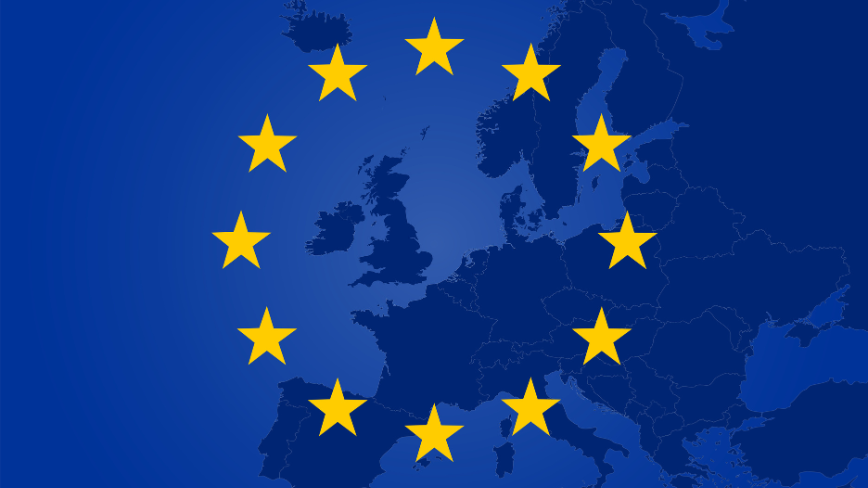
L'Europa consolida la sua strategia per il cloud sovrano
La Commissione Europea ha compiuto un passo significativo verso il rafforzamento della propria autonomia digitale, assegnando un contratto framework di sei anni del valore di 180 milioni di euro per la fornitura di servizi di cloud sovrano. Questo accordo strategico mira a garantire che i dati sensibili e le infrastrutture critiche dell'Unione Europea siano gestiti all'interno di confini normativi e operativi che ne tutelino la sovranità e la sicurezza. L'iniziativa riflette una crescente consapevolezza, tra le istituzioni e le aziende, dell'importanza di mantenere il controllo sui propri asset digitali, specialmente in un'era dominata dai Large Language Models (LLM) e da carichi di lavoro AI sempre più esigenti.
Il contratto è stato assegnato a quattro consorzi di fornitori europei, selezionati per la loro capacità di offrire soluzioni che rispettino i rigorosi requisiti di sicurezza e conformità dell'UE. Tra i vincitori figurano Post Telecom, in collaborazione con CleverCloud e OVHcloud, StackIT, Scaleway, e un consorzio guidato da Proximus, che include S3NS (una joint venture tra Thales e Google Cloud), Clarence e Mistral. Questa diversificazione dei fornitori è pensata per creare un ecosistema robusto e competitivo, capace di rispondere alle esigenze complesse delle istituzioni europee.
La definizione di "sovranità" e l'inclusione di tecnicie non europee
Un aspetto particolarmente rilevante di questo contratto è l'inclusione del consorzio Proximus, che vede la partecipazione di S3NS, una joint venture che coinvolge Google Cloud. Questa scelta segnala una definizione pragmatica di "sovranità" da parte della Commissione Europea: le tecnicie sviluppate al di fuori dell'Europa possono qualificarsi come "sovrane" a condizione che siano operate e gestite all'interno di un framework normativo e operativo sufficientemente stringente. Ciò implica che il controllo sui dati, la loro localizzazione fisica e la conformità alle normative europee, come il GDPR, siano garantiti in modo inequivocabile, indipendentemente dall'origine della tecnicia sottostante.
Per le organizzazioni che valutano le proprie strategie di deployment, questa flessibilità nella definizione di sovranità è cruciale. Essa apre la porta a soluzioni ibride che possono sfruttare l'innovazione e la scalabilità dei fornitori globali, mantenendo al contempo un elevato livello di controllo e compliance. La sfida risiede nell'implementazione di architetture che isolino i dati e le operazioni critiche, garantendo che i requisiti di air-gapped o di residenza dei dati siano rispettati, anche quando si integrano componenti di terze parti.
Implicazioni per il deployment e il Total Cost of Ownership (TCO)
La scelta di un cloud sovrano, rispetto a un deployment on-premise puro o a un cloud pubblico tradizionale, comporta una serie di trade-off che i CTO e gli architetti infrastrutturali devono considerare attentamente. Se da un lato il cloud sovrano offre un equilibrio tra la flessibilità e la scalabilità del cloud e la garanzia di controllo sui dati, dall'altro può presentare vincoli specifici in termini di personalizzazione e accesso a determinate tecnicie all'avanguardia, come le GPU di ultima generazione essenziali per l'Inference e il training di LLM.
L'analisi del Total Cost of Ownership (TCO) diventa fondamentale in questo contesto. Un deployment on-premise, ad esempio, richiede un investimento iniziale (CapEx) significativo in hardware, come server con VRAM sufficiente per i modelli più grandi, e costi operativi per la gestione e la manutenzione. Il cloud sovrano, pur spostando parte del CapEx in OpEx, introduce costi legati alla conformità e ai servizi gestiti, che devono essere valutati rispetto ai benefici in termini di sovranità dei dati e riduzione del rischio normativo. Per chi valuta deployment on-premise, AI-RADAR offre framework analitici su /llm-onpremise per valutare questi trade-off complessi.
Prospettive future per la sovranità digitale europea
L'assegnazione di questo contratto framework segna un momento importante per la strategia digitale dell'Europa. Non solo fornisce un'infrastruttura critica per le istituzioni, ma stabilisce anche un precedente per come la sovranità dei dati possa essere interpretata e implementata in un panorama tecnicico globale e interconnesso. La capacità di integrare soluzioni innovative, pur mantenendo un controllo rigoroso sui dati, sarà essenziale per il futuro sviluppo di servizi digitali sicuri e conformi.
In un'epoca in cui la gestione dei dati e l'intelligenza artificiale sono al centro delle strategie aziendali e governative, la definizione di "cloud sovrano" continuerà a evolversi. Le decisioni di deployment, che bilanciano performance, costo e controllo, rimarranno una priorità per i decision-makers tecnici. L'UE, con questo contratto, dimostra la volontà di forgiare un percorso che garantisca la sicurezza e l'autonomia digitale, senza precludere l'accesso all'innovazione globale, a patto che i principi di sovranità siano saldamente rispettati.








💬 Commenti (0)
🔒 Accedi o registrati per commentare gli articoli.
Nessun commento ancora. Sii il primo a commentare!