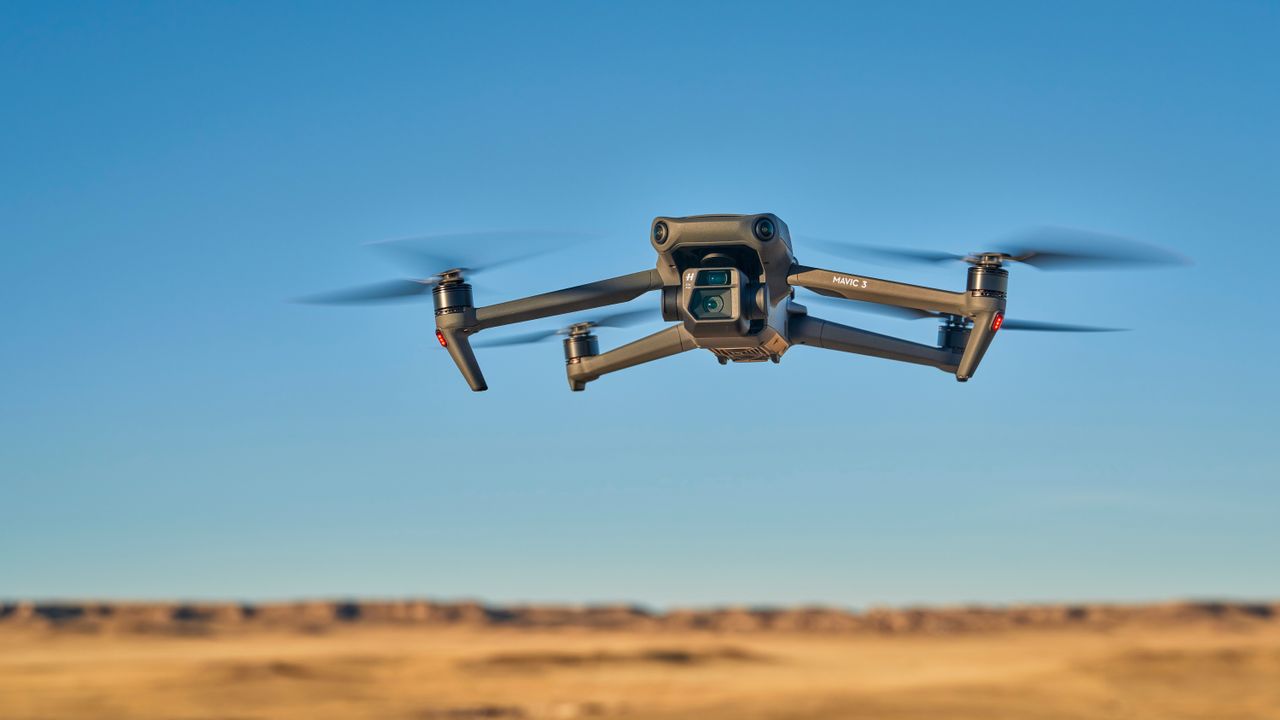
Un nuovo approccio alla neutralizzazione dei droni: la "bola" meccanica tedesca
L'espansione dell'uso dei droni, dai modelli consumer come i DJI quadricotteri a quelli professionali, ha sollevato nuove sfide in termini di sicurezza e controllo dello spazio aereo. La necessità di contromisure efficaci, affidabili e talvolta a basso costo è diventata una priorità per molte organizzazioni e forze di sicurezza. In questo contesto, ricercatori tedeschi hanno sviluppato una soluzione innovativa che si distingue per la sua semplicità meccanica e la sua efficacia.
Si tratta di un lanciatore portatile da 40 mm, progettato specificamente per intercettare e neutralizzare i droni. L'approccio si basa su un concetto che ricorda la "bola", uno strumento tradizionale utilizzato per la caccia. Invece di proiettili convenzionali, il sistema spara catene d'acciaio lunghe circa due metri (6,5 piedi) a una velocità di 80 metri al secondo. L'obiettivo è avvolgere le eliche del drone, bloccandole e causandone la caduta.
Dettagli tecnici e filosofia "low-tech"
Il cuore di questa innovazione risiede nella sua filosofia "low-tech". A differenza di altre soluzioni più complesse che impiegano laser ad alta energia o impulsi elettromagnetici (EMP) per disabilitare i droni, il sistema tedesco si affida a principi meccanici consolidati. Questa scelta progettuale comporta diversi vantaggi, tra cui una potenziale riduzione dei costi di produzione e manutenzione, una maggiore robustezza in diversi ambienti operativi e l'assenza di emissioni che potrebbero essere rilevate o avere effetti collaterali indesiderati.
La precisione e la velocità di lancio delle catene d'acciaio sono cruciali per il successo dell'intercettazione. La lunghezza delle catene è stata ottimizzata per massimizzare la probabilità di impiglio con le eliche dei quadricotteri, anche in condizioni di volo dinamiche. Questo approccio meccanico offre un'alternativa pratica e diretta per affrontare la minaccia dei droni, in particolare quelli di piccole e medie dimensioni che sono ampiamente diffusi, superando in efficacia le soluzioni basate su reti o tessuti.
Contesto operativo e implicazioni per la sicurezza
Il deployment di sistemi anti-drone richiede un'attenta valutazione dei trade-off tra efficacia, costo, complessità operativa e requisiti di manutenzione. Soluzioni basate su laser o EMP, pur essendo tecnicicamente avanzate, possono presentare costi iniziali elevati, necessità di personale specializzato e vincoli legati alla sicurezza operativa. Al contrario, un sistema come il lanciatore da 40 mm offre una soluzione più accessibile e potenzialmente più rapida da implementare su larga scala.
Per i decision-maker che valutano le opzioni per la protezione di infrastrutture critiche, eventi pubblici o aree sensibili, la "bola" meccanica tedesca rappresenta un'opzione da considerare. La sua natura portatile e la relativa semplicità d'uso potrebbero renderla adatta per scenari di intervento rapido o per l'integrazione in strategie di difesa aerea multi-livello.
Prospettive future e il valore della semplicità
L'innovazione dei ricercatori tedeschi sottolinea come, anche nell'era delle tecnicie avanzate, soluzioni ingegneristiche intelligenti e a bassa complessità possano offrire risposte efficaci a problemi moderni. La capacità di neutralizzare droni senza ricorrere a sistemi energetici complessi o a tecnicie di disturbo elettronico apre nuove strade per la sicurezza anti-drone.
Questo sviluppo evidenzia il valore di esplorare un ampio spettro di approcci, dai più sofisticati a quelli che sfruttano principi meccanici consolidati. La "bola" meccanica non solo offre una contromisura pratica, ma stimola anche la riflessione sull'importanza della resilienza e dell'efficienza nelle soluzioni di sicurezza, un principio che risuona anche in altri ambiti tecnicici, inclusi i deployment di infrastrutture critiche.








💬 Commenti (0)
🔒 Accedi o registrati per commentare gli articoli.
Nessun commento ancora. Sii il primo a commentare!