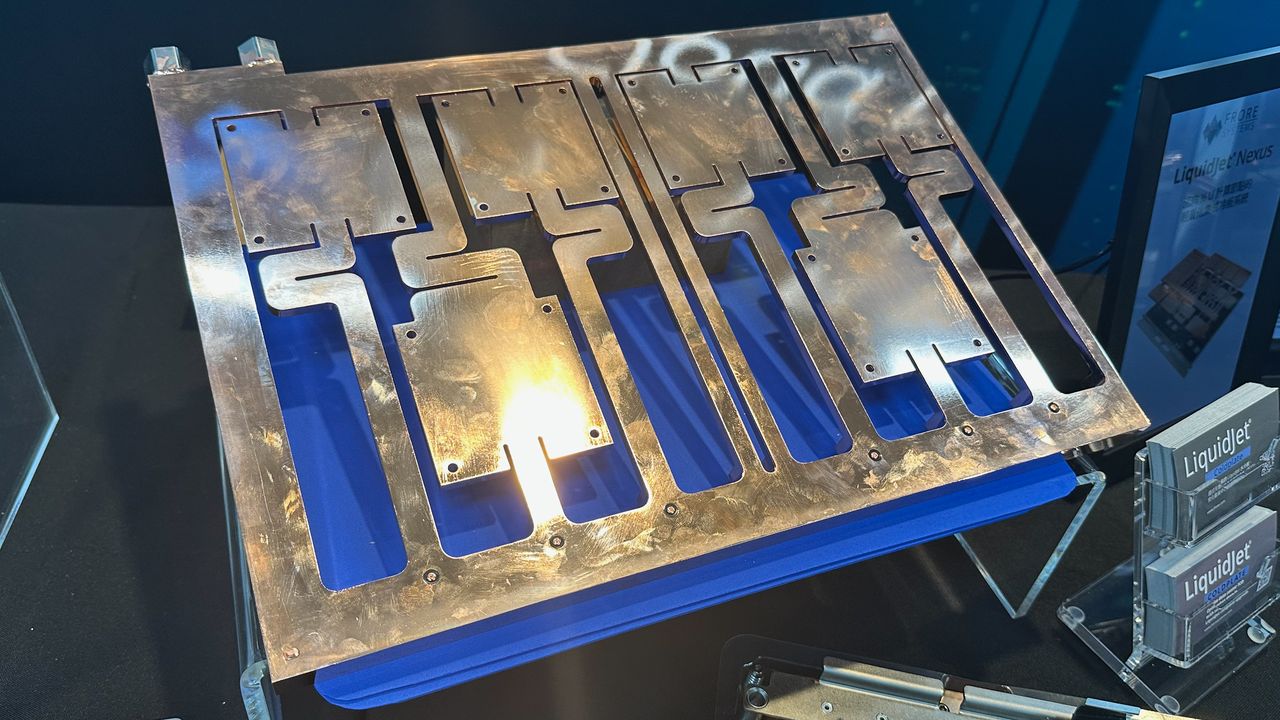
Frore Systems ha alzato l’asticella nella sfida termica che attanaglia i data center AI: la sua tecnicia LiquidJet, dichiara, può abbattere di 10°C la temperatura operativa delle future GPU Nvidia Rubin e, di conseguenza, innalzare le prestazioni del 15%. La notizia non è solo un traguardo di laboratorio. Arriva mentre hyperscaler e grandi fornitori cloud valutano seriamente l’adozione di GPU prive di coperchio termico integrato (delidded) negli ambienti di produzione, una pratica che finora è rimasta confinata all’overclocking estremo o ai test di laboratorio.
Il passaggio al raffreddamento diretto del die non è un dettaglio minore. Le GPU di fascia enterprise per LLM — come le attuali H100 e le future Rubin — stanno raggiungendo densità di potenza che rendono obsoleti i dissipatori tradizionali. Aumentare il throughput di inference e la stabilità dei cluster significa dover gestire non solo il picco termico, ma anche la costanza del carico su finestre di ore o giorni. Un abbassamento di 10°C, se confermato sul campo, può tradursi in un tangibile aumento dei token al secondo erogabili senza throttling e in un allungamento della vita utile dell’hardware.
Qui si intravede una traiettoria chiara. L’adozione da parte degli hyperscaler — che dettano i volumi e gli standard de facto — ha il potere di spingere tecnicie come il LiquidJet fuori dalla nicchia e verso la produzione di massa. Se le soluzioni a getto liquido diventano opzione standard nei nodi cloud di nuova generazione, il loro costo unitario scende e la maturità del sistema cresce. Per chi gestisce deployment on-premise di LLM, in regime di sovranità dei dati o in ambienti air-gapped, questa evoluzione è cruciale: riduce il rischio tecnicico e rende raggiungibili livelli di raffreddamento prima impensabili senza dover progettare da zero un impianto a liquido custom.
Il rovescio della medaglia è che il raffreddamento avanzato alza anche l’asticella della complessità. Un’infrastruttura on-premise che punti a performance vicine a quelle cloud dovrà integrare manutenzione del circuito idraulico, prevenzione perdite, sensoristica e backup di pompe. La voce OpEx non si limita più all’elettricità dei rack, ma abbraccia la gestione del fluido dielettrico e la manutenzione predittiva.
Ciononostante, il segnale strutturale è potente: la strada del raffreddamento diretto non è un’opzione esotica, ma la prossima normalità. Chi oggi pianifica cluster di inference per fine-tuning o esecuzione locale di LLM su larga scala dovrebbe considerare che il TCO dei prossimi anni sarà modellato non solo dal costo delle GPU, ma dalla capacità di estrarne tutto il potenziale senza colli di bottiglia termici. E questo sposta l’attenzione verso soluzioni di raffreddamento attivo che, come il LiquidJet, promettono salti di efficienza significativi rispetto alle camere di vapore o ai tradizionali dissipatori aria-liquido.
La mossa di Frore non è isolata: l’intero ecosistema è alla ricerca di un modo per domare l’energia crescente dei chip dedicati all’AI. Se le promesse si traducono in deployment reali, assisteremo a un rapido avvicinamento tra il mondo dei data center iperscalabili e gli ambienti on-premise più esigenti, dove la capacità di tenere basse le temperature è direttamente proporzionale al controllo sui dati e sulla latenza.





💬 Commenti (0)
🔒 Accedi o registrati per commentare gli articoli.
Nessun commento ancora. Sii il primo a commentare!