
The "Copper Crunch" and AI's Driving Force
The artificial intelligence sector is experiencing unprecedented expansion, fueled by the growing adoption of Large Language Models (LLM) and the continuous need for increased computing power. This surge in demand, however, is generating significant pressure on the supply chain for essential raw materials. Among these, copper emerges as a critical factor, with a shortage beginning to impact the costs of electronic components.
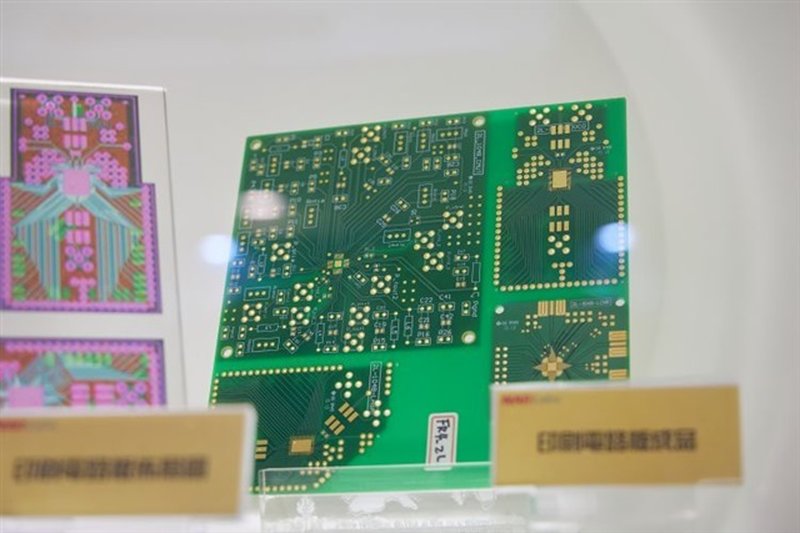
Copper is an irreplaceable conductor, fundamental for the production of printed circuit boards, cables, connectors, and heat sinks—all vital elements for high-performance hardware, including GPUs and AI-dedicated servers. Its scarcity, or the difficulty in meeting rapidly growing demand, directly translates into higher prices for component manufacturers, who in turn pass these costs down the chain.
Impact on AI Infrastructure and TCO
For companies investing in AI infrastructure, the increase in component costs represents a tangible challenge. Specifically, organizations opting for on-premise LLM deployments face a rise in CapEx (Capital Expenditure) for purchasing servers, GPUs, and cooling systems. This scenario further complicates the Total Cost of Ownership (TCO) analysis, a fundamental parameter for evaluating the economic sustainability of a self-hosted solution.
The availability and price of copper directly influence hardware suppliers' ability to produce and deliver necessary components. Increased costs can slow down infrastructure expansion or make high-performance configurations, such as those based on GPUs with high VRAM, less accessible—these are essential for training and Inference of complex LLMs. Strategic planning and budget management therefore become crucial for CTOs and infrastructure architects.
Context and Implications for On-Premise Deployment
The choice between an on-premise deployment and using cloud services for AI workloads is often driven by considerations related to data sovereignty, compliance, and direct control over the environment. However, fluctuations in raw material costs add another layer of complexity to this decision. While cloud costs are typically OpEx and can better absorb underlying hardware price variations, a self-hosted deployment directly exposes the organization to component market dynamics.
For those evaluating on-premise deployments, it is essential to consider these external factors. The ability to scale infrastructure, maintain granular control over resources, and ensure air-gapped environments for sensitive data must be balanced with a careful assessment of initial and operational costs. AI-RADAR offers analytical frameworks on /llm-onpremise to help evaluate these trade-offs, providing tools to understand the impact of market dynamics on overall TCO.
Future Outlook and Mitigation Strategies
The "copper crunch" is not just a temporary challenge but could indicate a long-term trend linked to the increasing demand for materials for electrification and digitalization. For the AI sector, this means that procurement strategy and infrastructure design will need to evolve. Companies may need to explore options such as optimizing the use of existing resources, adopting Quantization techniques to reduce memory requirements, or seeking suppliers with more resilient supply chains.
In a context of rising costs, energy efficiency and hardware longevity become even more important for maximizing return on investment. The ability to anticipate and mitigate the impact of raw material shortages will be a distinguishing factor for organizations aiming to build and maintain robust and sustainable AI infrastructures over time.










💬 Comments (0)
🔒 Log in or register to comment on articles.
No comments yet. Be the first to comment!