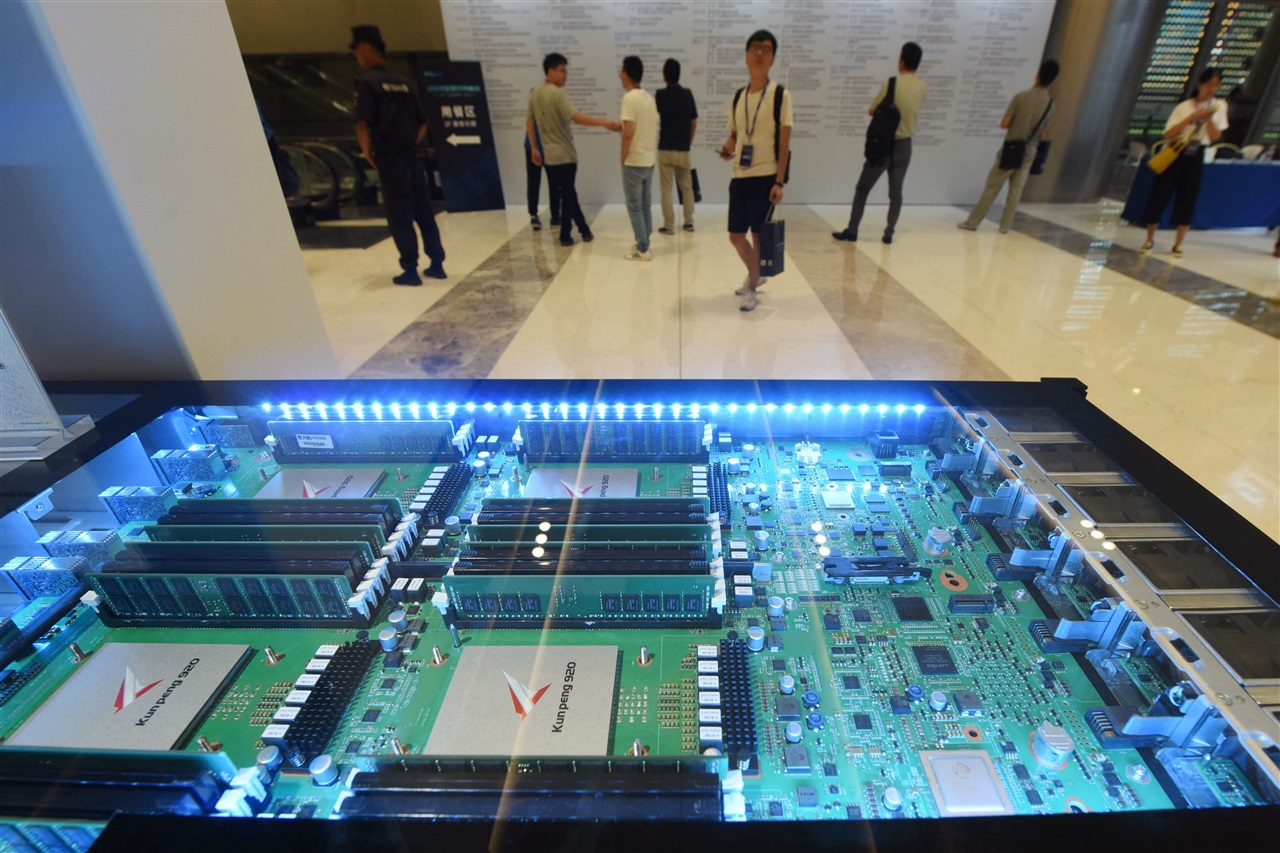
La spinta cinese verso l'autosufficienza nel silicio AI
Il panorama globale dell'intelligenza artificiale è in rapida evoluzione, influenzato non solo dagli sviluppi tecnicici ma anche da dinamiche geopolitiche complesse. Le recenti restrizioni all'export imposte dagli Stati Uniti hanno avuto un impatto diretto sulla capacità di aziende come Nvidia di operare liberamente nel mercato cinese. Questa situazione ha creato un vuoto significativo nell'offerta di hardware ad alte prestazioni, essenziale per lo sviluppo e il deployment di Large Language Models (LLM) e altre applicazioni di intelligenza artificiale.
In risposta a questo scenario, Pechino ha avviato una strategia accelerata per colmare questa lacuna, concentrandosi sullo sviluppo di soluzioni di silicio AI interamente domestiche. L'obiettivo è ridurre la dipendenza da fornitori esteri e garantire la continuità dello sviluppo tecnicico interno, un imperativo strategico per la sicurezza nazionale e la competitività economica a lungo termine.
La corsa alla produzione di acceleratori AI proprietari
La creazione di un ecosistema hardware AI competitivo richiede investimenti massicci in ricerca e sviluppo, dalla progettazione dei chip alla loro produzione. La sfida per la Cina consiste nel replicare e superare le capacità di aziende leader nel settore, in particolare per quanto riguarda le GPU e gli acceleratori dedicati all'AI. Questo include lo sviluppo di architetture di calcolo avanzate, la produzione di VRAM con elevata larghezza di banda e la creazione di interconnessioni ad alta velocità, elementi cruciali per l'efficienza dei carichi di lavoro di training e inference degli LLM.
Parallelamente allo sviluppo hardware, è fondamentale costruire un solido framework software che supporti questi nuovi chip. Un ecosistema software maturo, con strumenti di sviluppo, librerie e compilatori ottimizzati, è indispensabile per permettere agli sviluppatori di sfruttare appieno il potenziale del nuovo silicio. La mancanza di un'alternativa a piattaforme consolidate come CUDA rappresenta una delle sfide più ardue in questo percorso.
Implicazioni per il deployment on-premise e la sovranità dei dati
La strategia cinese di autosufficienza nel silicio AI ha profonde implicazioni per il deployment di soluzioni di intelligenza artificiale, in particolare per le architetture on-premise e self-hosted. L'adozione di hardware domestico consente alle organizzazioni di mantenere il pieno controllo sui propri dati e sulle proprie infrastrutture, un aspetto cruciale per la sovranità dei dati e la conformità normativa in ambienti sensibili o air-gapped.
Per CTO e architetti infrastrutturali, la disponibilità di alternative locali può influenzare significativamente le decisioni di investimento. Sebbene le soluzioni domestiche possano inizialmente presentare trade-off in termini di performance o maturità dell'ecosistema rispetto alle controparti globali, offrono vantaggi strategici in termini di stabilità della supply chain, personalizzazione e, soprattutto, controllo. L'analisi del TCO (Total Cost of Ownership) per queste soluzioni deve considerare non solo i costi iniziali, ma anche i benefici a lungo termine derivanti dalla riduzione della dipendenza esterna e dalla maggiore resilienza operativa.
Prospettive future e trade-off strategici
Il percorso verso l'autosufficienza tecnicica è lungo e complesso, ma la determinazione di Pechino è chiara. L'investimento in ricerca e sviluppo, unito a una politica industriale mirata, punta a creare un'alternativa valida nel mercato globale degli acceleratori AI. Questo scenario potrebbe portare a una maggiore frammentazione del mercato, con ecosistemi hardware e software distinti che coesistono.
Per le aziende che operano in contesti con stringenti requisiti di sovranità dei dati o che necessitano di deployment on-premise, l'emergere di fornitori di silicio AI locali potrebbe rappresentare un'opportunità per diversificare le proprie opzioni e mitigare i rischi legati alla supply chain globale. Tuttavia, sarà essenziale valutare attentamente i trade-off tra performance, maturità dell'ecosistema e i vantaggi strategici offerti dal controllo e dalla localizzazione. AI-RADAR continua a monitorare questi sviluppi, fornendo analisi sui framework analitici per valutare i trade-off nei deployment on-premise.









💬 Commenti (0)
🔒 Accedi o registrati per commentare gli articoli.
Nessun commento ancora. Sii il primo a commentare!